Do All Bearded Dragons Brumate? (And What to Expect When They Do)
Published on: March 19, 2026 | Last Updated: March 19, 2026
Written By: Beardie Joe
If your bearded dragon is suddenly sleeping more or eating less, you might be asking if brumation is starting and whether every dragon goes through it.
As a long-time owner of multiple bearded dragons, I have guided many through brumation and can help you understand this natural behavior with clear, caring advice.
We will look at which dragons typically brumate, the common signs to watch for, and how to keep your pet safe and healthy during this dormant phase.
What Is Brumation in Bearded Dragons?
Brumation is a period of dormancy or deep sleep that bearded dragons and other reptiles experience. It’s their version of hibernation, a natural state of inactivity triggered by seasonal changes. During brumation, you should monitor your dragon and maintain stable temperatures and humidity. For guidance on what to do during brumation, avoid waking them unless necessary, and consult a vet if you notice any concerning changes.
This process is very different from a mammal’s hibernation. A hibernating mammal enters a deep, continuous sleep with a significantly lowered body temperature. Your bearded dragon in brumation, however, will still wake up occasionally for a sip of water or to even shift positions before dozing off again. Their metabolism slows way down, but they don’t enter a complete, unresponsive torpor.
In the wild, this behavior is a survival strategy for the cooler, winter months when food and water become scarce. By slowing their bodies down, they conserve energy until warmer, more abundant seasons return.
In our homes, with consistent temperatures and lighting, this instinct can get confused. Captive care plays a huge role; some dragons will brumate like clockwork every year, while others in similar setups might skip it entirely. I’ve found it often depends on the individual dragon’s personality and internal rhythms.
Do All Bearded Dragons Experience Brumation?
This is one of the most common questions I get, and the simple answer is no. Not every bearded dragon will brumate. It’s not a mandatory part of their life cycle like shedding is. If your dragon does brumate, it usually lasts a few weeks to a couple of months. If it lasts longer than expected or you notice weight loss, lethargy, or dehydration, it’s time to worry and contact a vet. For more information, you can read about how long does brumation last.
Whether your dragon decides to take a long winter nap depends on a mix of factors including their species, age, sex, overall health, and the environmental conditions you provide.
In stable, consistently warm captive environments, many dragons see no need to brumate. I’ve cared for dragons that brumate for three months straight, others that take two-week naps, and a few energetic souls that have never shown a single sign in their lives. It keeps you on your toes!
Key Influencing Factors
- Age is a major player. Juvenile bearded dragons, those under a year to 18 months, very rarely brumate. They are in a crucial growth phase and need consistent energy from food. Brumation is far more common in healthy, mature adults.
- Sex matters due to hormonal influences. Male bearded dragons are generally more likely to enter a full brumation cycle than females. For females, their reproductive cycle and whether they are gravid (carrying eggs) can override or alter brumation behavior.
- Health and weight are non-negotiable prerequisites. A dragon must be in good body condition with adequate fat reserves to safely endure brumation. An underweight, sick, or parasite-ridden dragon should never be allowed to brumate, as their body cannot sustain the long fast. It’s a safety check I always perform with my own pets.
Recognizing the Signs of Brumation
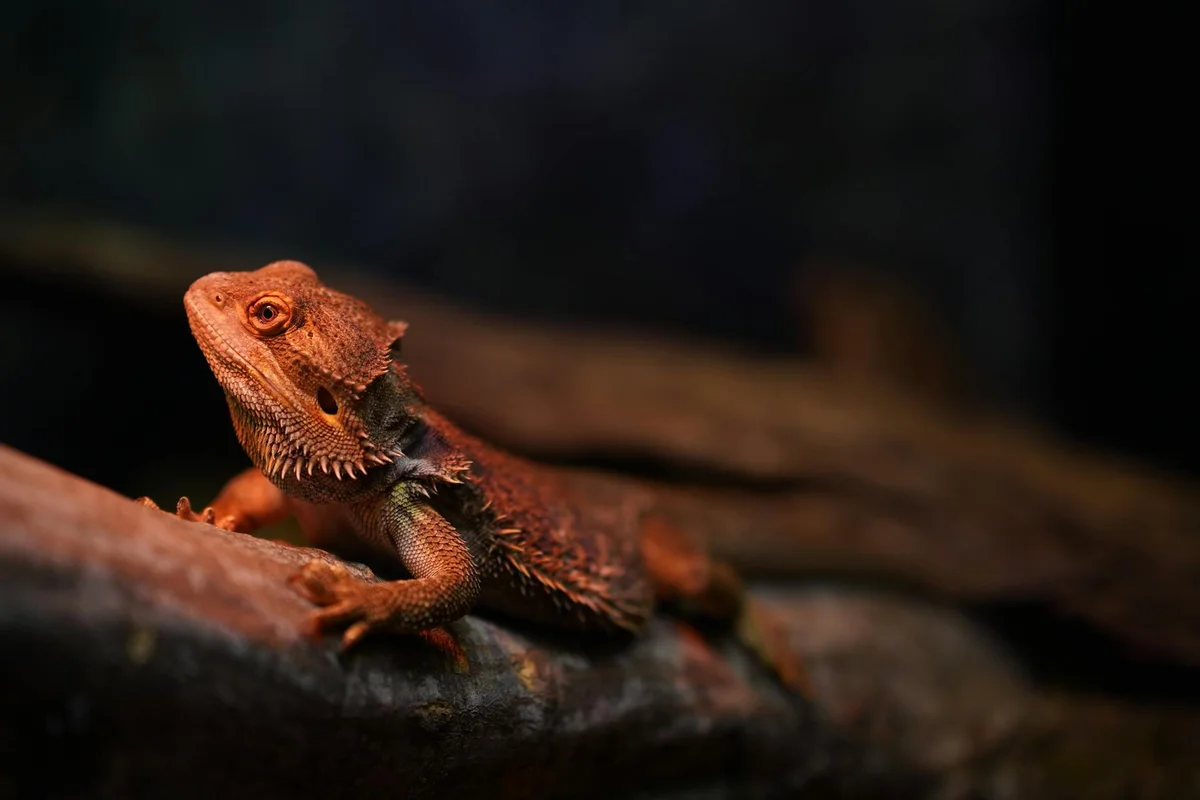
When your dragon starts to slow down, the signs can be subtle at first. One morning, you might notice they haven’t touched their breakfast salad. Or perhaps they’re spending more time in their favorite hide than basking under the heat lamp. Recognizing these early signals is your first step in providing the right care during this natural cycle.
From my own experience with my dragon, Tiberius, the shift was gradual. He went from being a voracious eater to politely ignoring his dubia roaches over about a week. His overall energy level dipped from “curiously exploring” to “contentedly observing.”
Common Brumation Signs
- Pronounced lethargy and sleeping for much longer periods
- A significant reduction in appetite, sometimes stopping eating entirely
- Seeking out and staying in dark, secluded hides for days
- General inactivity, with less climbing, glass surfing, or digging
Behavioral and Physical Changes
Your dragon’s entire metabolism is slowing down to conserve energy. You might see them burrow into the substrate or, like my girl Smaug, cram themselves into the coolest, darkest corner of their enclosure. This desire for a cool, dark spot is a classic instinct to find a safe place to rest through the winter.
A small amount of weight loss can be normal as their system empties before a long sleep. I make it a habit to weigh my dragons weekly when I suspect brumation is near. This helps me track any changes and ensures the weight loss stays within a healthy range.
Brumation vs. Illness: Telling the Difference
This is the question that causes the most worry for owners, and rightly so. The key difference lies in the presentation. Brumation is a planned, slow-down process. Illness, on the other hand, often feels sudden and is accompanied by distressing symptoms.
Think of it this way: a brumating dragon is like a person peacefully napping. A sick dragon is a person in clear distress. Trust your gut; you know your pet’s normal behavior better than anyone. If something feels off, it probably is.
Red Flags That Signal Illness, Not Brumation
- Labored, wheezing, or open-mouth breathing
- Mucus or discharge from the eyes, nose, or mouth
- Extreme, rapid weight loss or a visibly sunken body
- Runny, unusually smelly, or discolored stools
- Lethargy that is combined with signs of weakness or inability to move properly
If you observe any of these red flags, it’s time to consult your veterinarian. Don’t wait. It is always better to err on the side of caution and get a professional opinion than to assume it’s just brumation and risk your dragon’s health. A quick vet visit can provide immense peace of mind and ensure your scaly friend gets the care they need. Regular vet checkups are a key part of bearded dragon care. A practical guide can help you know when to go, what counts as an emergency, and how to respond.
What to Expect During the Brumation Period
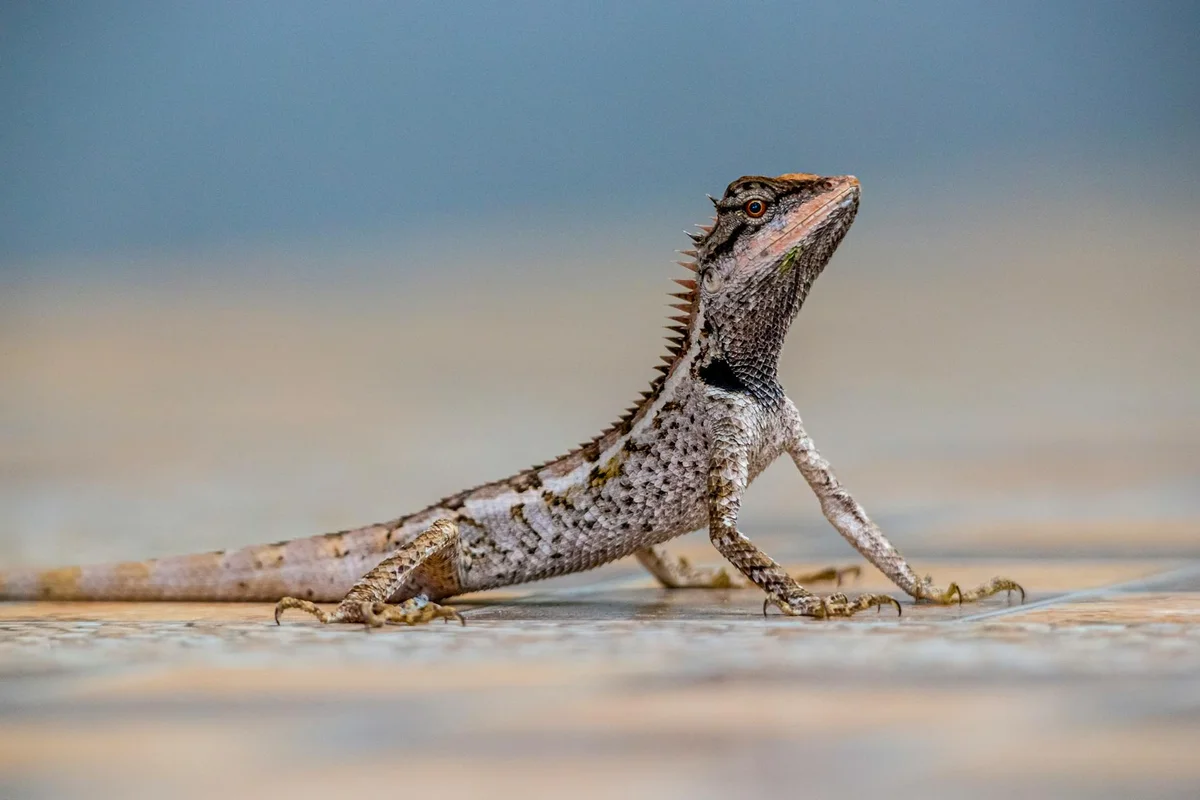
When your bearded dragon begins to brumate, their behavior shifts dramatically. You’ll likely notice them sleeping more, hiding constantly, and showing zero interest in food. In winter, you may also see them become less active and eat even less. This is their body’s natural way of conserving energy for the colder months, even in our climate-controlled homes. Understanding this can help explain why bearded dragon winter brumation behavior changes are common and distinguish brumation from illness.
Timeline and Seasonal Cues
In the wild, brumation aligns with the Southern Hemisphere’s winter, typically from late fall to early spring. In captivity, you might see signs starting anywhere from June to August and lasting until September or October. During brumation, bearded dragons may sleep for longer hours as their metabolism slows. Baby dragons often have different sleep patterns and shorter rest periods than adults. My oldest dragon, Spike, always gets sleepy right around the Fourth of July, like clockwork.
Their internal rhythm is triggered by environmental changes. Even with consistent indoor lighting, the subtle drop in ambient home temperatures and slightly shorter days can be enough of a signal. I’ve found that dragons near a window are often the first to feel these seasonal shifts.
Setting expectations is key for a new owner. You need to monitor them without hovering, and have immense patience as this slow-motion process unfolds over weeks or even months. It’s a test of your observation skills more than your active care.
How to Care for Your Bearded Dragon During Brumation
Caring for a brumating dragon is less about doing and more about not interfering. Your primary role shifts to being a gentle guardian, ensuring their environment supports this deep rest. Think of it as creating a safe, quiet retreat for them.
Husbandry Adjustments
You will need to make some key changes to their habitat to support this dormant state.
- Gradually reduce their basking lamp hours until you’re providing only ambient room lighting.
- Turn off their primary heat lamps, but ensure the room temperature doesn’t drop below 60°F (15°C).
- Provide a comfortable, dark hide where they can sleep undisturbed.
Hydration is still important, but their needs are minimal.
- Offer a shallow lukewarm bath once every two to three weeks to allow for passive drinking and hydration through their vent.
- Gently mist their nose with water once a week; if they are thirsty, they may lick the droplets.
Feeding and Fasting
Their digestive system essentially shuts down during deep sleep. It is critical to stop offering food once they have fully entered brumation and are no longer awake or active. Food sitting in their gut can rot and cause a fatal impaction.
The preparation happens beforehand. About a month before you suspect brumation will start, offer their favorite, nutrient-rich foods to help them build fat reserves. I always make sure my dragons get plenty of healthy greens and well-gut-loaded insects during this pre-brumation period.
During their sleep, your main job is safety.
- Weigh them every one to two weeks using a small digital scale to ensure they aren’t losing weight too rapidly.
- Do brief visual health checks for sunken eyes or signs of illness when they briefly stir.
- Keep their enclosure in a low-traffic part of your home to minimize stress from noise and vibration.
Troubleshooting Common Brumation Issues
Watching your dragon sleep for weeks can be nerve-wracking, especially when things seem off. Trust your gut feeling as a pet owner; it’s usually your first clue that something needs attention. If you’re worried, bearded dragons may sleep more when stressed or unsettled, so extra rest can signal that their environment or care needs a closer look. Persistent sleepiness should prompt a quick check of temperature, UVB lighting, and diet, and a consult with a reptile-savvy vet if concerns persist.
Addressing Weight Loss and Dehydration
A small amount of weight loss is normal, but dramatic changes are a red flag.
- Excessive Weight Loss: Weigh your dragon every 1-2 weeks. If they lose more than 10% of their body weight, it’s time to intervene.
- Dehydration: Look for sunken eyes, loose or wrinkly skin, and a loss of skin elasticity.
Practical Solutions and Vet Care
You can often solve minor issues with simple adjustments to their care.
- For mild dehydration, offer water via a syringe or dropper. A warm, shallow bath can also encourage drinking.
- If weight loss is significant, gently wake your dragon and offer a small, easy-to-digest meal like squash baby food.
- If problems persist after your interventions, do not hesitate to seek professional veterinary care immediately. It’s better to be safe and get a fecal test to rule out parasites.
My Experience with a Troublesome Brumation
One of my older males, Gandalf, once lost too much weight too quickly. I woke him for a vet visit, and it turned out he had a minor parasite load that was sapping his energy. A simple course of medication and some critical care slurry got him back on track, sleeping soundly and safely. It was a powerful reminder that brumation can sometimes mask other health problems.
Health Monitoring
Vigilant observation is your most powerful tool during this dormant period.
Signs of Dehydration and Rehydration Steps
- Signs: Sunken eyes, wrinkled skin, thick, stringy saliva.
- Steps for Rehydration:
- Offer water directly from a dropper, placing a drop on the snout.
- Provide a 10-15 minute lukewarm bath to encourage soaking.
- Mist their greens heavily if they wake up for a snack.
Consistent, gentle rehydration efforts can make a world of difference to their overall health during this vulnerable time.
When Brumation Signals Underlying Issues
Sometimes, what looks like brumation is actually sickness. Be concerned if you see:
- Labored breathing or wheezing.
- Runny or discolored stools.
- Lethargy that occurs outside of the typical fall/winter season.
A true, healthy brumation should not leave your dragon weak or emaciated. If it does, an underlying issue is likely the cause.
Special Considerations for Brumation

Not all bearded dragons experience brumation the same way. Their age, sex, and individual history all play a part. Seasonal timing often influences whether brumation occurs, and when it starts can vary by individual. This leads to common questions like when do bearded dragons brumate and what seasonal cues trigger it.
Variations by Age and Sex
- Juveniles (<1 year): Rarely brumate. If a very young dragon becomes lethargic, it’s more likely a husbandry or health issue.
- Older Dragons: May brumate for longer periods, sometimes up to four months. Their health needs to be monitored even more closely.
- Breeding Females: I never let my gravid females go into a full brumation. Their bodies need consistent energy and calcium to develop healthy eggs, and brumation can dangerously deplete their reserves.
Caring for Non-Brumating Dragons
What if your dragon just… doesn’t brumate? That’s perfectly normal too!
- Many captive bearded dragons, especially those kept with consistent light and heat cycles, skip brumation entirely.
- Continue their normal routine of feeding, handling, and habitat maintenance.
- Enjoy the extra interaction time! There is no need to try and force them to sleep.
Should You Induce Brumation?
The short answer is no. Forcing a brumation cycle is an unnecessary stress on an animal that does not need it for survival in captivity. It is a natural process that should be initiated by the dragon itself. My philosophy is to support their natural rhythms, not control them. Providing the right environmental cues is enough; the choice to sleep is ultimately theirs. For more information on their natural sleep patterns, understand when they prefer to rest during the day and night.
Frequently Asked Questions
How long does brumation typically last in bearded dragons?
Brumation can last from a few weeks to several months, with many adults sleeping for 2-4 months, though duration varies by individual and environmental cues.
Is it safe to handle my bearded dragon while they are brumating?
It’s best to avoid handling during deep brumation to prevent stress; only interact briefly for essential health checks or hydration if they wake naturally.
What should I do when my bearded dragon wakes up from brumation?
Gradually reintroduce normal lighting and heating, offer small, easy-to-digest meals like soft greens or insects, and monitor their appetite and weight as they readjust.
Final Thoughts
So, do all bearded dragons brumate? No, they don’t. Brumation is a highly individual behavior, not a guaranteed checklist item for every dragon. Some will sleep for months, others for weeks, and many may skip it entirely without any issue. From my own experience, seeing one dragon brumate while another in the very same tank stays active is completely normal. It’s important to understand what brumation is and whether it’s normal or potentially harmful before drawing any conclusions.
Your main job is to be a supportive observer. Trust your gut and focus on providing a safe, quiet, and monitored environment, whether your dragon is awake or asleep. You know your pet best, and paying close attention to their unique rhythm is the kindest thing you can do.
Further Reading & Sources
- r/BeardedDragons on Reddit: First time brumating, i’m so scared
- Bearded dragon brumation – how to identify and deal with it
- Bearded Dragons and Brumation | What to Do – Zen Habitats
Bearded Dragon Lair is the ultimate resource for bearded dragon enthusiasts, offering expert advice and practical tips to ensure the health and happiness of your scaly companion. With years of experience in reptile care, we are dedicated to providing accurate, up-to-date information to support your bearded dragon journey.
Temperature Control Devices