
Why Is My Bearded Dragon Breathing Heavily?
Noticing your bearded dragon breathing heavily can be a genuinely alarming sight for any pet owner.
As a long-time beardie keeper, I’ve been in your shoes, and I’m here to help you figure out what’s going on with your scaly friend.
We’ll cover the common reasons, from simple temperature issues to more serious health concerns, and give you clear signs for when a vet visit is needed.
Understanding Normal Bearded Dragon Breathing
When your bearded dragon is resting, their breathing should be almost invisible-slow, gentle, and silent. You should really have to watch closely to even see their chest move. I often see my own dragons looking so still and peaceful you’d think they were statues. If you notice that your dragon is not as active as it should be, it might be worth investigating further.
After a burst of activity, like chasing a cricket or exploring a new part of the room, it’s perfectly normal for them to pant. This panting is their way of cooling down and should subside within a few minutes once they’ve rested. Think of it like how you might breathe heavily after a quick sprint.
Distinguishing between this normal panting and a problem can be tricky. A key sign of healthy respiration is that it’s quiet and doesn’t involve the whole body. Early signs of labored breathing, or dyspnea, include a persistent puffing of the throat or chin, using their entire abdominal muscles to push air out, and you might even hear a faint clicking or wheezing sound with each breath.
Common Causes of Heavy Breathing in Bearded Dragons
Respiratory Infections and Pneumonia
This is one of the most serious causes I’ve encountered. A respiratory infection is more than just a simple cold for a reptile. Look for a stringy mucus in their mouth or nostrils, and listen carefully for any wheezing or popping sounds when they breathe. You might also see them consistently breathing with their mouth open, which is a major red flag.
These infections often stem from improper enclosure conditions. Consistently high humidity and incorrect temperatures create a breeding ground for the bacteria that cause pneumonia. Your dragon’s habitat needs the right balance to keep their respiratory system healthy and strong.
Environmental Stressors: Overheating and Humidity
Your dragon relies on you to create the perfect sunny spot and cool retreat. If the basking lamp is too close or too powerful, your dragon can overheat rapidly, leading to intense, open-mouthed panting as they try to cool down. I always double-check my lamp distances with a reliable thermometer.
The other side of the coin is humidity. Bearded dragons are desert animals. High humidity makes it physically harder for them to breathe and can quickly lead to respiratory distress. It feels thick and heavy to their lungs, much like it does for us on a muggy summer day. Digging can be a healthy way for them to regulate temperature and find a comfortable hideout. If your dragon digs in a well-ventilated, properly humid enclosure, that’s usually a sign of good health; sudden changes in digging behavior could signal humidity-related stress or other issues.
Physical Health Issues: Impaction and Metabolic Bone Disease
Impaction, or a blockage in the gut, is a scary situation. A mass of undigested food can put upward pressure on the lungs, making it difficult for your dragon to take a full, deep breath. You’ll often see this heavy breathing paired with a lack of appetite and no bowel movements.
Metabolic Bone Disease (MBD) weakens their entire skeletal structure. This weakness can extend to the muscles used for breathing, making the simple act of respiration a laborious task. Proper calcium and UVB lighting are non-negotiable for preventing this painful condition.
Behavioral and Stress-Related Causes
Bearded dragons can get stressed just like we do. Common triggers include excessive handling, seeing another dragon (even in a separate tank), loud noises from a TV, or even a quick-moving pet like a cat. I had to rearrange a room once because my dragon was constantly stressed by her own reflection in a glass door. Stress can be harmful to their health, so it’s important to recognize the signs early.
This stress triggers a “fight or flight” response. Heavy, rapid breathing is a direct physical manifestation of that anxiety as their body prepares for action. The good news is that once the stressor is removed, their breathing should return to its calm, normal rhythm fairly quickly.
Recognizing Signs of Respiratory Distress
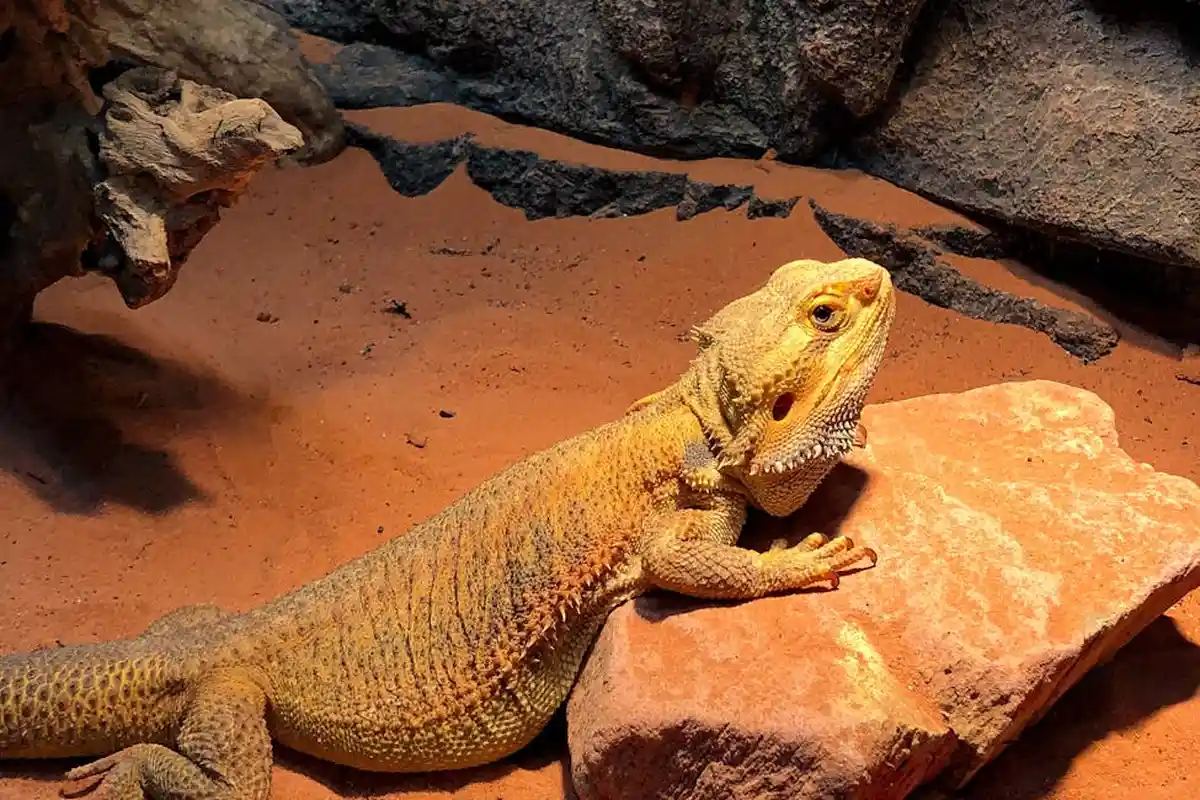
When my bearded dragon, Smaug, started breathing with his mouth slightly open after a sprint across the living room, I knew it was normal post-exercise panting. But when it continued for over ten minutes while he was just sitting still, my caretaker instincts kicked in. Heavy breathing becomes a real concern when it’s persistent and happens during periods of rest. If your bearded dragon also shows lethargy, it’s natural to wonder why and what to worry about. Common causes include dehydration, improper heating, or illness, which is why monitoring and seeking veterinary advice is important.
You need to become a detective for a moment. Look and listen closely for these specific signs that separate simple heavy breathing from a potential respiratory infection.
- Persistent Open-Mouth Breathing: This is a major red flag. A healthy beardie might gape briefly to regulate temperature, but doing it constantly, especially in a cool part of the tank, signals labored breathing.
- Wheezing or Clicking Sounds: Put your ear near your dragon. A quiet, subtle wheeze or a clicking sound with each breath is not normal. I’ve heard this sound once before, and it’s unmistakably concerning.
- Bubbles from Nostrils or Mouth: Notice any small bubbles around the nose? This isn’t from water. These mucoid bubbles are a classic symptom of a respiratory infection and require immediate attention.
- Audible Hissing or Gurgling: While hissing can be a defensive behavior, a wet-sounding, gurgling hiss that occurs during breathing is different. It suggests fluid in the airways.
- Lethargy and Loss of Appetite: Is your normally active dragon now sluggish and refusing food? A sick beardie will often show a dramatic drop in energy and interest in eating.
- Extended Neck and Head Tilting: Watch their posture. A dragon in respiratory distress will often stretch its neck out long and straight and may even tilt its head back, trying to open its airway more fully.
Immediate Home Care and Diagnosis Steps
Before you panic, there are several things you can check right at home. Your first job is to play habitat detective, as the problem often lies in the enclosure’s conditions. I always start here because it’s the most common cause and the easiest to fix.
Follow these steps to assess the situation and provide initial care.
-
Check the Enclosure Temperature
Grab your digital thermometers. You need one for the warm basking spot and one for the cool side. The basking surface temperature should be between 95-110°F for adults. If it’s too cold, their metabolism slows and they can’t fight off illness. If it’s too hot, they can overheat and pant excessively. Adjust your heat lamp accordingly.
-
Measure the Humidity Level
This is a big one. Use a digital hygrometer. Bearded dragons need low humidity, ideally between 30-40%. This is exactly what a bearded dragon humidity guide covers—identifying the ideal levels and how to maintain them. Regular checks and proper ventilation are key to keeping humidity in that range. High humidity is a breeding ground for the bacteria that cause respiratory infections. If it’s too high, improve ventilation and make sure their water bowl isn’t too large or placed directly under the heat lamp.
-
Assess the Enclosure Cleanliness
Take a deep breath and smell the tank. Does it smell foul or musty? Look for spilled food, old feces, or damp substrate. A dirty tank is a stressful, germ-filled environment. Do a spot clean immediately and plan for a full, deep clean.
-
Observe for Additional Symptoms
Now, just watch your dragon for 15 minutes. Look beyond the breathing. Are their eyes sunken? Is their skin looking dull? Can you hear any of those clicking sounds we talked about? Take notes or a short video to show a vet if needed, especially if you’re wondering when to take your bearded dragon to the vet.
-
Provide Hydration Support
Offer water by gently dripping it on their snout with a syringe (no needle). You can also give them a warm bath. Proper hydration can sometimes loosen mild mucus and make breathing a little easier. Never force them to drink, though.
-
Reduce Stress Immediately
Cover three sides of the tank with a towel or background to make them feel more secure. Turn off any loud music or TVs nearby. Minimize handling and foot traffic around their space. A calm dragon has a better chance of recovering.
When to Seek Emergency Veterinary Care
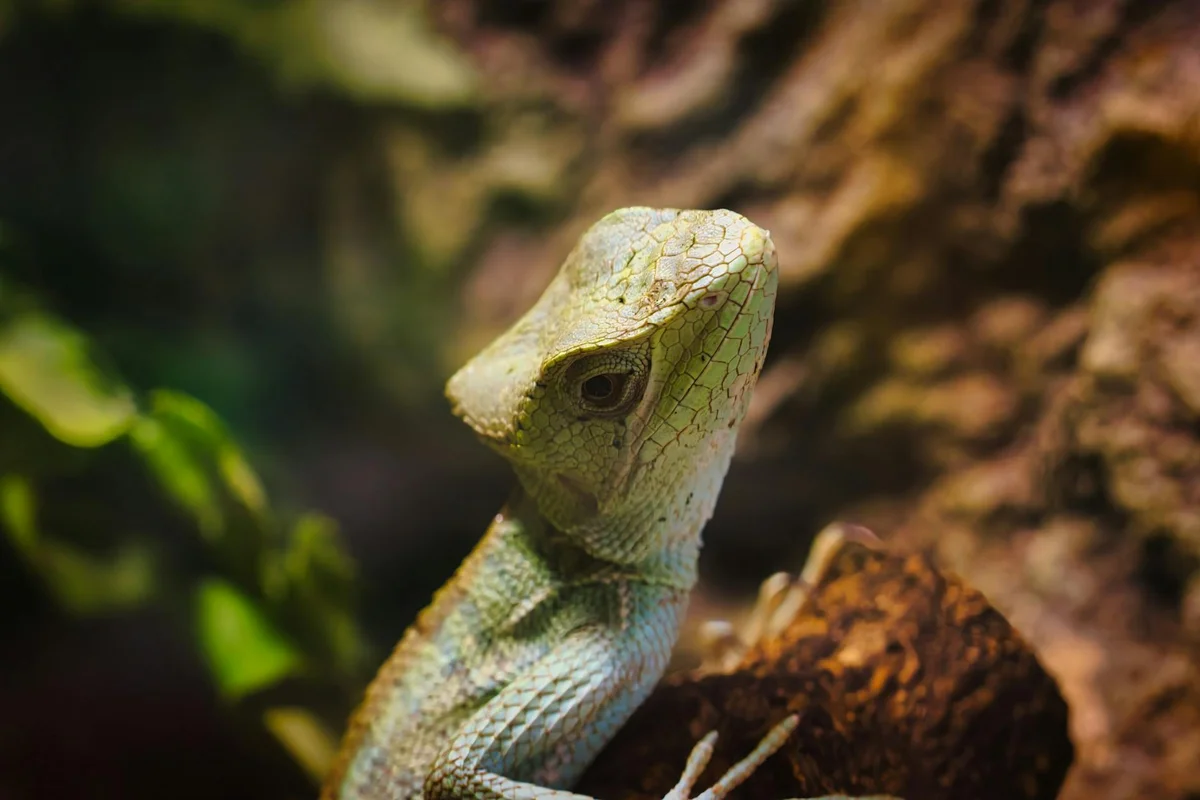
Watching your bearded dragon struggle to breathe is a truly frightening experience. I’ve been there, and that feeling of panic is real. Some breathing issues are true emergencies, and knowing the red flags can save your dragon’s life. If my bearded dragon starts choking, I know to spot the signs quickly. Spot signs include gurgling, open-mouth breathing, and frantic throat movements.
You need to get to an emergency reptile vet immediately if you see any of these critical signs:
- A blue or purple tinge to their tongue, mouth, or gums. This signals a severe lack of oxygen.
- Extreme lethargy where they cannot lift their body or hold their head up.
- No improvement or rapid worsening after a few hours of simple home care, like warming their habitat.
- Open-mouth breathing that is constant and labored, especially if paired with a crackling or wheezing sound you can hear.
- They are completely uninterested in food and water for more than a day while showing these symptoms.
These symptoms often point to serious conditions like pneumonia or a severe respiratory infection. Respiratory infections can escalate dangerously fast in reptiles, and time is absolutely critical for a positive outcome. Don’t wait to see if they improve overnight.
Before you rush out the door, take two minutes to prepare for the vet. This helps them help your dragon faster.
- Note the exact symptoms and when they started.
- Remember the last time they ate, drank, and passed stool.
- Know your tank’s recent temperatures (basking and cool side) and humidity levels.
- Take a clear photo or short video of the heavy breathing to show the vet, as dragons often hide symptoms in a new environment.
Veterinary Diagnosis and Treatment Options
Once you’re at the vet, they will work to find the root cause of the breathing trouble. A proper diagnosis is the first step to getting your scaly friend back to their healthy, happy self.
Your vet will likely perform a physical exam and may recommend one or more of these common diagnostic tests:
- X-rays (Radiographs): This is the most common tool. It lets the vet see inside the lungs for signs of infection, fluid, or other abnormalities.
- Respiratory Culture and Sensitivity: If an infection is suspected, the vet may take a swab from the mouth or throat. This test identifies the specific bacteria or fungus causing the problem and determines which medication will work best.
- Blood Tests: These can check for underlying issues like organ function or signs of a systemic infection.
Based on the findings, your vet will prescribe a treatment plan. Here’s what that often looks like:
- For Bacterial Infections: A course of injectable or oral antibiotics is standard. You must complete the entire course, even if your dragon seems better.
- For Dehydration or Weakness: The vet may provide fluids, either through an injection under the skin or directly into the bloodstream. This supportive care gives them the strength to fight the illness.
- For Severe Cases: Hospitalization might be needed for assisted feeding, oxygen therapy, or more frequent medication and fluid administration.
Your job isn’t over when you leave the clinic. Follow-up care at home is just as important as the vet visit itself. Ensure their enclosure is perfectly clean and at the ideal warm temperature to support recovery. Give all medications exactly as directed and monitor their breathing, appetite, and energy levels closely. You will likely need a follow-up appointment to ensure the treatment worked and your dragon is fully in the clear. Bearded dragons especially benefit from following a Thrive Complete Care Checklist to ensure every care aspect is covered. It helps you keep track of feeding, lighting, enclosure hygiene, and routine vet checks to help them thrive.
Preventing Heavy Breathing and Promoting Health
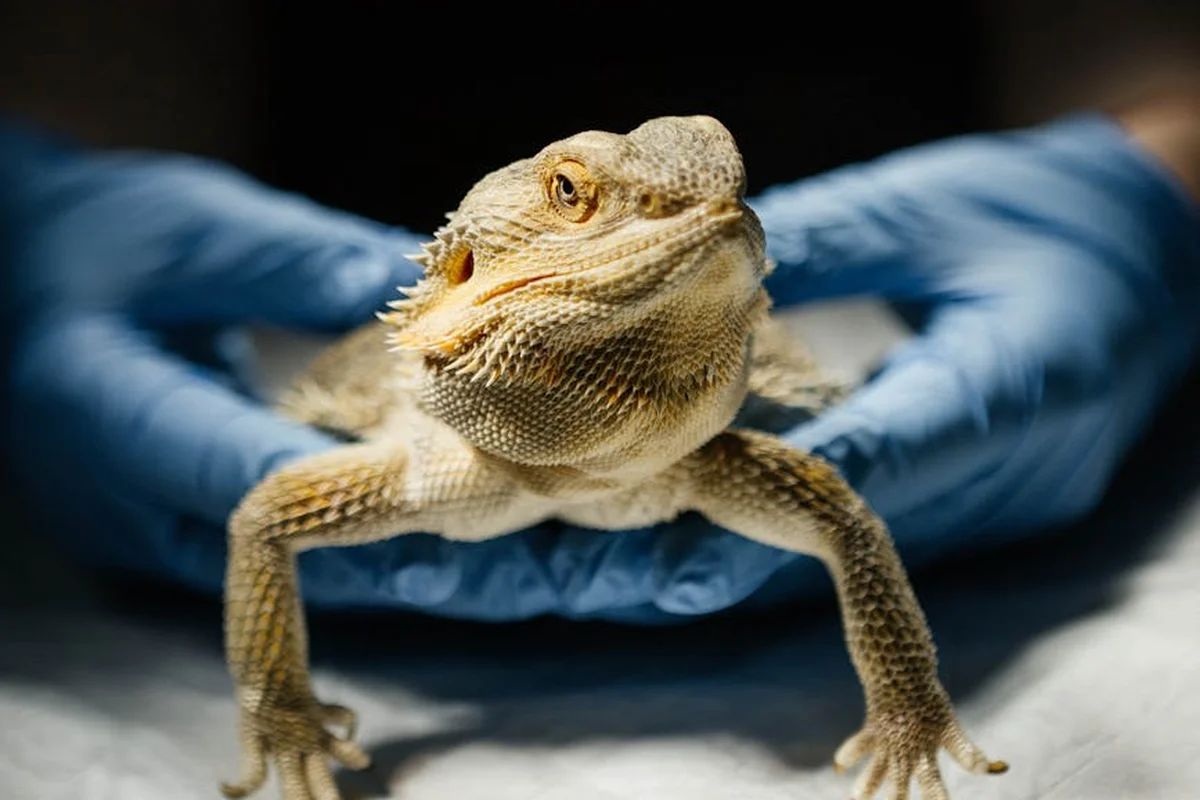
Seeing your bearded dragon breathe heavily can be unsettling. The best medicine is almost always a proactive approach to their habitat and care. I’ve found that focusing on these core areas creates a foundation for a long, healthy, and wheeze-free life. Stay alert for signs of respiratory infection—wheezing, mucus, or mouth-breathing—and consult a reptile veterinarian if you notice them. Keeping up with proper lighting, humidity, and nutrition also helps prevent other common health issues.
Craft the Perfect Enclosure Environment
A proper setup is your first and most powerful line of defense. Getting the environment right prevents a huge number of health issues before they even start.
- Perfect the Heat Gradient: One side of the tank needs a warm basking spot (around 95-110°F for adults), while the other, cooler side should sit around 80-85°F. This temperature drop is non-negotiable. It lets your dragon regulate its body temperature, preventing overheating and the heavy breathing that comes with it.
- Provide a Superior Basking Spot: Use a high-quality, focused basking lamp. I always check the spot with a temperature gun for accuracy. Your beardie should be able to sit about 6-8 inches from the lamp and achieve a proper basking temperature without the entire tank becoming an oven.
- Control Humidity Diligently: Aim for a habitat humidity between 30% and 40%. I use a simple digital hygrometer to keep track. High humidity can lead to respiratory infections, while air that’s too dry can also cause irritation. A shallow water dish provides a minor humidity boost, but good ventilation is key.
Fuel Their Body with a Strong Diet
What goes into your dragon directly impacts the health of every system in their body, including their respiratory system.
- Offer a Balanced, Age-Appropriate Menu: Juvenile dragons need more protein, so their diet should be about 80% live insects (like dubia roaches or crickets) and 20% fresh greens. For adults, flip that ratio to 80% veggies and 20% insects to prevent obesity.
- Never Skip Calcium Supplementation: This is a hill I will die on. Metabolic Bone Disease (MBD) weakens the entire skeletal structure, including the bones involved in breathing. Lightly dust their insect meals with a pure calcium powder (without Vitamin D3) at almost every feeding, and use a calcium with D3 powder a couple of times a month. A weak rib cage cannot support normal lung expansion.
- Ensure Proper Hydration: Many bearded dragons won’t drink from a standing water bowl. I encourage drinking by gently misting their snout with water or offering water-dense veggies like bell peppers and cucumber.
Establish a Routine of Care and Observation
Your daily and weekly habits are what catch small issues before they become big, scary problems.
- Perform Weekly Mini-Checkups: Once a week, I gently handle each of my dragons for a quick health inspection. I look for clear eyes, check their body weight by feel, and ensure their skin is supple. This familiarizes you with what’s normal for them, making any deviation obvious.
- Minimize Environmental Stressors: Place the enclosure in a quiet, low-traffic part of your home. Avoid loud noises and sudden movements near the tank. If you have other pets, especially cats or dogs, make sure they cannot constantly stare at or access the enclosure, as this is hugely stressful for a beardie.
- Maintain Impeccable Cleanliness: Spot clean feces and uneaten food daily. A dirty tank breeds bacteria and ammonia, which are prime culprits for respiratory distress. Do a full, deep-clean of the entire enclosure with a reptile-safe disinfectant once a month.
Frequently Asked Questions
How long should it take for my bearded dragon’s breathing to return to normal after a stressful event?
Once the stressor is removed, their breathing should calm down and return to its normal, gentle rhythm within 10 to 15 minutes. If the heavy breathing persists long after the stressful event has ended, it may indicate an underlying health issue.
My dragon’s tank temperature is correct, but it’s still panting. What else could it be?
Even with correct air temperatures, the basking surface itself could be too hot, causing them to overheat from below. It’s also possible they are experiencing stress from something in their environment, like a reflection, another pet, or loud noises, which can trigger a heavy breathing response.
Can dehydration cause my bearded dragon to breathe heavily?
Yes, dehydration can contribute to respiratory distress by causing mucus to thicken, making it harder to breathe. Offering a warm bath or gently dripping water on their snout can help with mild hydration issues and may ease breathing.
Final Thoughts
Seeing your bearded dragon breathing heavily can be startling, but now you know it’s not always a crisis. From a simple post-bath chill to the intense focus of hunting, many heavy breathing episodes are perfectly normal and pass quickly. I’ve learned to watch my own dragons and assess the whole situation before I worry. It’s also important to recognize the critical warning signs that something could be seriously wrong. If you notice persistent heavy breathing along with lethargy, appetite loss, or color changes, seek veterinary help right away.
The moment you see other symptoms-like lethargy, a gaping mouth without heat, or any unusual sounds-it’s time to stop guessing and call your reptile vet. Trusting your instincts as a caring owner is the best thing you can do for your scaly friend’s health and your own peace of mind.
Further Reading & Sources
- Expert Answers: Why Your Juvenile Bearded Dragon is Taking Big Heavy Breaths
- Is my bearded dragon okay with heavy breathing?
- heavy breathing | Bearded Dragon Forum
Bearded Dragon Lair is the ultimate resource for bearded dragon enthusiasts, offering expert advice and practical tips to ensure the health and happiness of your scaly companion. With years of experience in reptile care, we are dedicated to providing accurate, up-to-date information to support your bearded dragon journey.
Signs of Illness