Why Is My Bearded Dragon Not Moving? (Or Moving Too Much?)
If you’ve ever stared into your bearded dragon’s enclosure, heart sinking because they’re either a statue or a blur of frantic energy, I’ve been there too.
With years of hands-on experience caring for my own dragons, I’ll help you decode their behavior and ensure their health and happiness.
We’ll cover everything from tank temperatures and brumation to stress signals and immediate steps you can take to help your pet.
Understanding Normal Bearded Dragon Activity Levels
Figuring out what “normal” looks like for your scaly friend is the first step to spotting a problem. Their activity level changes a lot as they grow and with the seasons.
Typical Daily Movement for Baby Bearded Dragons
Baby beardies are little live wires. They are almost constantly on the move, driven by a fast metabolism and a huge appetite for growth.
- Frequent, rapid bursts of energy across the enclosure.
- Constantly hunting and chasing feeder insects.
- Digging and exploring every corner of their habitat.
- Glass surfing is common as they test their boundaries.
A baby bearded dragon that sits still for hours on end is a much bigger cause for concern than one that’s always busy. From my own experience raising hatchlings, their non-stop antics are completely normal, if not a little exhausting to watch! If you’re new to this, our care guide for neonatal hatchlings can help you understand what signs to look for.
Normal Activity for Juvenile and Adult Bearded Dragons
As your dragon matures, it will naturally start to calm down. Think of them as transitioning from a hyper toddler to a laid-back teenager and finally a relaxed adult.
- Juveniles: Still quite active, especially around feeding time, but with more frequent basking breaks.
- Adults: Spend most of their day in a state of calm alertness. You’ll see them basking for long periods, moving slowly to find food or water, and then finding a comfortable spot to rest.
- They might have one or two active periods during the day, often in the morning to warm up and in the late afternoon.
A healthy adult bearded dragon is often a master of the art of doing absolutely nothing, and that’s perfectly okay. If they’re not as active as usual, check their environment and health. Active beardies should have a warm basking spot, proper UVB, and enrichment to encourage movement; if inactivity persists, consult a vet.
Seasonal Changes and Brumation Behavior
This is a big one that often worries new owners. Brumation is a reptile’s version of hibernation, and it’s a completely natural process for many adult bearded dragons.
- It typically occurs during the cooler, shorter days of fall and winter.
- Signs include sleeping for days or weeks at a time, burying themselves, and a dramatic loss of appetite.
- They might wake up for a drink of water or to shift positions, then go right back to sleep.
If your dragon is otherwise healthy and starts slowing down with the season, it’s likely just brumation and not a reason to panic. I’ve had dragons sleep for two months straight, only to wake up one sunny morning acting like nothing happened. If you’re considering waking them, do it safely and gradually—bright morning light and a warm basking spot can help. Offer water and food when they’re awake, and monitor for stress.
Common Causes for a Bearded Dragon Not Moving
When your dragon’s lack of movement isn’t normal or seasonal, it’s time to play detective. Here are the usual suspects.
Incorrect Habitat Temperature
Bearded dragons are solar-powered. If their tank is too cold, they simply can’t function properly. Their digestive systems shut down, and they become lethargic to conserve energy. At night, temperatures should stay warm too, as outlined in this article on bearded dragon tank temperatures. A tank that gets too cold overnight can stress them and slow their metabolism.
- Check your basking spot temperature with a digital probe thermometer; it should be between 95-110°F.
- The cool side of the tank should be around 80-85°F.
- Nighttime temperatures should not drop below 65-70°F.
A cold dragon is a still dragon, so always verify your temperatures first when you notice unusual lethargy.
Dehydration and Poor Hydration
These desert natives are terrible at telling us they’re thirsty. Dehydration creeps up and causes severe weakness and lethargy.
- Signs include sunken eyes, loose skin, and loss of appetite.
- Many dragons won’t drink from a stagnant water bowl.
- They get most of their moisture from their fresh greens and live gut-loaded insects.
I make it a habit to offer water via a slow drip on my dragon’s snout or by misting his greens to ensure he’s getting enough fluids.
Impaction from Substrate or Food
This is a serious and common issue, often caused by loose substrate or food items that are too large. A blockage in their digestive tract makes movement painful and difficult.
- Impaction causes a hard, swollen stomach and a complete lack of bowel movements.
- They may drag their back legs or seem paralyzed.
- It’s often linked with loose, particulate substrates like sand, calcium sand, or walnut shell.
Using a solid substrate like tile, newspaper, or a reptile carpet can prevent this scary and painful condition. I learned this the hard way with my first dragon and switched to slate tile for all my pets after that.
Underlying Illness or Infection
Sometimes, lethargy is a symptom of a deeper health problem. A dragon that feels sick will conserve all its energy to fight the illness.
- Parasites are a very common culprit, causing weight loss and lack of energy.
- Respiratory infections make breathing difficult, leading to stillness.
- Metabolic Bone Disease (MBD), caused by poor calcium intake or lighting, weakens their bones and muscles.
Any prolonged period of unusual inactivity, especially when paired with other symptoms, warrants a visit to a qualified reptile veterinarian. Your quick action can make all the difference for their welfare.
Reasons Your Bearded Dragon Is Moving Too Much
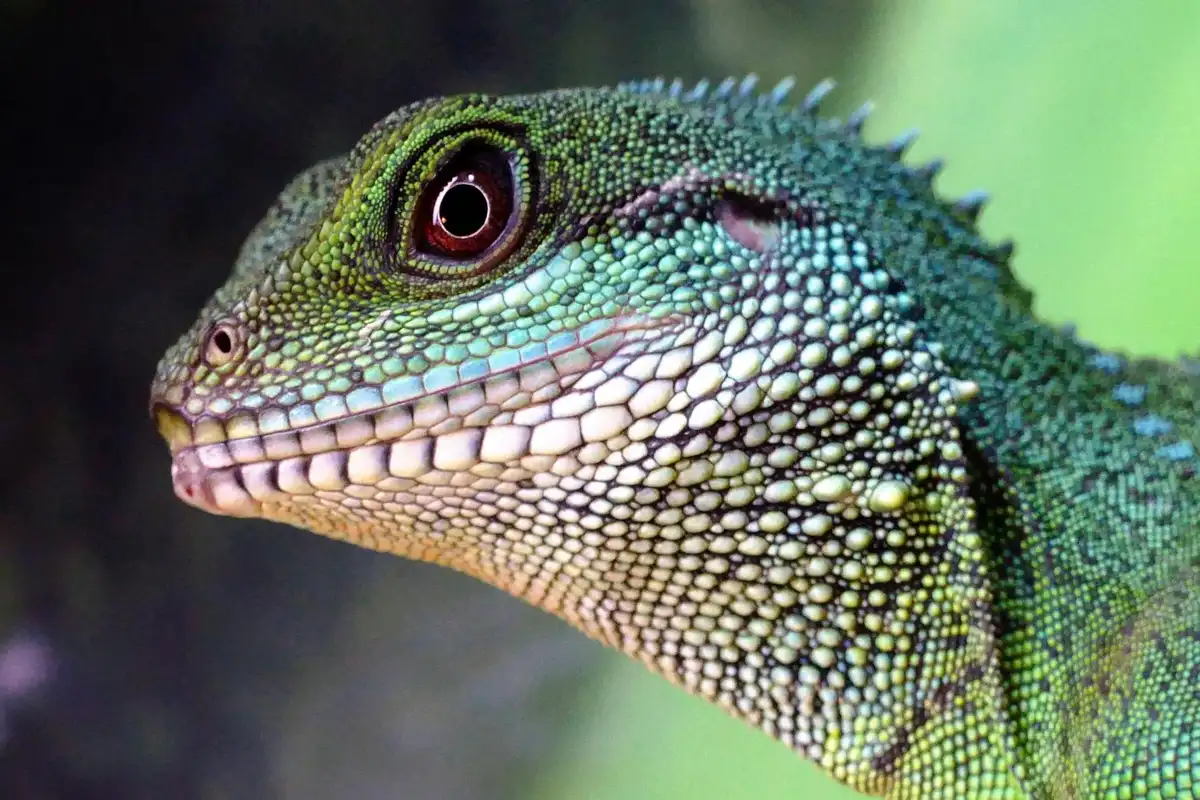
While a lethargic beardie is a common worry, frantic movement can be just as concerning. This is often a clear signal that something in their world is out of balance.
Inadequate Heating or UVB Lighting
Your bearded dragon is a solar-powered pet. Without the right heat and light, their entire system goes haywire. I’ve seen my own dragon, Spike, pace his tank when his bulb was on the fritz. Proper lighting—UVB exposure, a reliable heat source, and a steady day-night cycle—keeps them healthy and active. A quick bearded dragon lighting guide walks you through UVB requirements, heat lamp setup, and daily light cycles.
- They can’t properly digest their food without a 95-110°F basking spot.
- Insufficient UVB leads to metabolic bone disease (MBD), which is painful and can cause restless, jerky movements.
- They may constantly pace the glass, trying to find a warmer spot or escape an uncomfortable environment.
A quality thermometer and a reliable UVB tube light are non-negotiable for their well-being.
Environmental Stressors
Bearded dragons are creatures of habit and can get stressed by things we might not even notice. Their enclosure should feel like a safe, predictable haven. If your bearded dragon is hiding more than usual, that’s a sign they’re concerned. It can stem from temperature swings, lighting issues, or other disturbances in the enclosure.
- Seeing their own reflection in the glass can make them feel threatened, leading to constant glass surfing.
- Loud noises, vibrations from a stereo, or even a curious cat staring into the tank can cause panic.
- A tank that is too small doesn’t allow for proper thermoregulation, making them restless as they search for the right temperature zone.
Take a moment to see the world from your dragon’s perspective; small changes can make a huge difference in their stress levels.
Nutritional Deficiencies
What they eat directly fuels their behavior. An improper diet doesn’t just affect their growth; it affects their entire nervous system.
- A lack of calcium can cause neurological issues, including tremors and twitchy, uncoordinated movement.
- Feeding insects that are too large can cause impaction, leading to frantic scratching and straining.
- An overall poor diet lacking key vitamins can manifest as general weakness and strange, frantic behavior.
Gut-loading your feeder insects with nutritious greens and using a proper calcium supplement is a simple act of love for your pet.
Conducting a Home Health Check for Movement Issues
Before you panic, you can perform a simple check-up right at home. This helps you gather information and can provide huge peace of mind.
Step 1: Verify Temperature and UVB Levels
- Use a digital thermometer or a temperature gun to check the basking spot, cool side, and ambient air temperatures.
- Confirm your UVB bulb is the correct strength (10.0 for tube lights) and is not older than 6-12 months, as they lose potency.
- Ensure the UVB light is not blocked by a mesh screen and is placed at the proper distance recommended for the bulb.
Accurate tools are your best friend here; don’t rely on guesswork for their core environmental needs.
Step 2: Assess Hydration and Digestion
- Check for sunken eyes or loose skin, which are classic signs of dehydration.
- Look at their most recent droppings. Are they well-formed with a white urate? Runny or unusually smelly poop can indicate trouble.
- Gently feel their belly. Is it soft, or is it hard and bloated, which could signal impaction?
A healthy gut and proper hydration are the bedrock of a calm, content bearded dragon.
Step 3: Look for Signs of Shedding or Injury
- Examine their skin for dull, grayish patches. A difficult shed can make them incredibly itchy and restless.
- Check their toes for any retained shed that could be cutting off circulation.
- Look closely for any cuts, swellings, or favoring of a limb. A hidden injury will cause obvious stress and changes in movement.
Hands-on observation is key; a gentle once-over can reveal issues that are easy to miss from a distance.
Immediate Care Adjustments to Improve Activity
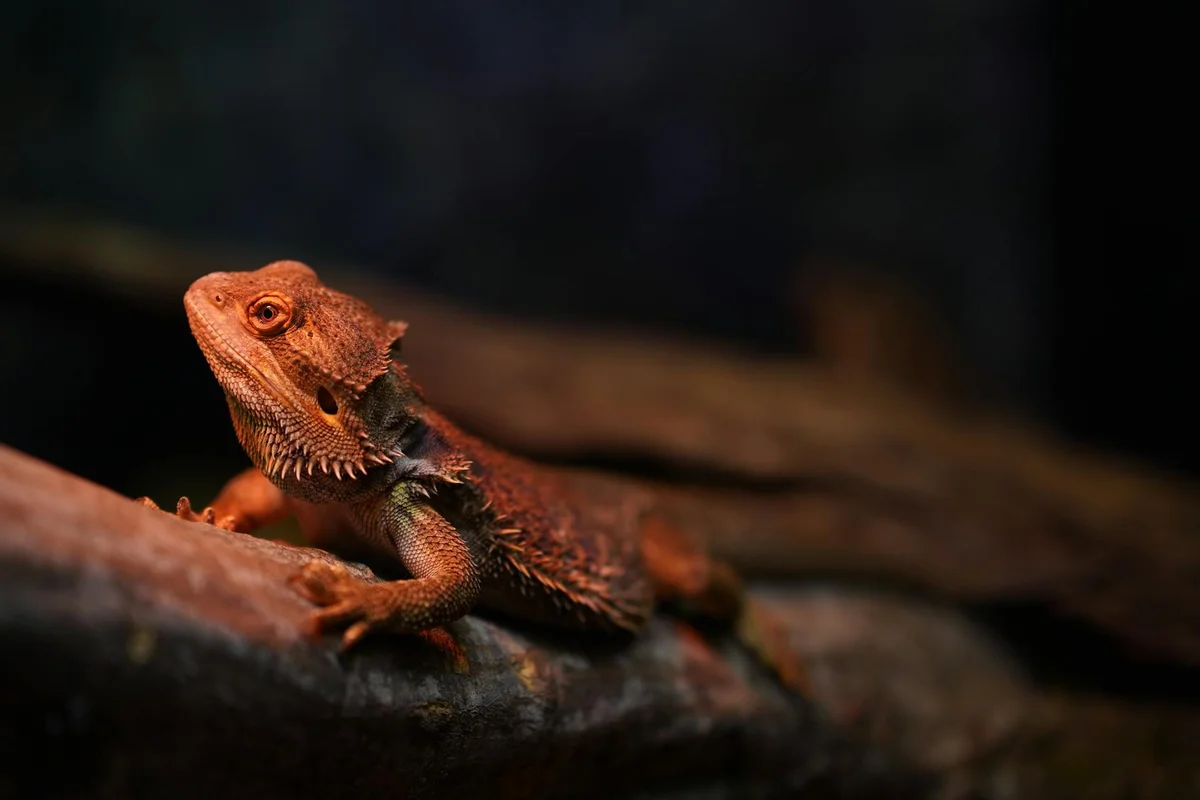
Optimizing the Basking Area and Heat Gradient
Your dragon’s temperature setup is the engine for all their activity. I’ve found that even a few degrees off can turn a lively lizard into a lethargic lump. You need a proper heat gradient.
A perfect basking spot should feel like a warm stone under a summer sun, not a scorching desert. Use a digital thermometer with a probe to check the surface temperature right where your dragon sits; it should be between 95-110°F for adults.
- Check your heat bulb’s wattage and its distance from the basking platform.
- Ensure the cool end of the tank is a comfortable 75-85°F so your dragon can thermoregulate.
- At night, temperatures can safely drop to the 65-75°F range without any heat lamps.
Enhancing Hydration and Diet
Dehydration is a silent culprit for sluggishness that many owners overlook. A dragon’s skin should be supple, not loose or wrinkled. I make it a point to offer water in a few different ways to ensure that my bearded dragon stays hydrated.
Gently misting your dragon’s nose with water can encourage them to drink, mimicking morning dew they’d lap up in the wild. This simple trick has worked wonders for my own picky drinkers. If you’d like a fuller guide, I also share 10 proven methods to help my bearded dragon drink water.
- Offer a shallow, lukewarm bath for 15-20 minutes; they often drink while soaking.
- Gut-load feeder insects with watery veggies like cucumber and offer fresh, hydrated greens daily.
- Dust insects with a high-quality calcium powder at every feeding for adults.
Reducing Stress in the Enclosure
Think of your dragon’s tank as their castle. It should be a secure, peaceful retreat. I once had a dragon that stopped moving almost entirely, and it turned out his reflection in the glass was stressing him out.
Providing multiple hiding spots, like a cave on the cool end and some foliage to duck under, gives your dragon a sense of security and control.
- Place the enclosure in a low-traffic area of your home, away from constant noise and vibration.
- Avoid housing two bearded dragons together, as this causes dominant stress.
- Cover the back and sides of the glass tank if your dragon seems to be glass-surfing frequently.
Serious Health Conditions That Affect Movement
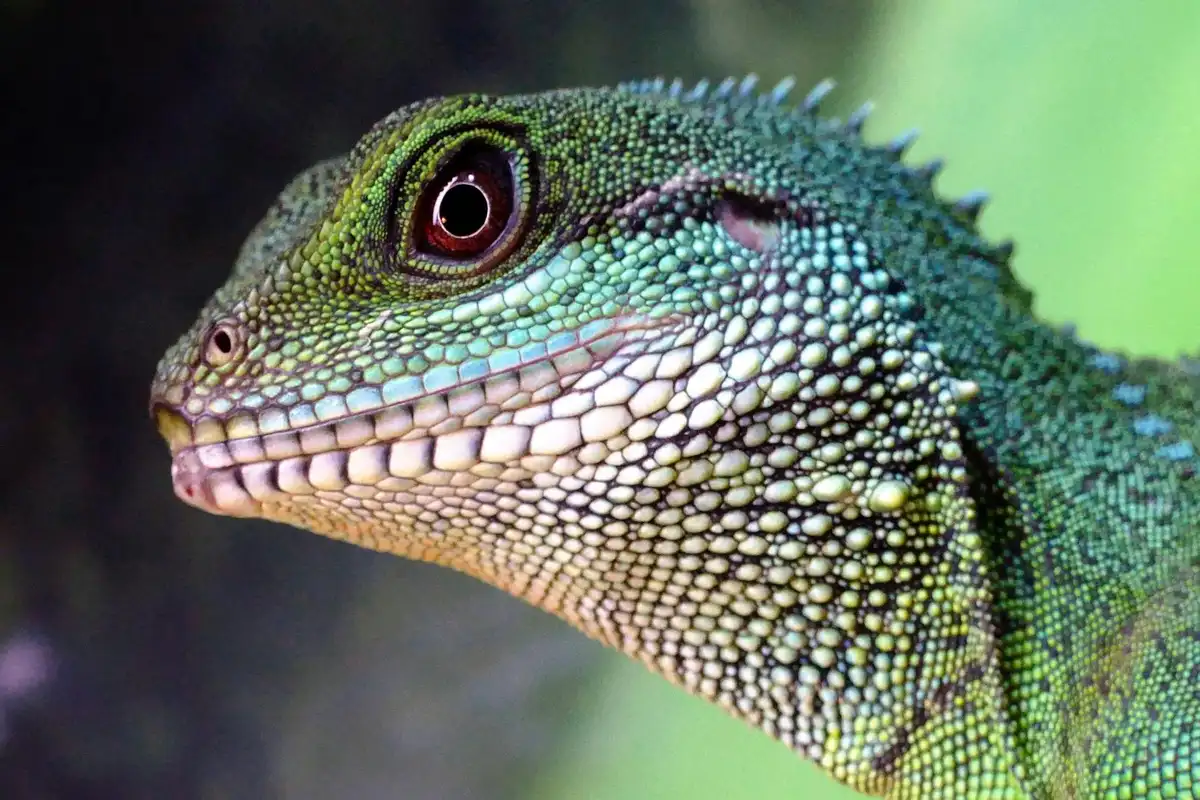
Metabolic Bone Disease (MBD) from Calcium Deficiency
This is one of the most heartbreaking conditions to see, and it’s entirely preventable. MBD weakens their bones, making every movement difficult and painful.
Early signs include a softer, rubbery jaw, trembling limbs, and a general reluctance to walk or climb. In advanced stages, you may see deformities in the spine, jaw, or legs.
- Prevention is straightforward: a proper UVB light tube that covers half the tank, replaced every 6-12 months.
- Dust insects with a phosphorus-free calcium powder.
- If you suspect MBD, a veterinarian visit is non-negotiable for treatment, which may include calcium injections.
Parasitic Infections
A heavy load of internal parasites, like pinworms or coccidia, can sap all your dragon’s energy. They live in the gut, stealing nutrients and causing inflammation.
Tell-tale signs are lethargy combined with smelly, runny, or mucous-filled stools and sudden weight loss.
- Always quarantine new reptiles before introducing them to your home to prevent cross-contamination.
- Practice good hygiene by cleaning the enclosure and washing your hands thoroughly after handling.
- A fecal test at an exotic vet is needed for an accurate diagnosis and the correct deworming medication.
Vitamin A Deficiency and Respiratory Infections
These two issues are often linked. A lack of Vitamin A compromises the health of the lining in their mouth, eyes, and respiratory tract, making them prone to infection.
Watch for mucus around the nostrils and mouth, wheezing or bubbly breathing, and keeping their eyes closed for long periods.
- Prevent Vitamin A deficiency by offering orange and red vegetables like bell peppers and sweet potato.
- Ensure your supplement schedule includes a multivitamin, but be careful not to over-supplement.
- A respiratory infection requires antibiotic treatment from a vet; home remedies will not cure it.
Frequently Asked Questions
How can I safely encourage my bearded dragon to move if it’s lethargic?
Ensure the habitat temperatures are within the ideal range and offer a shallow, lukewarm bath to stimulate activity and improve hydration. Gentle handling and providing engaging enrichment, like new hides or climbing structures, can also help motivate movement without causing stress.
What does it mean if my bearded dragon is bobbing its head or waving its arm?
Head bobbing is typically a dominance or territorial display, often seen in males, while arm waving is a submissive gesture or a way to show recognition. These behaviors are usually normal and part of their social communication, but monitor for any signs of stress if they occur excessively.
When should I take my bearded dragon to the vet for movement issues?
Seek veterinary care if unusual lethargy or hyperactivity lasts more than 24 hours, or if it’s paired with symptoms like refusal to eat, visible injury, bloating, or labored breathing. A professional evaluation is crucial to rule out underlying health problems that require treatment.
Final Thoughts
When your bearded dragon’s activity level changes, it’s your signal to become a gentle detective. Look at the whole picture—their habitat, their diet, and their behavior—to find the real story. From a cozy basking spot to a quiet, stress-free home, the solution is often in the small details of their daily care. This is the kind of insight a beginner’s guide to bearded dragons covers. In a complete beginner’s guide, you’ll learn to read these signals and tailor daily care accordingly.
Trust your instincts. You know your scaly friend better than anyone. Small, consistent efforts in their care make the biggest difference, but never hesitate to seek a vet’s expertise for anything that feels off. Your attentive care is what gives them their best, most vibrant life.
Further Reading & Sources
- Why Is My Bearded Dragon Not Moving or Lethargic? 22 Reasons – Care Guides For Pet Lizards
- 4 Unhealthy Behaviors to Watch for From Your Beardie – The Tye-Dyed Iguana – Reptiles and Reptile Supplies in St. Louis.
- 15 Bearded Dragon Behaviors and What They Could Mean – Dragon’s Diet
Bearded Dragon Lair is the ultimate resource for bearded dragon enthusiasts, offering expert advice and practical tips to ensure the health and happiness of your scaly companion. With years of experience in reptile care, we are dedicated to providing accurate, up-to-date information to support your bearded dragon journey.
Signs of Illness