Why Won’t My Bearded Dragon Eat Greens? (And How to Fix It)
Published on: December 7, 2025 | Last Updated: December 7, 2025
Written By: Beardie Joe
If your bearded dragon is consistently snubbing its salad, you’re not alone in your frustration. It’s a common issue that leaves many owners scratching their heads and worrying about their pet’s health.
I’ve cared for multiple bearded dragons over the years, and I’ve navigated this exact challenge myself. My experience in reptile care allows me to offer practical, welfare-focused advice to get your scaly friend back on track.
We’ll explore the top reasons for this refusal, from simple husbandry mistakes to potential health issues, and then walk through effective, step-by-step solutions you can try at home.
Common Reasons Bearded Dragons Refuse Greens
Watching your bearded dragon turn up their nose at a perfectly prepared salad is frustrating. I’ve been there. The refusal to eat greens is rarely a simple act of defiance; it’s almost always a symptom of an underlying issue. Let’s break down the most common culprits.
Husbandry and Environmental Factors
Your dragon’s environment is the foundation of their health and appetite. If these elements are off, their entire system, including their desire to eat, can shut down.
- Incorrect UVB Lighting: Bearded dragons need specific UVB light to synthesize vitamin D3, which is essential for calcium absorption. Without it, they can develop metabolic bone disease and lose their appetite. I always check the UVB bulb first-it needs to be a tube-style bulb (not a coil), replaced every 6 months, and cover at least half the enclosure.
- Wrong Basking Temperatures: Beardeds are ectotherms; they rely on external heat to digest their food. If their basking spot isn’t hot enough, food will just sit in their gut, making them feel full and unwell. Your basking surface temperature should be between 95-110°F for adults. I use a digital thermometer with a probe to get an accurate reading right on the basking spot.
- Stressful Enclosure Setup: An insecure dragon is a stressed dragon. Lack of proper hides, seeing their reflection in the glass, or an enclosure that is too open can cause chronic stress. This directly suppresses their appetite. Make sure they have at least one good hide on both the warm and cool side of their home.
Greens Presentation and Palatability
How you serve the salad matters more than you might think. We eat with our eyes first, and so do our reptiles, in their own way.
- Texture is Key: Large, flat, floppy leaves can be intimidating. I’ve found that chopping greens into bite-sized, manageable pieces makes a world of difference. It’s easier for them to grab and less overwhelming.
- The Freshness Factor: Would you want to eat a wilted, slimy salad? Neither does your dragon. Greens must be fresh and crisp. I make a habit of rinsing them in cold water right before serving-the extra moisture and crunch are often more appealing.
- Monotony Breeds Boredom: Imagine eating the same meal every single day. You’d get bored, too! Rotating through a variety of safe greens and veggies keeps their diet interesting and ensures a broader range of nutrients.
Age and Dietary Preferences
A dragon’s age plays a massive role in their dietary preferences. What’s normal for a baby is a problem for an adult. For bearded dragons, many owners turn to a “should feed your bearded dragon every day” guide for age-specific advice. Typically, babies eat daily; juveniles and adults follow adjusted frequencies and portions.
- Juveniles are Protein Machines: Baby and juvenile bearded dragons are growing at an incredible rate. Their bodies are hardwired to crave protein for that growth, which is why they will often voraciously hunt insects while ignoring their greens. This is normal behavior, but it’s your job to keep offering those greens so they learn to accept them.
- The Shift to Adulthood: As they reach adulthood (around 18 months), their diet should naturally shift to being about 80% plant-based. An adult dragon that still only wants insects is a red flag pointing back to potential husbandry or habit issues we’ve already discussed.
Essential Greens for a Healthy Bearded Dragon Diet
Not all greens are created equal. Providing the right foundation of nutritious staples is the best way to support their long-term health.
Top Nutritious Greens and Veggies
These are the workhorses of a good bearded dragon salad. I aim for a base of one or two of these leafy greens and then add a colorful mix of other veggies for variety. Spring mix makes a great base for a bearded dragon’s salad. Build the perfect salad by pairing it with a rainbow of safe vegetables and occasional insects on the side for protein.
- Collard Greens
- Dandelion Greens (ensure they are from a pesticide-free source)
- Mustard Greens
- Turnip Greens
- Endive / Escarole
- Butternut Squash (shredded)
- Acorn Squash (shredded)
- Bell Peppers (all colors, finely chopped)
Greens to Limit or Avoid
Some common vegetables can do more harm than good, either by blocking nutrient absorption or offering virtually no nutritional value.
- Spinach and Beet Greens: These contain oxalates (oxalic acid) that bind to calcium and prevent your dragon from absorbing it. I treat these as very rare, occasional treats, not staples.
- Iceberg Lettuce: This is the biggest offender for empty calories. It’s mostly water and fiber, offering little to no nutritional value. It can also cause watery stool. I never feed iceberg lettuce as it dilutes the nutritional value of their entire meal.
- Kale: There’s debate here, but I use it sparingly. While nutritious, it also contains goitrogens and oxalates, so it’s best not to use it as a daily staple green.
How to Prepare and Serve Greens to Encourage Eating
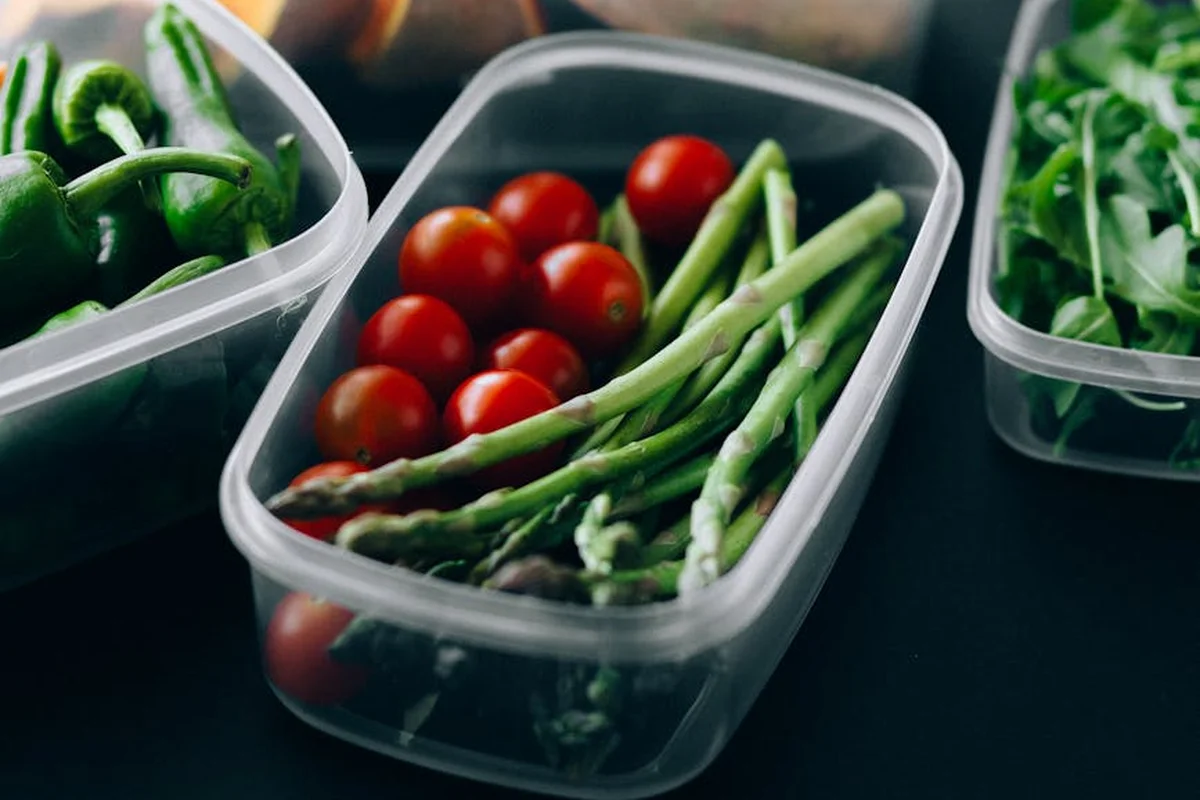
Getting a bearded dragon to eat their greens is often a game of strategy, not just willpower. I’ve found that a little effort in the kitchen makes a world of difference in their dining enthusiasm. It’s especially important to know which greens are safe for them to consume, such as lettuce and other suitable leafy vegetables.
Chopping and Texture Tips
The size and texture of your greens are critical for a bearded dragon. I always chop leafy greens like collards or dandelion greens into pieces no larger than the space between their eyes. This makes them easy to grab and swallow without a struggle.
Younger dragons, especially, can be intimidated by large, floppy leaves. A fine dice is your best friend here. For tougher greens like kale, I’ll even give them a quick massage with my fingers to soften them up and release some appealing juices.
Mixing in hydrated items is a fantastic trick. Try adding a spoonful of grated squash or a few pieces of water-rich bell pepper to the greens. The moisture from these favorites will lightly coat the greens, making them more enticing and easier to digest.
Creative Presentation Ideas
Presentation matters more than you might think! A boring pile of greens in a dish is easy to ignore. Here are a few methods that have worked wonders for my picky eaters.
- Create a Veggie Skewer: Skewer pieces of greens, bell peppers, and other safe veggies on a bird-safe wooden skewer. Hang it securely in the enclosure. The movement and novelty often trigger their curiosity and hunting instincts.
- Use a Shallow, Colorful Dish: A bright-colored, flat dish can make the greens stand out against the enclosure’s substrate. I avoid deep bowls that can hide the food.
- The “Bug Salad” Method: This is my go-to solution. Lightly dust a few of their favorite live feeders (like dubia roaches or BSFL) with calcium powder and toss them right into the salad. As they hunt for the bugs, they’ll inevitably get a mouthful of greens, learning to associate the veggies with a positive experience.
Fixing Appetite Issues Through Proper Care
Sometimes, a refusal to eat greens is a symptom of a larger care issue. I always tell new owners that proper husbandry is the foundation of a good appetite.
Optimizing UVB Lighting and Basking Spots
Your dragon’s ability to digest food, including greens, is directly tied to their heat and light. Without the right setup, they simply can’t process their meals properly. In a complete feeding guide for bearded dragons, you’ll learn which vegetables to offer and how to prepare them. This helps keep greens as a safe, balanced part of their diet.
- Ensure your UVB tube light is the correct strength (10.0 or 12%) and spans about half to two-thirds of the enclosure’s length. This creates a proper gradient of light.
- The UVB bulb should be no more than 12 inches away from your dragon’s main basking spot, with no screen in between to block the rays.
- Provide a precise basking surface temperature: 95-110°F for adults, and 105-110°F for juveniles. I use a digital thermometer with a probe to check this daily, as improper temps are a prime cause of appetite loss.
Using Supplements and Gut Health
The right supplements don’t just prevent disease; they can make a salad much more appealing for your bearded dragon. Bearded dragons are often attracted to the smell and texture of powders.
I lightly dust my dragon’s salads with a high-quality calcium powder (without D3 if using a high-output UVB light) several times a week. The fine powder clings to the moist greens, adding a new flavor and a crucial nutrient. A good multivitamin powder used once or twice a week does the same.
Think of it like putting a light seasoning on your own food. This simple act can transform a boring green into a nutrient-dense, interesting meal that supports their bone health and overall metabolism. A healthy gut leads to a hungry dragon.
Age-Specific Feeding Guidelines for Greens
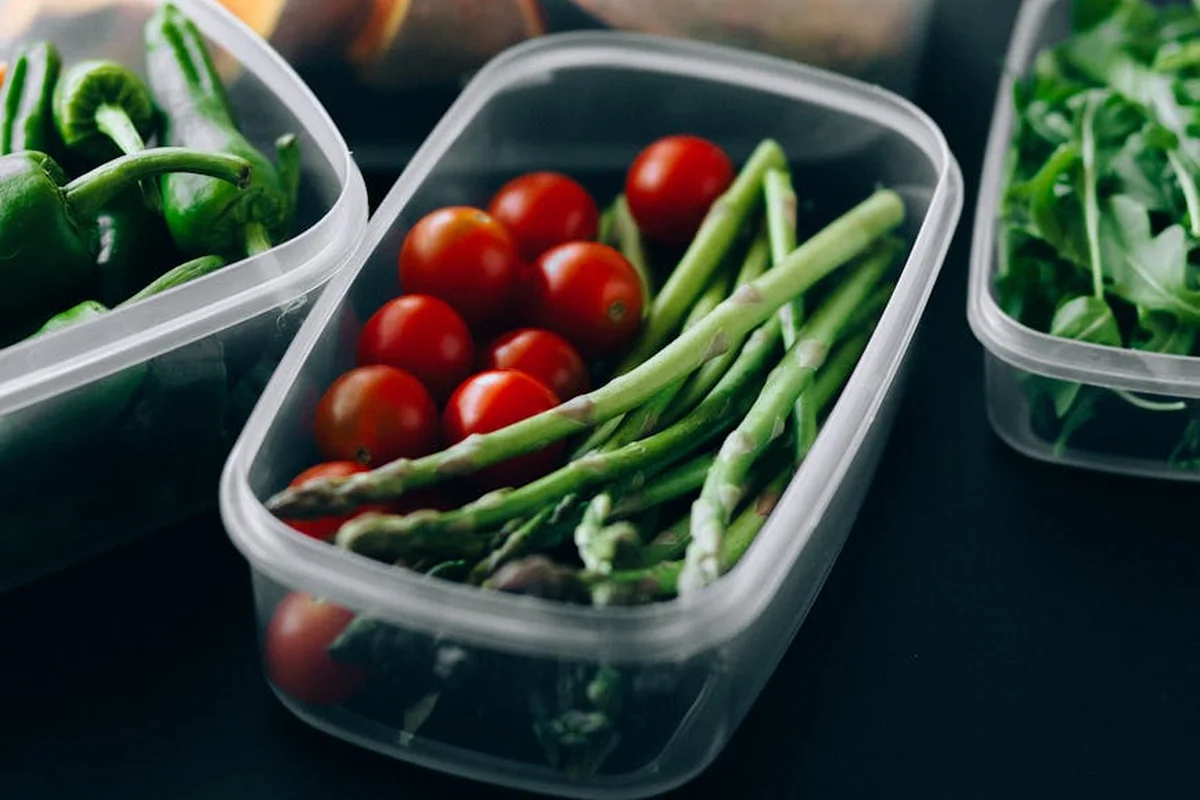
Getting the ratio of insects to greens right for your dragon’s age is one of the most common places new owners slip up. I’ve seen it in my own colony-a diet that’s perfect for a baby will make an adult dragon pudgy and disinterested in their salad. Getting this balance wrong is a primary reason a bearded dragon will turn their nose up at a perfectly good bowl of greens. It’s especially important to get insect quantities right depending on their life stage.
Juvenile Bearded Dragon Greens Intake
Juveniles (roughly 3 to 8 months old) are growing machines, and their bodies are screaming for protein. It’s completely normal for them to seem obsessed with bugs and less excited about their greens.
- Insect to Greens Ratio: Aim for an 80% insects to 20% greens split.
- Daily Routine: Offer 2-3 feedings of appropriately-sized insects daily. A small, fresh salad should be available all day.
- The Strategy: Don’t force it. The goal here is exposure. I make a point of offering a tiny, colorful salad every single morning, even if my juveniles only take a single bite. This builds the habit.
- Insect Size Tip: Never feed an insect larger than the space between your dragon’s eyes to prevent impaction.
Adult Bearded Dragon Diet Balance
Once your dragon hits adulthood (around 18 months), their nutritional needs flip completely. This is the critical shift that, if missed, leads to obesity and a lifelong greens strike.
- Insect to Greens Ratio: This reverses to 80% greens and 20% insects.
- Weekly Routine: Insects become a treat, offered only 2-3 times per week. A large, fresh salad is their daily staple.
- The Mindset Change: This can be tough on owners who love watching their dragon hunt! I had to consciously remind myself that cutting back on bugs was an act of care, not deprivation.
- Portion Control: An adult dragon’s salad should be roughly the size of their head, once a day.
When to Worry and Seek Veterinary Care
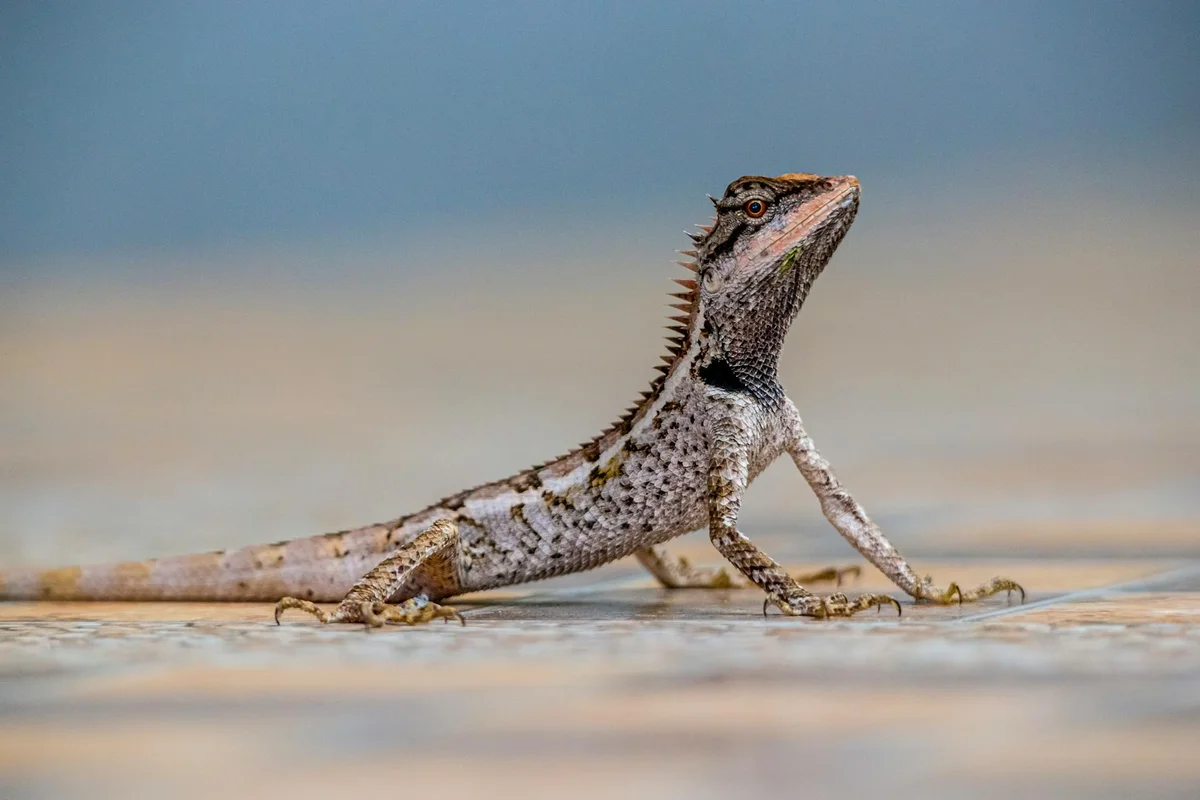
Sometimes, a hunger strike is more than just picky eating. As a reptile keeper, learning to spot the difference is your most vital skill. Trust your gut-you know your animal best.
Red Flags for Health Issues
If your dragon stops eating greens and shows any of these symptoms, it’s time to pause the home fixes and call your exotic vet.
- Rapid Weight Loss: You can easily see their hip bones or their fat pads on their head appear sunken.
- Lethargy: They are consistently limp, don’t move much, or sleep all day and night.
- No Bowel Movements: Especially if it’s been more than a week and they’ve eaten insects.
- Swollen Jaw or Limbs: Can indicate metabolic bone disease.
- Discolored Gums or Sticky Saliva: Signs of mouth rot (infectious stomatitis).
- Runny, foul-smelling, or discolored stools.
Monitoring and When Home Fixes Fail
For a simple case of picky eating, most of your tricks should show some progress within a few days to a week.
- Keep a Simple Log: Note what you offered, what was eaten, and any behaviors you see for a week.
- Try Your Toolkit: Use the techniques from the rest of this article-garnishing, bee pollen, changing textures.
- Set a Time Limit: If you see zero improvement after 5-7 days of consistent effort, or if your dragon stops eating entirely for more than 3 days, it is time to seek professional help.
Reptiles hide illness incredibly well. A vet visit can rule out parasites, impaction, or other underlying issues. I never regret being too cautious with my pets’ health.
Frequently Asked Questions
What should be included in a bearded dragon greens chart?
A bearded dragon greens chart should categorize greens into daily staples like collard and dandelion greens, occasional treats such as kale, and foods to avoid like iceberg lettuce. This visual guide helps owners quickly identify nutritious options and maintain a balanced diet for their pet.
What greens are safe and available for bearded dragons in the UK?
In the UK, safe and accessible greens include watercress, rocket, and pak choi, which are often found in supermarkets. Always choose organic, pesticide-free varieties and rinse them thoroughly to ensure they are safe for consumption.
Are there any Australian-specific greens that are good for bearded dragons?
In Australia, suitable greens include bok choy, silverbeet (in moderation due to oxalates), and native options like warrigal greens after proper cooking to remove oxalates. Always source from safe, pesticide-free areas and introduce new greens gradually to monitor for any adverse reactions.
Final Thoughts
Getting your bearded dragon to eat their greens can feel like a frustrating battle, but I promise it’s one you can win. Patience and consistency are your most powerful tools here. Remember that picky eating is a common phase, not a permanent problem. Sometimes you may wonder, why won’t my bearded dragon eat? Here’s what you can do about it.
Stick with offering fresh, varied salads, use smart tricks like bee pollen, and always ensure your husbandry is spot-on. Your persistence will pay off with a healthier, happier dragon enjoying their veggies in no time. For bearded dragons, honeydew and bee pollen should be used cautiously. Our safety guide on honeydew and bee pollen offers guidance on proper amounts and potential risks.
Further Reading & Sources
- Best Greens for Bearded Dragons: Daily and Weekly Staples – Dragon’s Diet
- r/BeardedDragons on Reddit: What do you feed your beardie daily? (Greens)
- 10 Bearded Dragon Veg Options to Keep Your Pet Healthy and Happy
Bearded Dragon Lair is the ultimate resource for bearded dragon enthusiasts, offering expert advice and practical tips to ensure the health and happiness of your scaly companion. With years of experience in reptile care, we are dedicated to providing accurate, up-to-date information to support your bearded dragon journey.
Feeding Guidelines