
Why Is My Bearded Dragon Climbing, Hitting, or Sleeping on the Glass?
Published on: March 24, 2026 | Last Updated: March 24, 2026
Written By: Beardie Joe
If you’ve caught your bearded dragon climbing the tank walls, bumping its nose on the glass, or snoozing in a corner, you’re not alone-I’ve spent many hours observing this exact behavior in my own dragons.
As a dedicated owner with years of hands-on reptile care experience, I’m here to help you interpret these actions and address any underlying needs with compassion.
We’ll dive into the reasons behind glass surfing, explore why they might be sleeping there, and share simple adjustments to support their health and happiness.
Understanding Glass Surfing and Related Behaviors
When your bearded dragon is repeatedly climbing the glass or seems to be hitting it with its nose, we call that “glass surfing.” You’ll see them standing on their back legs, frantically scratching at the sides. This is a clear sign of distress, and it’s their way of telling you that something in their world is off-balance. That’s a question many owners ask: why is my bearded dragon glass surfing, and how do I stop it? The answer usually lies in adjusting their environment to reduce stress and encourage natural behavior. It’s not a quirky habit to ignore. I’ve seen it in my own dragons, and it always sends me straight into detective mode to figure out what’s bothering them.
Top Reasons for Glass Surfing and Climbing
Figuring out the “why” is the first step to helping your scaly friend feel calm and secure again. The causes usually fall into a few key areas that are easy to check.
Temperature and Lighting Problems
This is, by far, the most common culprit I encounter. Bearded dragons are solar-powered, and their environment needs to be just right. If your bearded dragon is lethargic, that’s a sign worth worrying about. Common causes of lethargy include improper temperatures, insufficient UVB lighting, dehydration, and inadequate diet, all of which can lead to lethargy.
- The basking spot is too hot or not hot enough. If it’s too hot, they’ll try to escape the heat. If it’s too cool, they’ll surf looking for a warmer area. I use a temperature gun to spot-check this daily.
- Incorrect UVB lighting. UVB is non-negotiable for their health. If the bulb is too weak, too old (they need replacement every 6-12 months), or blocked by a screen, they can become stressed and try to find more “sun.”
- No proper temperature gradient. Their home needs a distinct warm side and a cooler side. Without this gradient, they have no way to regulate their body temperature, which is incredibly frustrating for them.
Enclosure Size and Layout Issues
Think of their tank as their entire universe. If that universe feels cramped or boring, any animal would try to get out.
- The tank is simply too small. An adult bearded dragon needs a 120-gallon enclosure as an absolute minimum. Anything less can feel like a prison cell and trigger surfing.
- Lack of hiding spots and clutter. Wide-open spaces are stressful for a prey animal. They need secure hides on both the warm and cool ends to feel safe.
- They can see their reflection. Glass can act like a mirror, especially from certain angles. Your dragon might think another dragon is in their territory, which leads to stress and glass hitting.
Stress, Boredom, and Territorial Behavior
Sometimes, the problem isn’t the setup but what’s happening inside and outside the tank.
- They can see other pets. A cat staring at them or a dog walking by can be terrifying. Place the tank in a calm, low-traffic area of your home.
- Pure boredom. These are intelligent creatures. A bare tank with nothing to do is a recipe for stress. I make sure to add novel items like rocks and safe branches for them to climb and explore.
- Seasonal restlessness. During breeding season, especially in spring, hormones can run high. Males, in particular, may become more active and territorial, leading to increased glass surfing as they look for a mate.
Immediate Steps to Stop the Behavior
Check Your Heating and UVB Setup
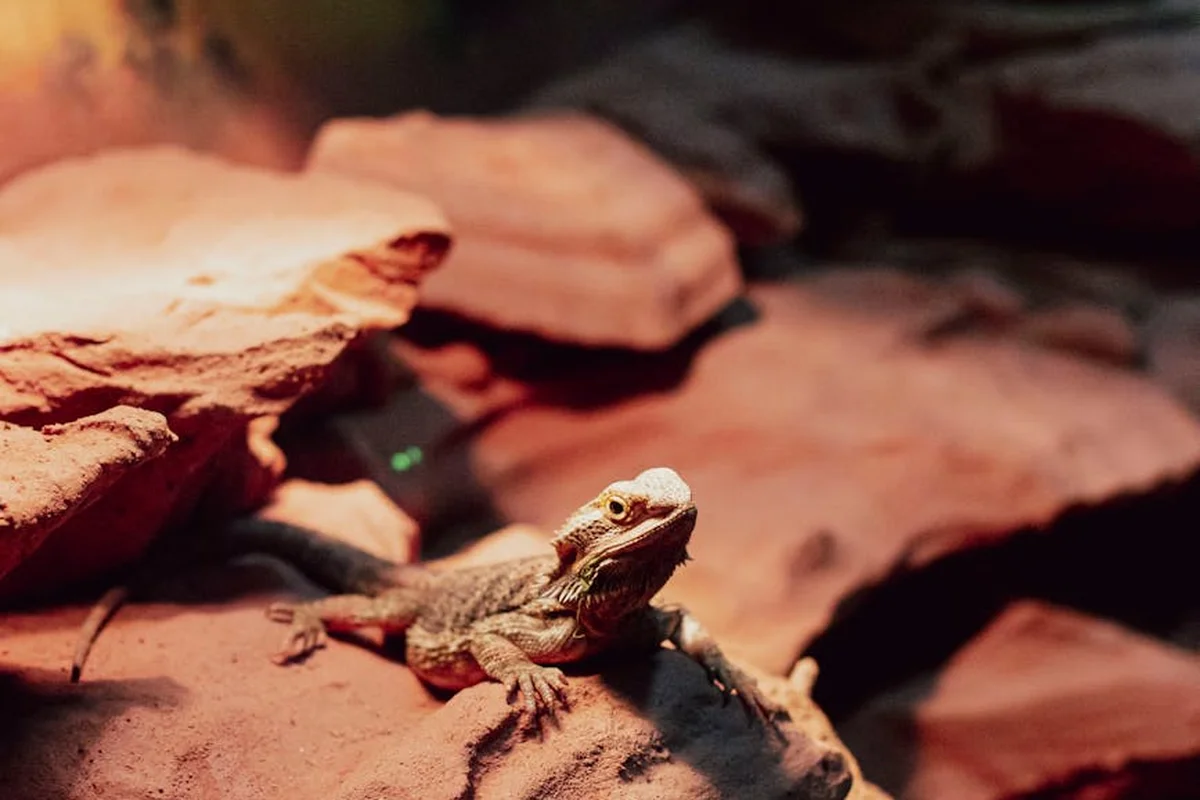
Your dragon’s frantic glass surfing is often a desperate attempt to get comfortable. The very first thing I do when I see this behavior is grab my digital thermometer and check the basking spot temperature. If it’s off by even a few degrees, your pet is trying to tell you something is wrong. Shaking can be another sign that something else isn’t right. There are seven common causes to consider when your bearded dragon shakes.
- Use a digital probe or infrared temp gun for accurate readings. The stick-on dials are notoriously unreliable.
- The basking surface should be between 95-110°F for adults and 105-110°F for juveniles.
- The cool side of the tank must offer a real escape, sitting comfortably between 75-85°F.
- Check the age of your UVB tube light. These bulbs lose their invisible potency long before they burn out. Replace them every 6 months.
- Ensure the UVB light spans about 2/3 of the enclosure’s length and isn’t blocked by a mesh top or a decorative cover.
Assess and Modify the Glass Enclosure
Bearded dragons often don’t understand the concept of glass. They see a branch or a patch of sunlight and try to get to it, bumping into an invisible wall. Creating visual barriers is the single most effective quick fix I’ve used to stop glass surfing in its tracks. It breaks that frustrating line of sight. If your dragon keeps scratching the glass, it’s usually because they’re trying to reach light or a warm perch. Solutions include creating more visual barriers, adjusting heat and light placement, and offering alternative basking spots.
- Apply static-cling window film to the lower two-thirds of the tank walls on three sides. It’s cheap and removable.
- Tape construction paper or a scenic background poster to the outside of the glass.
- Rearrange the furniture inside the tank. A new layout can break old habits and make the space feel new and less confining.
- If the behavior happens at a specific time, like when a ceiling light is on, consider what reflections they might be seeing and try to eliminate them.
Long-Term Habitat Solutions for a Calm Dragon
Optimizing Your Tank’s Interior
A bare tank is a boring tank, and a bored dragon is a stressed dragon. Think of your dragon’s home not as a cage, but as a piece of the Australian outback you’re recreating for them. I’ve found that a cluttered, enriching environment is the key to a content pet.
- Create multiple levels and hiding spots using sturdy branches, ramps, and reptile hammocks. This encourages natural climbing behavior on safe surfaces.
- Offer at least two hides: one on the warm end and one on the cool end. This gives them a true sense of security and control over their environment.
- Use a deep, loose substrate like a soil/sand mix for adults (never for babies) or a solid substrate like slate tile. This allows for natural digging instincts.
- Add hardy, live plants like succulents (check they are reptile-safe) to provide visual breaks and a more naturalistic feel.
Establishing a Consistent Care Routine
Reptiles thrive on predictability. A chaotic schedule can make them feel insecure, leading to stress behaviors like glass surfing. My dragons all know what to expect each day, and that consistency has made them some of the most relaxed lizards I’ve owned.
- Use a timer for your lights. A consistent 12-hour day/night cycle is non-negotiable for their mental and physical health.
- Feed them at roughly the same times each day. A hungry dragon will pace and surf looking for food.
- Incorporate regular, gentle handling sessions outside the tank. This provides mental stimulation and strengthens your bond.
- Create a “safe room” for supervised exploration time outside the enclosure. A cleared, beardie-proofed bathroom or small room works perfectly.
When to Be Concerned: Health and Stress Signals
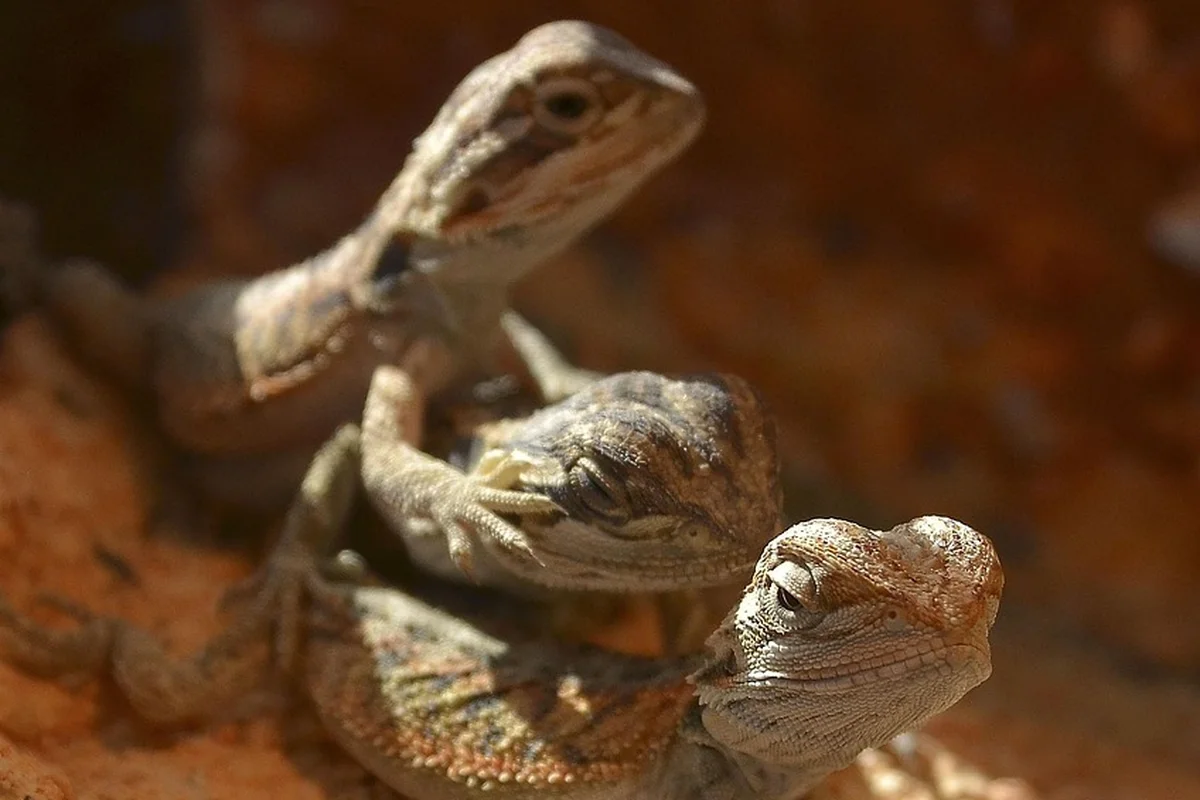
While a little glass surfing now and then is normal, some behaviors are a genuine cry for help. You need to pay close attention when the activity becomes frantic, obsessive, or is paired with other worrying symptoms like heavy breathing. I’ve learned to spot the difference between a curious dragon and a distressed one through years of caring for my own crew.
Signs of Chronic Stress
Stress isn’t just a mood; it’s a physical state that can weaken your dragon’s immune system. Spotting stress signs early helps reduce your bearded dragon’s anxiety. Recognizing these cues lets you respond appropriately to calm them and support their health. Look for these red flags alongside the glass climbing:
- Persistent, frantic pacing and scratching for hours.
- Dark beard (especially a black beard) that stays dark for a long time.
- Stress marks-dark, oval-shaped patterns on their belly and chin.
- Loss of appetite or refusing their favorite bugs.
- Hiding constantly and avoiding their basking spot.
Underlying Health Issues
Sometimes, what looks like a behavior problem is actually a health problem. Your dragon might be trying to tell you they feel awful. If you suspect illness, watch for the 12 critical symptoms that should never be ignored. Seek a reptile-savvy veterinarian promptly.
- Parasites: Internal parasites can cause general discomfort and restlessness. Look for runny, foul-smelling stools or unexpected weight loss.
- Impaction: If they’ve eaten something they can’t digest, like loose substrate or a too-large insect, they may pace and glass surf due to pain. A swollen belly and lack of pooping are key signs.
- Respiratory Infections: Labored breathing, gaping when not basking, and mucus around the nose or mouth mean a vet visit is urgent.
- Metabolic Bone Disease (MBD): This is a serious, painful condition. Watch for tremors, soft or swollen jaws, and difficulty walking or climbing.
Any of these health symptoms, combined with glass surfing, means you should contact a reptile veterinarian immediately. I’ve had to make that emergency vet trip before, and catching things early always leads to a better outcome.
The Bigger Picture: Is Their Home the Problem?
Often, the root cause is something off in their enclosure. Be your dragon’s detective and check these common culprits. If your bearded dragon isn’t moving much, inspect warmth, UVB lighting, and hydration. If it’s moving too much, look for stressors in a cramped space or inconsistent temperatures.
Terrarium Size and Setup
- Enclosure is too small: A juvenile can quickly outgrow a starter tank. Adults need a 120-gallon (4x2x2 feet) enclosure minimum. They pace because they are literally cramped.
- Lack of climbing enrichment: In the wild, they are semi-arboreal. If your tank is just flat ground, they’ll try to climb the only “cliff” they see-the glass. Add sturdy branches, rocks, and hammocks.
- Inadequate hiding spots: They need at least two hides-one on the warm side and one on the cool side-to feel secure.
Temperature and Lighting Problems
- Incorrect temperature gradient: The basking spot should be 95-110°F, the cool side 75-85°F. If it’s too hot everywhere, they’ll surf trying to escape the heat. If it’s too cold, they can’t digest their food.
- Wrong UVB bulb or placement: They need a tube-style UVB light (not a coil bulb) that covers half the tank and is replaced every 6-12 months. Without proper UVB, they can’t process calcium, which leads to MBD and general misery.
Environmental Stressors
- Seeing their reflection: Glass can act like a mirror. If they constantly see another “dragon,” they may feel threatened and display stress behaviors.
- Loud noises and vibrations: Placing the tank near a TV, speaker, or busy hallway can be very stressful for them.
- Other pets: A cat staring at the tank or a dog barking can be terrifying for your beardie.
The most important thing you can do is observe and adjust. I’ve spent countless hours just watching my dragons, and that’s how I learned what “normal” looks like for each of them. Your careful attention is their best healthcare.
Frequently Asked Questions
Is glass surfing ever normal, or is it always a sign of distress?
While occasional, brief glass surfing might occur during exploration or in response to temporary stimuli like seeing a bug outside the tank, persistent or frantic surfing is typically a sign of distress and should be investigated to address underlying issues.
How can I safely let my bearded dragon out of its enclosure for exercise?
Provide supervised out-of-tank time in a secure, beardie-proofed area free of hazards like electrical cords or other pets; this encourages natural movement and mental stimulation without the risks of escape or injury.
Can dietary factors influence my bearded dragon’s glass surfing behavior?
While not a direct cause, an improper diet lacking essential nutrients like calcium or vitamins can contribute to overall stress and health issues, so ensure a balanced diet with appropriate supplements to support their well-being and reduce stress-related behaviors.
Final Thoughts
Seeing your bearded dragon climb, hit, or sleep on the glass can be unsettling, but remember, it’s almost always a sign they are trying to communicate a need. Your dragon isn’t being “bad”-they’re telling you something is wrong in their world. From an enclosure that’s too small or too bare to the simple desire for more space to roam, the root cause is usually something we can identify and fix. When your dragon stares at you, it’s usually trying to tell you something. Learning to interpret these common behaviors helps you respond quickly and keep them healthy.
Take a deep breath and become a detective in your dragon’s habitat. By patiently observing their behavior and methodically checking their home setup, you can solve this puzzle and help your scaly friend feel safe and content again. In my own experience, a few thoughtful changes often turn a frantic glass-surfer back into the calm, curious pet we love. Think of this as a calm-stressed bearded dragon guide in practice—a simple way to de-stress your pet. With consistent routines and a well-arranged enclosure, your dragon can settle into its best, relaxed self.
Further Reading & Sources
- How to Stop Glass Surfing in Bearded Dragons
- Bearded Dragon Glass Surfing: 8 Surprising Reasons
- Bearded Dragon Glass Surfing: Why They Do It
Bearded Dragon Lair is the ultimate resource for bearded dragon enthusiasts, offering expert advice and practical tips to ensure the health and happiness of your scaly companion. With years of experience in reptile care, we are dedicated to providing accurate, up-to-date information to support your bearded dragon journey.
Temperament Insights