
Why Is My Bearded Dragon Waving? (And Should You Wave Back?)
Published on: March 31, 2026 | Last Updated: March 31, 2026
Written By: Beardie Joe
If you’ve spotted your bearded dragon slowly lifting and curling its arm in a little wave, you’re witnessing one of their most charming and curious behaviors.
With years of personal experience caring for my own dragons, I’m here to help you decode this signal and ensure you’re responding in a way that supports their welfare.
We’ll uncover the main reasons for this wave, discuss if you should wave back, and guide you on the best ways to interact with your pet.
Understanding Bearded Dragon Waving Behavior
If you spot your bearded dragon slowly raising one of its front legs and rotating it in a cute, circular motion, you’ve just witnessed the classic “arm wave.” This is a completely normal and common form of lizard body language. Think of it as their way of having a quiet conversation without making a sound, similar to how they use other body parts to communicate, like their tails.
I’ve spent countless hours just watching my dragons interact, and this gesture always stands out. I first noticed it with my male, Pancake, when I introduced a new dragon into the room. He wasn’t bobbing his head aggressively; he was gently waving. It was a clear, submissive gesture, his way of saying, “I see you, and I’m not a threat.” If you’re wondering whether your bearded dragon likes you, there are 12 key signs of trust to watch for. This calm wave can be one of them.
Decoding the Meaning Behind the Arm Wave
Primary Reasons for Waving
That little wave can mean a few different things, depending on the situation. Here are the most common reasons your scaly friend is signaling you.
- Submission Towards Other Dragons or Humans: This is the most frequent meaning. In beardie society, a slower, deliberate wave is like a polite nod of acknowledgment. It’s a dragon’s way of showing deference to a more dominant dragon-or even to you, their giant caregiver. They are communicating that they recognize you are in charge.
- A Simple Greeting Signal: Sometimes, a wave is just a friendly “hello!” You might see this when you first approach the enclosure in the morning or when you offer food. It’s a social gesture that says they see you and are aware of your presence in a non-threatening way.
- Territorial Behavior and De-escalation: Waving is often used to diffuse tension. If one dragon is head-bobbing (a dominant, territorial display), the other will often wave back to avoid a fight. It’s a crucial piece of reptile body language that helps prevent conflict.
- Links to Environment and Thermoregulation: While less common, some owners notice more waving when the terrarium temperature is a bit off. A dragon that is slightly too cool might move more slowly, and this can sometimes include waving as they try to get comfortable. Always double-check your temperature gradients.
Context Matters: When Waving Signals Stress
While usually harmless, constant or frantic waving can be a red flag. You need to look at the whole picture to understand what your pet is feeling.
- Frequent Waving in New Environments: A new home is overwhelming. If your dragon is waving non-stop during its first few days with you, it’s likely stressed and trying to appease everything it sees. This is very common and should settle down as they acclimate.
- How to Spot Distressed Waving: Normal waving is slow and controlled. Stressed waving can look quicker, more repetitive, and may be accompanied by other signs like a dark beard, frantic glass surfing, or trying to hide. A stressed wave looks anxious, while a calm wave looks deliberate.
If you suspect stress, here’s how to assess the situation.
- Check the habitat first. Are the basking spot and cool side temperatures correct?
- Look for other stressors. Is another pet staring into the tank? Is the enclosure in a high-traffic area?
- Give them space. Sometimes, the best thing you can do is reduce handling and loud noises for a day or two to let them settle.
Should You Wave Back at Your Bearded Dragon?

This is one of the most common questions I get, and my answer might surprise you. I generally advise against waving back at your bearded dragon. In my years of caring for these reptiles, I’ve found that mimicking their wave can create more confusion than connection. Bearded dragons rely primarily on visual cues, and understanding how they hear and interpret signals helps you communicate more effectively with them. They don’t respond to sound the same way we do, so clear body language is more reliable.
Let’s break down the pros and cons.
- Potential Pro (The “Maybe”): Some owners feel a wave back is a cute form of interaction. They believe it acknowledges the dragon’s communication.
- The Big Con (The Reality): Your dragon’s wave is a complex signal of submission or stress. When you, the giant in their world, mimic it, you aren’t saying “I submit to you.” You’re just making a strange, repetitive motion. This can be unsettling for them, as they don’t understand your intent.
I learned this with my first dragon, Leo. I thought waving back was a fun game. He would wave, I’d wave, and he’d immediately stop and often retreat. I realized I wasn’t playing; I was adding to his uncertainty. Their world is built on clear, instinctual signals, and our human “play” can muddy those waters. That shift led me to bearded dragon–specific enrichment and toy ideas. Safe, simple activities like climbing ramps and foraging boxes can make play enjoyable and clear.
Do’s and Don’ts for Owner Interaction
- DO acknowledge the wave with a soft, calm voice. A simple “Hey buddy, I see you” works wonders.
- DO use it as a cue to assess their environment for potential stressors.
- DON’T quickly wave your hand or fingers back at them. This can be perceived as a threat.
- DON’T immediately try to pick them up after a wave. They are communicating unease, not an invitation.
How to Respond When Your Dragon Waves
Calm Handling and Observation
Your immediate goal is to de-escalate, not engage. A wave is a request for space, so honor it. The best response is often a calm, non-invasive presence.
- Pause and Assess: Freeze your movement. Don’t reach into the tank right away.
- Observe Other Cues: Look at their entire body. Is their beard dark? Is their body flattened? These are bigger signs of stress.
- Speak Softly: Use a low, gentle tone to reassure them you aren’t a threat.
- Move Slowly: If you need to do something in the tank, move your hand slowly and predictably, away from their head.
To reduce these stress waves long-term, look at their habitat. Is their hide adequate? Is the tank in a high-traffic area? Is there a reflective surface or another pet causing them to see a “rival”? Sometimes the simplest fix is moving their enclosure to a quieter spot, especially if your bearded dragon is hiding frequently due to stress.
Enhancing Pet Care Through Response
You can use this understanding to build a deeper bond. The wave isn’t a problem; it’s a conversation starter.
- Build Trust with Handling: After a wave subsides, try placing your hand calmly in the tank without touching them. Let them approach you. Offer a treat from your open palm. This rebuilds positive associations.
- Use Positive Reinforcement: When they are calm and not waving, that’s the time for a favorite snack or gentle chin rub. You’re training them to understand that calm behavior gets rewards.
- Support Natural Behavior with Enrichment: A bored or under-stimulated dragon is a stressed dragon. Add things to climb on, dig in, and explore. Rearrange their decor every few weeks to create a “new” environment. This engages their brain and reduces stress-related behaviors.
Related Bearded Dragon Body Language Cues

Waving is just one piece of the rich communication puzzle. Learning to read your dragon’s full body language is the key to truly understanding their needs and emotions. I’ve spent countless hours just watching my crew, and their silent signals tell me everything. If you’re wondering, “do I make my bearded dragon happy?”, there are 10 signs your pet is content. Knowing these cues helps ensure you’re meeting their needs and keeping them a truly happy, content pet.
Here’s a quick guide to some other common gestures you’ll see.
| Behavior | What It Typically Means |
|---|---|
| Arm Waving | A sign of submission or acknowledgment. Often used by juveniles or smaller dragons to show they are not a threat. It can also be a general response to something new. |
| Head Bobbing | This is the opposite of waving! It’s a dominant, territorial display. Fast, vigorous bobbing is a challenge or mating signal. Slow bobs can be a simple sign of recognition. |
| Glass Surfing | When your dragon frantically scratches at the glass. This is almost always a sign of stress, not playfulness. It can mean the enclosure is too small, they see their reflection, or something in their environment is wrong. |
| Beard Flaring (Black Beard) | A major warning sign. The beard puffs out and turns dark black. This signals stress, fear, illness, or aggression. In males, it’s also part of mating behavior. |
| Gaping (Mouth Slightly Open) | While basking, this is just your dragon thermoregulating, like a dog panting. If they’re doing it elsewhere, it can be a sign of a respiratory infection. |
| Pancaking (Body Flattened) | They are trying to absorb more heat from their basking spot. Sometimes, they also do this when they feel threatened to look bigger. |
Improving Your Bearded Dragon’s Well-being
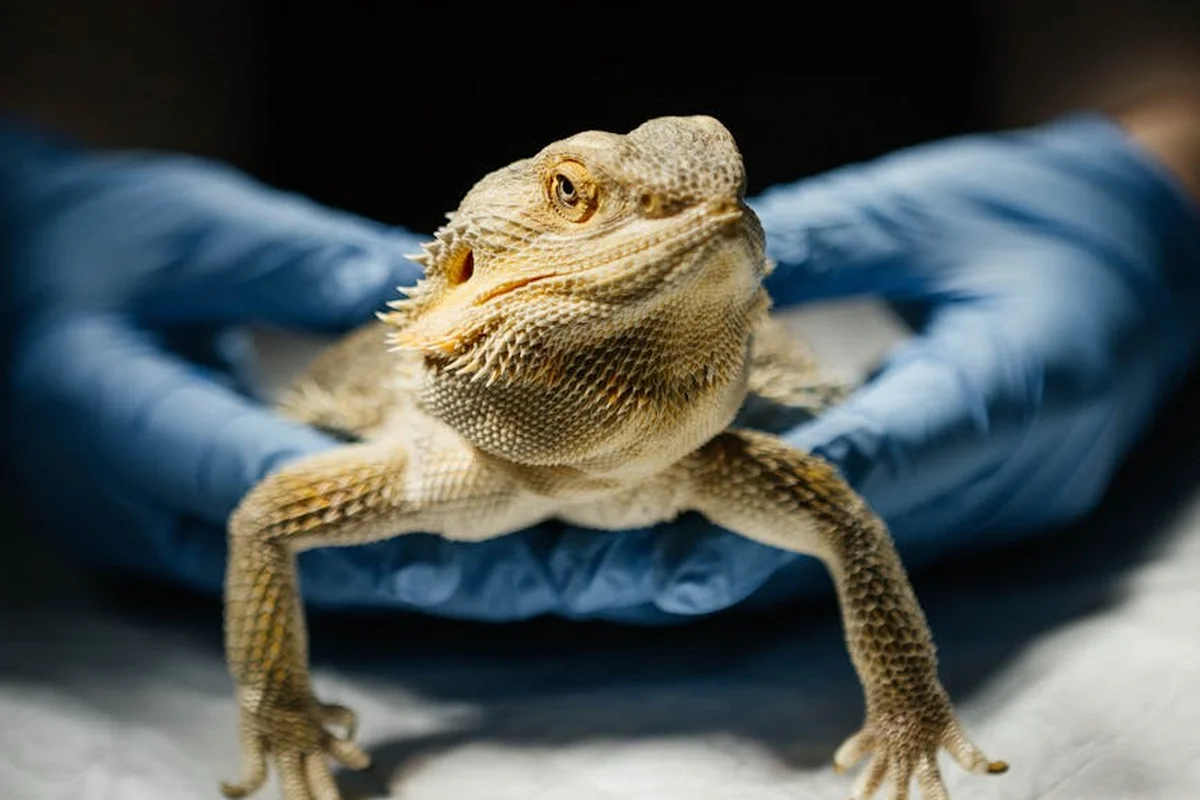
Seeing a lot of waving or other stress signals means it’s time to look at their home. A comfortable dragon is a happy, healthy dragon who feels secure enough to just be. A calm, stress-focused bearded dragon de-stressing guide on de-stressing your pet can offer practical steps you can apply today. Start with a stable setup, gentle handling, and a predictable routine. I’ve had to make adjustments to my own setups over the years, and the difference in behavior is always remarkable.
Actionable Habitat Tips to Reduce Stress
- Give Them Space: A 120-gallon tank is the absolute minimum for an adult. More floor space means less feeling cramped.
- Create a Proper Temperature Gradient: One end must be a warm basking area (95-110°F), and the other end a cooler zone (80-85°F). This lets them regulate their body temperature, which is vital for their health.
- Provide Plenty of Hides: Have at least one secure hide on the warm side and one on the cool side. They need places to feel completely safe and unseen.
- Limit Their Reflection: If your dragon is glass surfing, try placing a background on three sides of the enclosure. This cuts down on confusing reflections.
- Respect Their Schedule: Bearded dragons thrive on routine. Keep a consistent day/night light cycle (12 hours on, 12 hours off) to mimic their natural environment.
Monitor Behavior for Health
Your dragon’s behavior is your first and best clue to their overall health, as physical signs and symptoms often accompany behavioral changes. A sudden change in habits, like constant hiding, lack of appetite, or persistent black bearding, is a cry for help. I keep a simple mental log of my dragons’ normal behavior so I can spot deviations immediately.
Pay close attention. Are they waving because a new person entered the room, or are they doing it constantly in an empty room? The context is everything. Proper care isn’t just about providing food and shelter; it’s about being an attentive and responsive guardian. Your vigilance is their best healthcare plan.
Frequently Asked Questions
Is waving behavior more common in juvenile bearded dragons?
Yes, waving is often observed more frequently in juveniles as they are typically more submissive and use it to communicate with larger dragons or humans, while adults may wave less as they establish dominance.
Can changes in habitat setup influence how often my bearded dragon waves?
Absolutely, optimizing the enclosure by reducing reflections, adding hides, and maintaining consistent temperatures can minimize stress-induced waving and encourage more relaxed behavior.
Should I be worried if my bearded dragon never waves?
Not necessarily; some confident or solitary dragons may not feel the need to wave, but always watch for other body language cues to ensure they are healthy and stress-free. If you notice stressed spot signs, you can take steps to reduce their anxiety by adjusting their environment and handling. Recognizing these cues helps you keep your bearded dragon calm and comfortable.
Final Thoughts
Seeing your bearded dragon wave is one of the most charming and uniquely “beardie” experiences you can have. This adorable gesture is their primary way of communicating non-aggression, either to you or to another pet they see. It’s a sign of a well-socialized dragon who is aware of their surroundings. Stare is another common behavior you might notice as your dragon observes you. Understanding what that gaze could mean—curiosity, seeking attention, or checking your mood—can help you interpret these everyday behaviors.
So, should you wave back? A slow, gentle wave in return is a wonderful way to acknowledge your pet. This simple act reinforces your bond and lets them know their communication was received. Enjoy these special moments-they’re a beautiful part of sharing your life with these incredible reptiles.
Further Reading & Sources
- Why Does My Beardie Wave Their Arm? | Reptile Supply
- Bearded Dragon Waving – YouTube
- Why Do Bearded Dragons Wave? | Bearded Dragon Care Q&A
Bearded Dragon Lair is the ultimate resource for bearded dragon enthusiasts, offering expert advice and practical tips to ensure the health and happiness of your scaly companion. With years of experience in reptile care, we are dedicated to providing accurate, up-to-date information to support your bearded dragon journey.
Socialization Techniques