
How Active Should a Bearded Dragon Be?
If you’ve ever watched your bearded dragon and wondered, “Is this normal?”-you’re definitely not alone.
Having cared for multiple beardies over the years, I’ve learned to spot the difference between a content lizard and one that needs help.
We’ll cover normal activity levels, signs of trouble, and simple steps you can take to perk up a sluggish dragon.
What Normal Bearded Dragon Activity Looks Like
Watching your bearded dragon’s daily rhythms is one of the most rewarding parts of being an owner. Their activity level is a direct window into their health and happiness. From my own experience, you’ll notice distinct patterns based on their age. Figuring out if you should feed your bearded dragon every day—and how that changes from babies to adults—helps you craft a simple daily feeding guide. In other words, the needs of babies, juveniles, and adults differ, so a short, age-graded feeding plan is essential.
Daily Energy by Life Stage
- Hatchlings (0-6 months): These little ones are bundles of non-stop energy. You’ll see them constantly on the move-exploring, glass surfing, and hunting small insects with intense focus. They are growing incredibly fast and need that fuel.
- Juveniles (6-18 months): This stage is a mix of high energy and growing calm. They still have bursts of playful running and climbing, but you’ll also notice them starting to bask for longer periods. My juvenile, Smaug, would have a frantic morning feed and then spend hours just soaking up the heat.
- Adults (18+ months): An adult bearded dragon is the picture of reptilian relaxation. They are masters of the art of lounging. Their days are a calm cycle of basking, occasional slow walks to explore, eating, and then more basking. They are far less frantic than their younger counterparts.
Healthy Daily Rhythms
Beardies are diurnal, meaning they are active during the day and sleep at night, just like us.
- Morning: They should wake up with the lights and head straight to their basking spot to warm up their bodies.
- Midday: This is often their most active period for exploring, eating, and digesting food.
- Evening: As the lights and temperatures drop, they will find a comfortable, cool spot to settle in for the night. A healthy dragon will be completely still and asleep when the lights are off.
Seasonal Shifts in Behavior
It’s completely natural for your dragon’s activity to change with the seasons, even indoors.
- Spring and Summer: This is their peak activity season. Appetite is high, and they are most alert and interactive.
- Fall and Winter: Many bearded dragons go through a period called brumation. Brumation is a state of sluggishness or partial hibernation, and it’s perfectly normal. They may sleep for days or weeks, eat very little, and hide more often.
Common Reasons for Low Energy and Lethargy
When your dragon’s normal spark seems to fade, it’s a sign to play detective. Lethargy is rarely a standalone issue; it’s a symptom of something else being off. I’ve learned to always check these common culprits first.
Environmental Problems
This is the most frequent cause of low energy I see. Their environment is their entire world, and if it’s wrong, they can’t thrive.
- Incorrect Temperature Gradient: Your dragon needs a hot basking spot (95-110°F for adults) and a cool end (75-85°F). If the whole tank is too cold, they can’t digest food or get energy. If it’s too hot everywhere, they become overheated and sluggish.
- Poor or Old UVB Lighting: UVB is non-negotiable. It allows them to produce Vitamin D3 and absorb calcium. Without proper UVB, they can develop Metabolic Bone Disease, which causes weakness and severe lethargy. UVB bulbs lose their potency long before they burn out, so replace them every 6-12 months.
- An Enclosure That’s Too Small: A cramped tank offers no room for exploration or exercise, which can lead to a bored, inactive dragon.
Dietary Issues
What goes in directly impacts the energy that comes out.
- Poor Appetite: If they aren’t eating enough, they simply don’t have the calories for activity. This can be caused by stress, illness, or improper food offerings.
- Lack of Hydration: Bearded dragons often don’t recognize standing water. Dehydration can creep up and cause severe lethargy. I make sure to offer water via a dropper and bathe my dragons weekly to help them absorb water through their vent.
- Nutritional Deficiencies: A diet lacking in variety or key supplements (especially calcium) will not support a healthy, active body.
Stress and Discomfort
These sensitive creatures stress easily, and a stressed dragon is a hiding, inactive dragon.
- Improper Enclosure Setup: A lack of hiding spots makes them feel exposed and vulnerable. Too much open space can be just as stressful as too little.
- Other Pets: The constant sight or sound of a cat, dog, or even another reptile in the room can put them on high alert. They see predators everywhere, which is exhausting for them.
- Frequent Handling or Loud Noises: While tame, they need quiet, predictable interactions. Too much handling or a loud household can overwhelm them.
Checking Your Beardie’s Habitat Setup
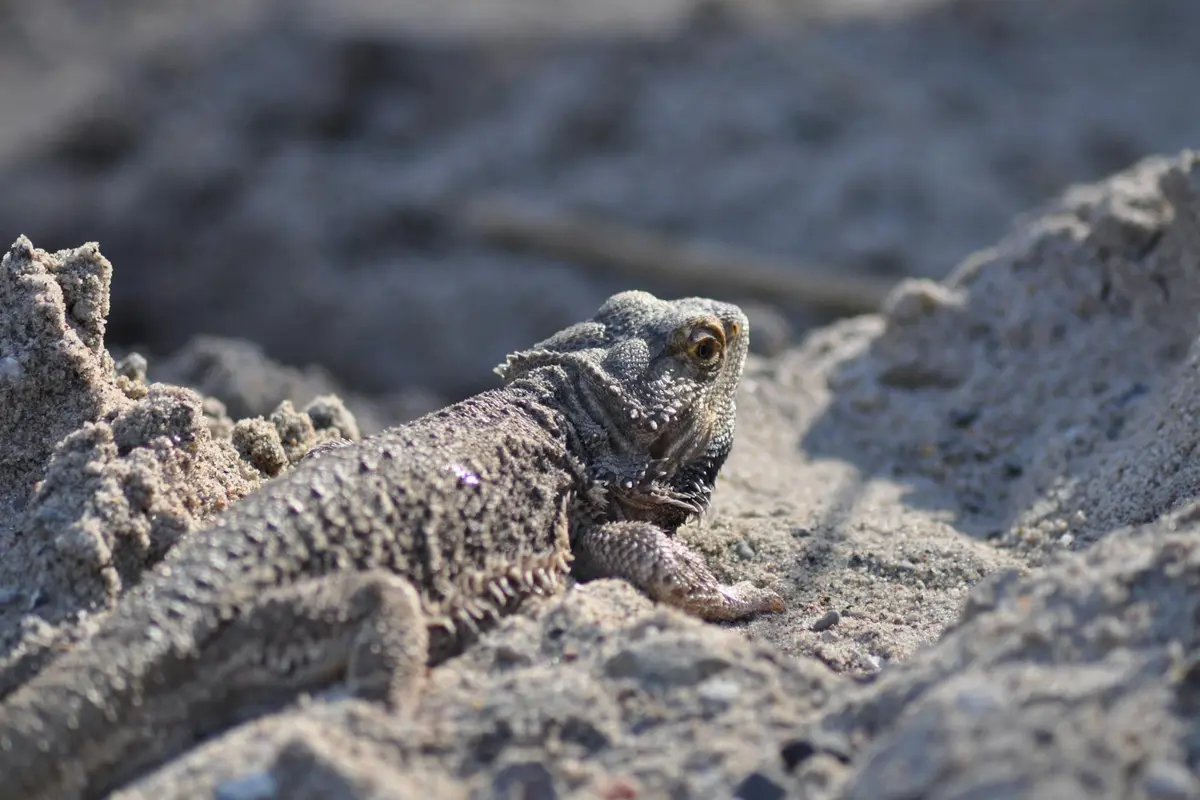
I’ve lost count of how many times a simple habitat tweak has completely transformed a dragon’s energy level. Getting their environment right is the absolute foundation for a happy, active beardie. Let’s walk through the key areas you need to check. Beyond the basics, enrichment ideas keep a beardie curious and active. Try adding new climbing branches, scent enrichment, and varied feeding puzzles to spark engagement.
Temperature and Lighting Essentials
Think of your dragon as a tiny, scaly solar panel. They run on external heat and light. If these are off, their whole system slows down.
- Your basking spot needs to be toasty. For adults, aim for 95-110°F (35-43°C). Baby dragons often like it a bit hotter, up to 110°F. The cool side of the tank should be a comfortable 75-85°F (24-29°C). This temperature gradient lets them self-regulate, moving to warm up or cool down as needed.
- UVB lighting is non-negotiable. Without it, they can’t process calcium properly, leading to metabolic bone disease and severe lethargy. Use a linear fluorescent tube (like a T5 or T8 HO) that covers at least half the enclosure’s length. Replace the bulb every 6-12 months, as the invisible UV output fades long before the light itself dies. Provide 12-14 hours of light followed by 10-12 hours of darkness to mimic a natural day cycle.
- Keep humidity between 30% and 40%. I use a simple digital hygrometer to keep track. Consistently high humidity can lead to respiratory infections, which will zap your dragon’s energy fast. If it’s too high, improve ventilation or use a smaller water bowl.
Enclosure Size and Enrichment
A bored dragon is often a lazy dragon. Their home should be a place for adventure, not just a box to live in.
- The absolute minimum enclosure size for an adult is a 75-gallon tank, but a 120-gallon (4x2x2 feet) is so much better. A small tank severely limits their ability to run, explore, and exhibit natural behaviors, directly impacting their activity level.
- Fill that space with fun! I always include sturdy branches for climbing, a hammock for basking, and even a slide or a ball without a bell. Rotating their toys and rearranging the decor every few weeks encourages curiosity and mental stimulation.
- Hiding spots are crucial for feeling secure. Provide at least one on the cool end. For substrate, skip loose sand for juveniles. I’m a big fan of slate tile or a textured non-adhesive liner; it’s safe, easy to clean, and helps file their nails down naturally.
Diet and Nutrition’s Role in Energy Levels
You are what you eat, and for a bearded dragon, the wrong food can lead to a serious energy crash. I’ve seen dragons perk up within days of a diet correction.
- Baby and juvenile dragons are growing machines and need a diet of about 80% live insects (like dubia roaches or crickets) and 20% fresh greens. As they mature into adults, this ratio flips; adults should eat around 80% veggies and 20% insects to stay fit and prevent obesity.
- Calcium is the secret sauce for muscle and nerve function. I lightly dust insects with a calcium powder (without vitamin D3) at almost every feeding for babies, and about 4-5 times a week for adults. Dehydration is a common and overlooked cause of lethargy; a warm bath twice a week often encourages them to drink and can work wonders for their mood.
- Never, ever feed fireflies or any glowing insects-they are highly toxic and fatal. Watch for picky eating, where they hold out for only their favorite bugs; this is a fast track to an imbalanced diet and a lethargic lizard. Be persistent with offering a variety of nutritious greens like collard, mustard, and dandelion greens.
Health Issues and When to Seek Veterinary Care
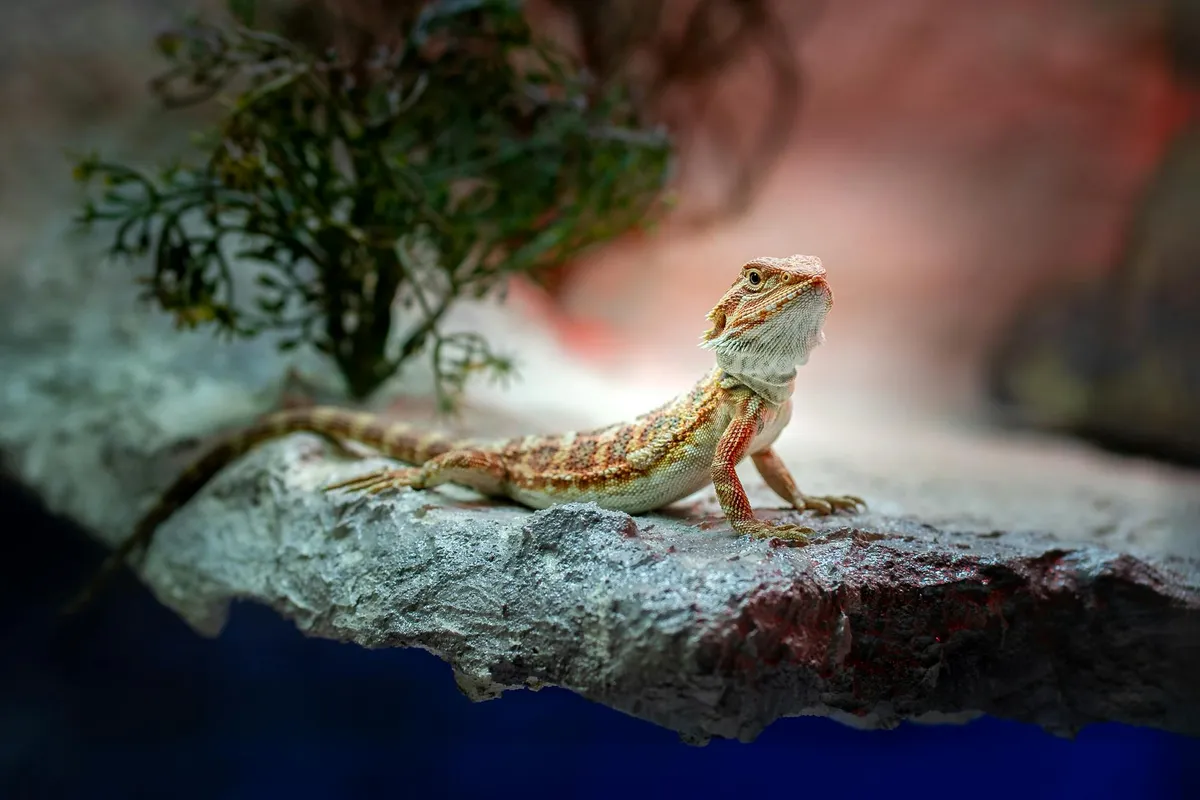
I’ve learned that a sudden drop in energy is often my dragon’s first way of telling me something is wrong. Lethargy is a common symptom for many underlying health problems, so it pays to be a good detective. You need to look for other clues that often accompany the tiredness.
Signs of Illness That Cause Lethargy
- A noticeable loss of weight or a hollow, sunken look to their fat pads on the head.
- Runny, unusually smelly, or discolored stools, or a complete lack of droppings.
- Labored breathing, wheezing, or mucus around the nose and mouth.
- Loss of appetite or refusing their favorite bugs for more than a couple of days.
- Swollen joints, limbs, or jaw, which can indicate metabolic bone disease.
- Keeping their eyes closed frequently when they are awake.
Your At-Home Health Check
If your dragon is acting off, don’t panic. Run through this quick check-list. A simple at-home assessment can give you vital information before you call the vet. I do this with my own beardies whenever I sense a change. Also, remember that some problems require a vet visit, so know when to seek professional care. Our guide covers when bearded dragons need checkups and what counts as an emergency.
- Check their weight: Use a small kitchen scale to track any sudden drops.
- Gently feel their body: Run your fingers along their belly, limbs, and tail, feeling for any unusual lumps or bumps.
- Look in their mouth: A healthy mouth is pink. Check for yellow cheesy-looking material, a sign of mouth rot.
- Observe their posture: Are they dragging their back legs? Is their body looking flatter than usual on the ground?
- Monitor their hydration: Gently pinch the skin on their side. If it doesn’t snap back quickly, they could be dehydrated.
When Lethargy is an Emergency
Trust your gut. You know your pet better than anyone. Any combination of lethargy with other severe symptoms means it’s time for professional help, not a wait-and-see approach. From my experience, these signs always warrant an immediate vet visit.
- Lethargy combined with visible injury or bleeding.
- If they have not pooped and you suspect a blockage (impactation).
- Seizures, trembling, or a complete inability to move their back legs.
- Prolonged lack of eating and drinking, especially in a young dragon.
- Any signs of respiratory distress, like open-mouth breathing.
Understanding Brumation and Shedding Cycles
Not every slowdown is a crisis. Sometimes, your dragon is just following its natural, ancient rhythms. Brumation is a reptile’s version of hibernation, a deep sleep that can last for weeks or even months. It’s completely normal for adult bearded dragons, but it can be scary for a first-time owner.
Brumation vs. Sickness
I confused brumation for sickness with my first dragon, Boris. The key difference is overall health. A brumating dragon is generally plump and healthy before slowing down, while a sick one will show other symptoms of illness. Here’s how to tell them apart.
- Brumation: They sleep for long periods but wake occasionally. They had a good weight and appetite beforehand. Their eyes are clear when open.
- Sickness: Lethargy is constant. It’s paired with weight loss, sunken eyes, and other signs we listed above.
The Shedding Slowdown
Shedding, or ecdysis, takes a lot of energy. The process of growing a new layer of skin and pushing the old one off is uncomfortable. You’ll often see a distinct dulling of their color and a grayish-white appearance to their skin right before a shed. They might seem grumpy and less active, and that’s okay.
Caring for Your Dragon During Natural Slowdowns
Your job during these times is to be a supportive caretaker, not to try and force them back to their normal selves. Providing a stress-free environment is the single most helpful thing you can do during brumation and shedding. Here is what has worked for me.
- For Brumation: Let them sleep. Reduce their light cycle to mimic winter. Offer water weekly by gently dripping it on their snout. Weigh them every couple of weeks to ensure they aren’t losing too much weight.
- For Shedding: Do not pull the skin off! Increase humidity slightly with a warm mist or a shallow bath. Provide rough surfaces like rocks or logs for them to rub against. Their appetite may dip; this is normal.
Practical Steps to Boost Your Bearded Dragon’s Activity
If your bearded dragon is lounging more than exploring, a few simple changes can make a big difference. Small adjustments to their environment and routine often kickstart their natural curiosity and energy. This is exactly the kind of tip you’ll find in our bearded dragon complete beginners guide. It walks new owners through setup, feeding, lighting, and daily care to keep their pet thriving.
Quick Checklist for Troubleshooting Low Energy
Run through this list first-it covers the most common reasons a dragon might be low on steam. Addressing these basics can resolve many activity issues before they become serious.
- Verify the basking area temperature is 95-110°F; too cool and they can’t properly digest food or generate energy.
- Check that the UVB bulb is working, isn’t older than 6 months, and isn’t blocked by screen tops or decorations.
- Look at their diet: are they eating a balanced mix of fresh greens and appropriately sized live insects?
- Observe for signs of illness, like weight loss, irregular poop, or persistent lethargy.
- Ensure the enclosure is large enough-a 40-gallon tank minimum for adults-with space to move and hide.
Enrichment Activities to Spark Interest
Once health is confirmed, introduce new experiences to engage their senses. Enrichment reduces boredom and encourages natural behaviors like climbing and exploring.
- Supervised exploration outside the enclosure: I let my dragons roam in a secure, warm room for 10-15 minutes daily, always watching for drafts or small spaces they could squeeze into.
- Add novel items like reptile-safe branches, ramps, or even a shallow dig box with clean soil or sand.
- Place live insects in a feeding ball or hide them under paper towels to simulate hunting.
- Rotate toys and décor weekly to keep the environment fresh and intriguing.
Schedule Adjustments for Feeding and Lighting
Bearded dragons thrive on consistency, but sometimes their schedule needs a tweak. A predictable day-night cycle and feeding routine support their internal clock and activity patterns. Choosing the best feeding time—typically mid-morning after basking—supports digestion and appetite. Keeping meals on a consistent schedule reinforces their routine.
- Set lights on a timer for 12-14 hours of light and 10-12 hours of darkness to mimic natural sunrise and sunset.
- Feed live insects in the morning when they’re most alert, and offer fresh greens later in the day.
- Adjust meal frequency based on age: juveniles eat insects 2-3 times daily, while adults do well with insects once daily and greens always available.
- Watch how your dragon responds-I’ve found mine perk up when I align feedings with the first hour of light.
Frequently Asked Questions
How does handling affect my bearded dragon’s activity level?
Proper, gentle handling can provide mental stimulation and encourage activity, but overhandling may cause stress and lead to lethargy. Always allow your dragon time to rest and observe their behavior to ensure they are comfortable. Knowing how to properly hold a bearded dragon is crucial to minimize stress and prevent overhandling.
Is it normal for a bearded dragon to have bursts of high energy?
Yes, sudden bursts of activity are common, especially in juveniles during feeding or exploration, but if it appears frantic or paired with signs like glass surfing, it could indicate stress or habitat issues. Monitor for consistency and other health cues.
What should I do if my bearded dragon is active at night?
Nighttime activity is unusual as bearded dragons are diurnal and should be asleep; this may result from improper lighting, stress, or underlying health problems. Ensure the enclosure is dark and quiet, and consult a veterinarian if it continues. For more information on their sleep patterns, visit Why is My Bearded Dragon Sleeping So Much and When to Worry.
Final Thoughts
Every bearded dragon has its own unique personality and energy level, so a “normal” amount of activity can look a little different for each one. The true key is knowing your dragon’s personal baseline and watching for any significant, lasting changes in their behavior. In addition, watch for physical signs that differentiate healthy vs sick bearded dragons—appetite, hydration, eye brightness, and posture are important indicators. A healthy dragon will have periods of both lively exploration and calm relaxation throughout the day.
If you notice a prolonged slump in activity, don’t panic. Start by methodically checking the fundamentals: temperatures, UVB lighting, diet, and habitat setup. Often, the solution is a simple adjustment. We owe it to these incredible pets to be their dedicated advocates, ensuring their environment supports a vibrant and active life.
Further Reading & Sources
- How to Play with a Bearded Dragon: Activities & Enrichment Ideas – Dragon’s Diet
- Playing with Your Bearded Dragon: Fun Activities & Tips | Petco
- Bearded dragon active: Ensure proper care now! – Total Bearded Dragon
Bearded Dragon Lair is the ultimate resource for bearded dragon enthusiasts, offering expert advice and practical tips to ensure the health and happiness of your scaly companion. With years of experience in reptile care, we are dedicated to providing accurate, up-to-date information to support your bearded dragon journey.
Signs of Illness