
Does a Bearded Dragon Bite Hurt? Bite Force and Pain Explained
Published on: August 10, 2026 | Last Updated: August 10, 2026
Written By: Beardie Joe
If you’ve ever flinched while handling your bearded dragon, worried a bite might feel like a needle prick, you’re asking the right question.
As an owner of several bearded dragons, I’ve felt their nibbles firsthand and I’m here to give you the real, no-nonsense scoop from my experience.
We’ll break down their actual bite force, compare the pain to common sensations, and share how to build a bond that makes biting a rare event.
Understanding Bearded Dragon Bite Mechanics
To understand the bite, you first need to know what you’re working with. A bearded dragon’s mouth isn’t built like a predator’s. They don’t have long, sharp fangs for tearing flesh. In terms of dental anatomy, bearded dragons have small, conical teeth arranged along the jaw to grip and process prey. This dental setup helps explain how their bite works.
Instead, they have a row of small, peg-like teeth that are fused to their jawbone. These teeth are perfect for gripping and crushing the hard shells of insects and for shearing through leafy greens. They aren’t designed to inflict deep, damaging wounds on large creatures like us.
I think of their bite more as a strong, sudden pinch than a true chomp. The real surprise isn’t the pain, but the pressure. Their jaw muscles are surprisingly powerful for their size.
What a Bite Feels Like
- A quick, sharp pinch, similar to a strong clothes peg snapping on your finger.
- A strong pressure that can make you gasp more from surprise than actual hurt.
- It might leave a small red mark or a slight indentation for a few minutes.
- You are far more likely to be scratched by a wiggling foot claw than seriously injured by their teeth.
From my own experience, the one time my adult dragon, Smaug, mistook my finger for a blueberry, the sensation was over in a second. The initial shock was the most significant part, followed by a mild soreness that faded faster than a paper cut.
The Actual Pain Level of a Lizard Bite
Let’s get straight to the point you’re wondering about. On a scale of 1 to 10, with 10 being the worst pain imaginable, a bearded dragon bite sits comfortably at a 1 or 2 for a healthy adult. Proper holding matters: support their chest and hind legs and keep them close to your body, avoiding long, frequent handling. It’s important to know how to properly hold a bearded dragon, and while it’s okay to handle them, not too much—give them breaks so they stay calm.
It’s a momentary discomfort. I’ve personally found that a accidental scrape from a rose thorn or a hot pan handle is far more painful and memorable.
Pain Scale Comparisons
- Baby Dragon Bite (0-1): Feels like a tiny, slightly rough tap. You might not even feel it through calloused skin.
- Juvenile Dragon Bite (1-2): A noticeable pinch, like snapping a rubber band against your skin.
- Adult Dragon Bite (2-3): The most significant you’ll likely experience. It’s a strong, pressured pinch that may leave a temporary mark.
The key thing to remember is that the intense pressure is fleeting, and true, lasting pain is exceptionally rare. It’s more of a startling event than a painful one. The vast majority of bites don’t even break the skin.
When It Might Hurt a Bit More
There are a few scenarios where the experience can be more intense, though still not severe.
- If they latch on and refuse to let go. This is very uncommon and usually happens due to extreme fear or a strong feeding response. The prolonged pressure can cause a deeper bruise.
- If you jerk your hand away quickly. This can cause a slight tearing sensation, much like a paper cut, which stings more than the bite itself.
- If you have very sensitive skin. A child or someone with a low pain tolerance might rate the experience higher.
In all my years of handling rescues and my own pets, I’ve never had a bite that required more than a quick rinse with soap and water. Your emotional reaction to the surprise of being bitten will almost always be stronger than the physical sensation.
Why Bearded Dragons Bite: Decoding the Behavior
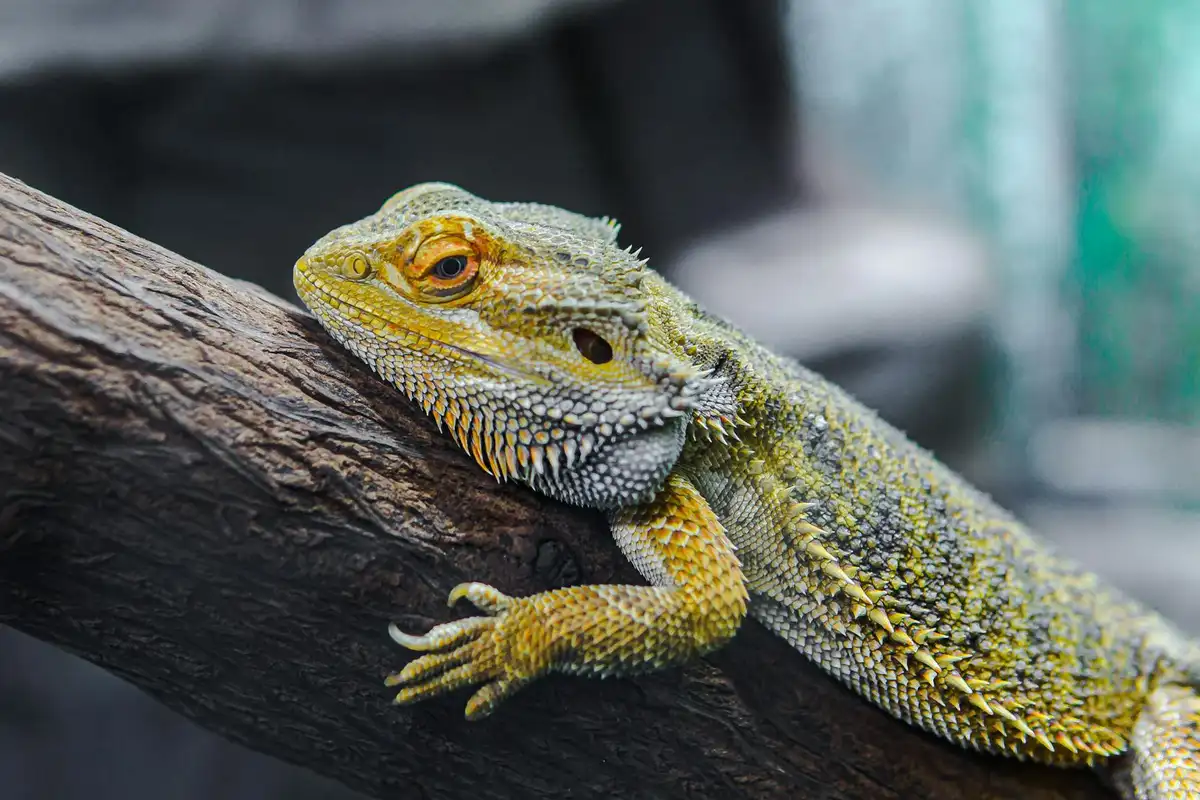
In my years of caring for these incredible reptiles, I’ve learned their bites are almost always a form of communication, not aggression. They’re telling you something is wrong in their world.
The Most Common Reasons for a Bite
- Fear or Self-Defense: This is the number one reason. A new dragon, or one that hasn’t been socialized, may see your giant hand as a predator. They puff up, turn black, and hiss as a final warning before a defensive nip.
- Mistaken Identity (Feeding Response): Your wiggling fingers can look a lot like the worms or crickets they love to eat. I always wash my hands thoroughly before handling to remove any lingering food smells.
- Stress or Discomfort: If you handle them too roughly, restrain them, or they’re already feeling unwell, a bite is their way of saying “enough!” Pay close attention to their body language; they’ll usually try to get away first.
- Hormones and Mating Season: Primarily seen in males, they can become more territorial and feisty during breeding season. Their tolerance for handling can drop significantly.
Understanding the ‘why’ is your first and most powerful step in preventing a bite from ever happening. It shifts the responsibility onto us as caregivers to read the signals correctly.
Preventing Nips and Bites with Proper Handling
Building a bond of trust is the ultimate goal. A bearded dragon that feels safe and secure with you is a bearded dragon that won’t feel the need to bite. To learn how to build that bond, check out our guide on gaining your bearded dragon’s trust.
Building Trust from Day One
- Let Them Acclimate: When you first bring your dragon home, give them at least a week to settle into their new enclosure with minimal handling.
- Start with Presence: Just sit by their tank and talk softly. Let them get used to your voice, your size, and your scent without any pressure.
- Move Slowly and Predictably: Always approach from the front and below their line of sight. Reaching down from above mimics a bird of prey, which can trigger their instinct to flee or fight.
Safe Handling Techniques
- Scoop, Don’t Grab: Gently slide your hand under their chest and front legs, using your other hand to support their back legs and tail. This makes them feel secure, not trapped.
- Respect Their Mood: If they are hiding, glass surfing, or showing a black beard, it’s not a good time for handling. Try again later when they are more relaxed.
- Hand-Feeding with Caution: Use feeding tongs for insects to avoid accidental nips. For veggies, you can place them in a bowl or offer them from your flat palm.
I’ve found that consistent, gentle handling for short periods builds a much stronger and safer relationship than infrequent, long sessions. It’s about quality, not quantity.
What to Do If a Bite Seems Imminent
- Stop whatever you are doing that is causing the stress.
- Pull your hand back slowly and calmly. No jerky movements.
- Give your dragon space and time to calm down. Trying to push through their warning signs is a surefire way to get bitten.
Remember, a bite is a last resort for them. If you pay attention, they will give you plenty of warnings long before their mouth ever opens.
First Aid and Treatment for Bite Injuries
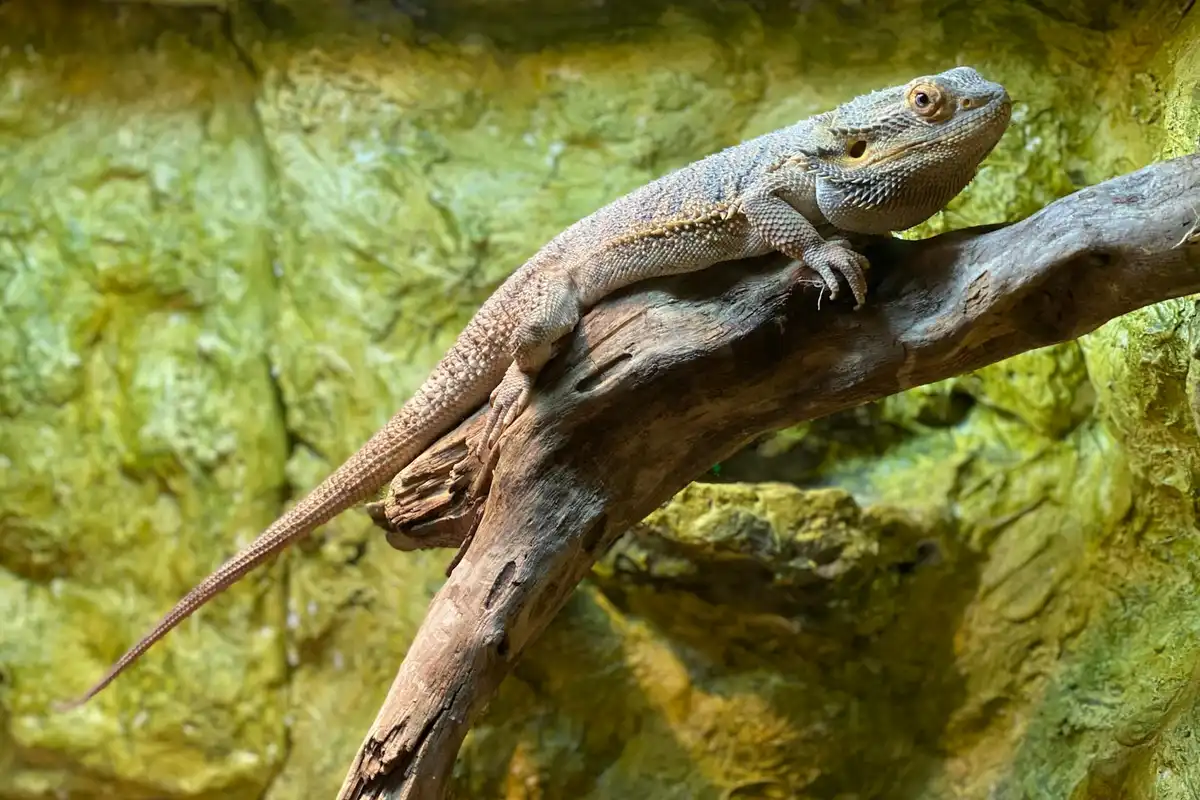
Even with the gentlest dragon, a bite can sometimes happen. The good news is that the treatment is almost always straightforward. Your first and most important step is to stay calm; a startled reaction can stress your dragon and worsen the situation.
Immediate Steps to Take
- Gently Release: If your dragon has latched on, do not pull or yank. This can damage their delicate jaw and tear your skin. Instead, gently place them on a flat surface and they will usually let go on their own. You can also try dripping a little water on their snout.
- Clean the Wound: Immediately wash the area thoroughly with warm water and soap. I keep a small reptile-first aid kit handy with antiseptic wipes for this exact reason.
- Apply Pressure: Use a clean cloth or gauze to apply gentle pressure if the bite is bleeding. Most small nicks will stop quickly.
- Use an Antibiotic Ointment: After cleaning, apply a thin layer of an over-the-counter antibiotic ointment like Neosporin to prevent infection.
- Bandage if Needed: A simple adhesive bandage is usually sufficient for a small puncture or scratch.
From my own experience, a surprise bite from a juvenile felt like a sharp pinch and left two tiny pinpricks that bled a little. Proper cleaning is non-negotiable, as a reptile’s mouth, like any animal’s, can harbor bacteria. I watched the area for a couple of days for any signs of redness or swelling, but it healed perfectly within a week.
When to See a Doctor
While rare, there are times when professional medical care is wise. Seek a doctor’s advice if:
- The bleeding does not stop after 10-15 minutes of direct pressure.
- The wound shows signs of infection: increasing redness, swelling, pus, or warmth.
- You develop a fever or feel unwell after the bite.
- The bite is deep, gaping, or on a sensitive area like your face.
Building a Bite-Free Bond Through Training and Socialization
The ultimate goal isn’t just to treat bites, but to prevent them from happening in the first place. A well-socialized bearded dragon is a confident and gentle pet. Building trust is a slow and rewarding process that fundamentally changes your relationship with your dragon. Many owners report that bearded dragons can bond with their humans and recognize familiar faces. When trust deepens, you may notice your dragon choosing to stay nearby or seek out your interaction, signaling attachment.
Effective Handling and Training Techniques
Patience is your most valuable tool. Start these practices when your dragon is young if possible.
- Move Slowly and Predictably: Avoid sudden, jerky movements above or around them. Let them see your hand approaching from the front, not from above like a predator.
- Hand-Feeding: This is the number one trust-building exercise. Offer favorite greens or a single worm from your open palm. They learn to associate your hand with positive things.
- Short, Positive Sessions: Begin with just 5-10 minutes of handling per day. Gently scoop them from below, supporting their entire body. If they seem stressed (dark beard, puffing up), return them to their enclosure and try again later.
- Read Their Body Language: A stressed dragon will often display a dark beard, open mouth (gaping), or flatten their body. Respect these signals and give them space.
Creating a Stress-Free Environment
Often, biting is a fear response, not aggression. Your dragon’s habitat plays a huge role in their overall temperament. If your dragon is escaping or acting oddly aggressive, that’s usually a sign of stress rather than true aggression. Understanding the triggers behind this behavior can help you adjust their setup and care.
- Proper Enclosure Size: An enclosure that is too small can cause stress and territorial behavior. An adult needs a 120-gallon tank as a minimum.
- Safe Hiding Spots: Ensure they have at least two secure hides (one on the warm side, one on the cool side) where they can retreat and feel safe.
- Correct Temperature and Lighting: Inconsistent temperatures or improper UVB lighting can make any reptile feel unwell and irritable.
I’ve raised several dragons from babies, and the ones that were handled consistently and with respect rarely even thought about biting. Your consistent, gentle presence teaches them that you are a source of safety and care, not a threat. It’s a beautiful thing to earn the trust of such a unique creature. Starting with a baby bearded dragon and continuing through its growth helps you bond from baby to adult. That long-term bond often leads to a calmer, more cooperative dragon as it reaches adulthood.
Frequently Asked Questions
Are bearded dragon bites dangerous or can they cause serious injury?
No, bearded dragon bites are not dangerous and rarely cause serious injury, as they lack venom and their teeth are not designed for deep wounds. Any minor puncture or scratch can be easily treated with basic cleaning and antiseptic care to prevent infection. While generally safe, it’s also important to understand the risks associated with bearded dragon bites and practice proper handling techniques.
How can I distinguish between a playful nip and an aggressive bite?
Bearded dragons do not typically bite playfully; any bite is a form of communication, often due to fear, stress, or mistaken identity. To learn more, check out do bearded dragons bite and why they might bite you. Aggressive bites are usually preceded by warning signs like puffing up, hissing, or a black beard, while accidental nips may occur during feeding without such cues.
What should I do if my bearded dragon seems afraid of me and might bite?
If your bearded dragon appears fearful, avoid handling it and give it space to reduce stress, while spending time nearby to let it acclimate to your presence. Gradually build trust through hand-feeding and slow, predictable movements to help it feel more secure and less likely to bite. For more tips, learn how to spot signs of stress and reduce their anxiety.
Final Thoughts
So, does a bearded dragon bite hurt? For the vast majority of owners, the answer is a resounding no. A bite from a juvenile or adult beardie is typically more of a surprise than a source of real pain, often compared to a sharp pinch. Their bite force isn’t designed to seriously injure, and understanding their gentle nature is key to preventing these rare events. Providing a healthy environment and proper care can also reduce stress, which might contribute to biting. Learn more about keeping your beardie stress-free and healthy.
Focus on building trust through calm, confident handling and learning your dragon’s unique body language. The most painful part of a bite is usually the momentary sting of realizing you startled your friend, not the bite itself. With patience, you’ll build a bond where biting isn’t even a consideration, letting you both enjoy a peaceful, rewarding companionship.
Further Reading & Sources
- r/BeardedDragons on Reddit: How Strong is the Bite of a Bearded Dragon
- Do Bearded Dragons Bite? Is It Dangerous? – A-Z Animals
- Bearded Dragons Bite: How Hard and What It Means for You
Bearded Dragon Lair is the ultimate resource for bearded dragon enthusiasts, offering expert advice and practical tips to ensure the health and happiness of your scaly companion. With years of experience in reptile care, we are dedicated to providing accurate, up-to-date information to support your bearded dragon journey.
Handling Best Practices