Can Bearded Dragons Eat Swiss Chard? (Green, Red, and Rainbow Varieties Explained)
Published on: September 12, 2026 | Last Updated: September 12, 2026
Written By: Beardie Joe
You’re holding a vibrant bunch of Swiss chard and wondering if it’s a safe, healthy choice for your scaly friend.
As a long-time bearded dragon owner, I’ve navigated these exact questions and I’m here to help you make an informed decision for your pet’s well-being.
We’ll explore the nutritional pros and cons of Swiss chard, break down the differences between green, red, and rainbow varieties, and give you clear, safe feeding guidelines.
Swiss Chard Nutrition: What’s Inside for Your Bearded Dragon
When I look at a bunch of Swiss chard, I see a powerhouse of vitamins, but I also see a complicated choice for my beardies. Let’s break down what’s really in those vibrant leaves.
Swiss chard is absolutely loaded with Vitamin A and Vitamin K. This high Vitamin A content is fantastic for your dragon’s vision, skin health, and immune system function. It’s one of the main benefits that makes this green seem so attractive.
You’ll also find a decent amount of these nutrients:
- Calcium: Crucial for strong bones and preventing Metabolic Bone Disease.
- Iron: Supports healthy blood.
- Fiber: Aids in good digestion.
- Antioxidants: Help combat cellular damage.
But here’s the catch that I’ve learned from years of feeding. The critical calcium-to-phosphorus ratio in Swiss chard is where the first red flag appears. Beardies need more calcium than phosphorus in their food to absorb the calcium properly. Swiss chard has a ratio of about 1.6:1 (Calcium:Phosphorus), which isn’t terrible, but it’s not the ideal 2:1 we aim for. Understanding the right amount of calcium is crucial for their health.
Is Swiss Chard Safe? Understanding Oxalates and Risks
This is the most important part of the conversation. The primary concern with Swiss chard isn’t its vitamin profile-it’s the oxalates.
Oxalates, or oxalic acid, are natural compounds found in many plants. In your bearded dragon’s body, oxalates bind to calcium, forming calcium oxalate crystals that cannot be absorbed. For bearded dragons, spinach is a well-known high-oxalate food. Feeding it regularly can worsen calcium absorption and contribute to the calcium-oxalate problem explained. This means that even though the food contains calcium, your pet can’t use it. Over time, a diet high in oxalates can contribute to calcium deficiency and Metabolic Bone Disease (MBD), a serious and painful condition.
Swiss chard is considered a high-oxalate green. I think of it like a food that offers a gift (calcium) with one hand but immediately takes it back (with oxalates) with the other.
Here is how I manage the risk in my own reptile room:
- I treat Swiss chard strictly as an occasional “once-in-a-while” food, not a staple. It might appear in a salad mix once a month at most.
- I never feed it to my growing juveniles or gravid (egg-carrying) females, as their calcium demands are too high to risk any binding.
- When I do offer it, I make sure the rest of the meal is full of low-oxalate staples like dandelion greens or collard greens to balance it out.
The variety-green, red, or rainbow-doesn’t significantly change the oxalate content. All types of Swiss chard carry the same fundamental risk due to their oxalic acid levels. The colorful stems are fun for us to look at, but for your dragon, the nutritional implications are the same across the board.
Feeding Swiss Chard: Daily Guidelines for Juveniles and Adults
Getting the portion size right is key to safely offering this leafy green. Overdoing it is where most owners run into trouble. My personal rule of thumb is to treat Swiss chard like a guest star in the salad bowl, not the main event. I’ve seen firsthand how relying on it too heavily can lead to nutritional issues over time.
For Juvenile Bearded Dragons (Under 12 Months)
Babies are growing rapidly and need a diet focused on protein. Their greens are for supplemental nutrition and hydration.
- Offer Swiss chard no more than once every 10-14 days.
- When you do offer it, provide just one or two small, finely chopped leaves mixed thoroughly with their staple greens.
- The total amount of Swiss chard should make up less than 5% of their entire vegetable mix for that feeding.
For Adult Bearded Dragons (Over 12 Months)
Adults have a diet that is 80% vegetation and 20% insects, giving you more room for variety.
- You can offer Swiss chard slightly more often, about once a week.
- A good portion is one or two large leaves, chopped, per feeding.
- Always mix it with 3-4 other certified staple greens like collard greens, dandelion greens, or bok choy.
Think of their meal as a colorful mosaic. The goal is to create a diverse mix where no single “sometimes” food, like Swiss chard, dominates the plate. This rotation is your best defense against the negative effects of oxalates.
Green vs. Red vs. Rainbow Chard: Any Difference for Your Pet?
Walking through the grocery store, you’ll see bundles of vibrant green chard, deep red chard, and stunning rainbow chard with colorful stems. It’s a beautiful sight, but does the color change what’s in it for your dragon? Bearded dragons, like all pets, use color changes as signals—temperature, mood, or health. Learning what those colors mean helps you know when your dragon is comfortable or needs care.
The short answer is: not in any significant way. All varieties of Swiss chard contain similar levels of oxalic acid, which is the primary nutrient of concern for reptile keepers. The different colors come from natural pigments like betalains (in the red and yellow stems) and chlorophyll, but the underlying nutritional profile, including that tricky oxalate content, remains largely the same.
From my experience, the main difference is purely aesthetic and for our own enjoyment.
- Green Chard: The most common. It has dark green leaves and white stems.
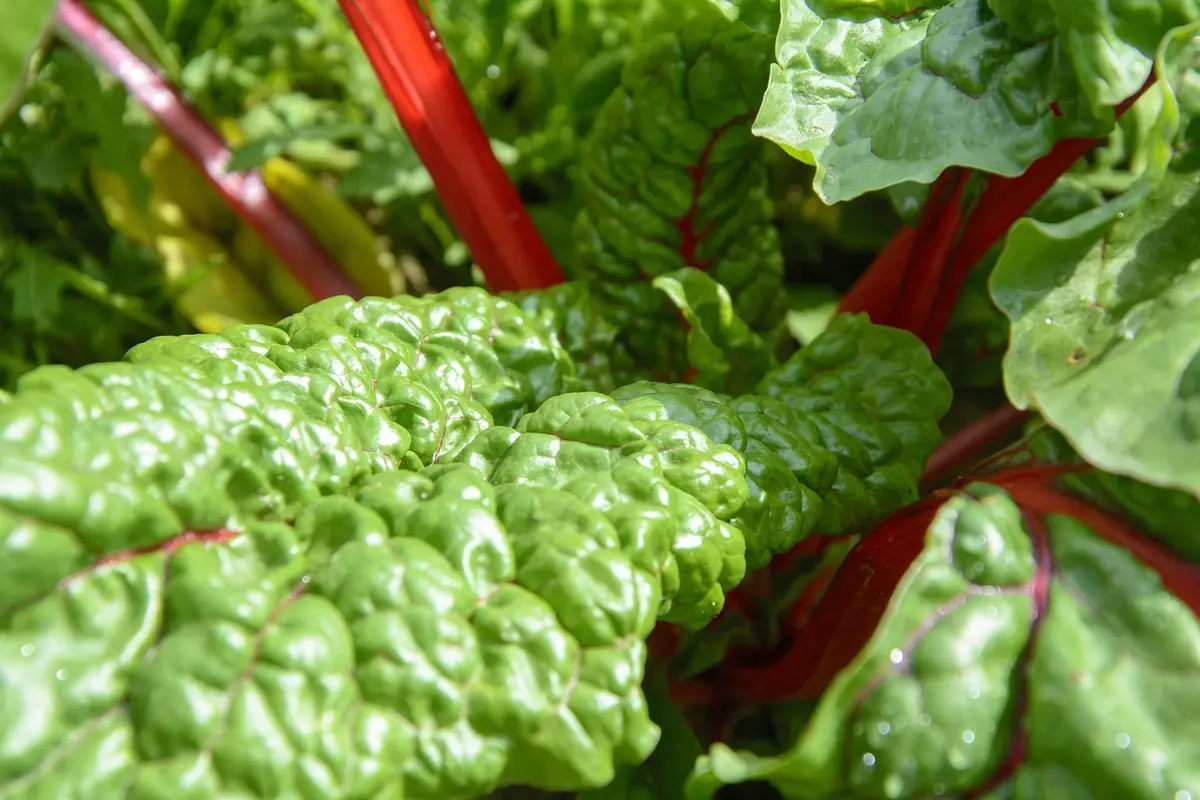
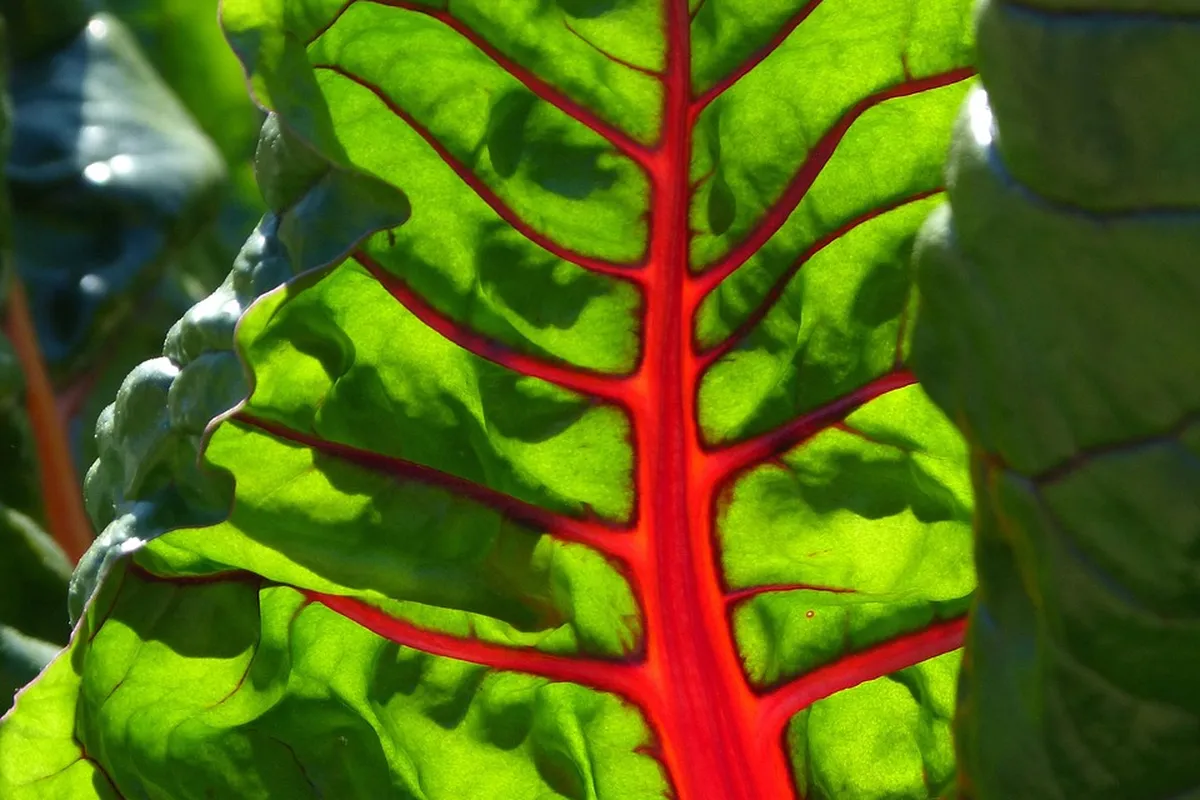
- Red Chard: Features vibrant crimson stems and veins with dark green leaves.
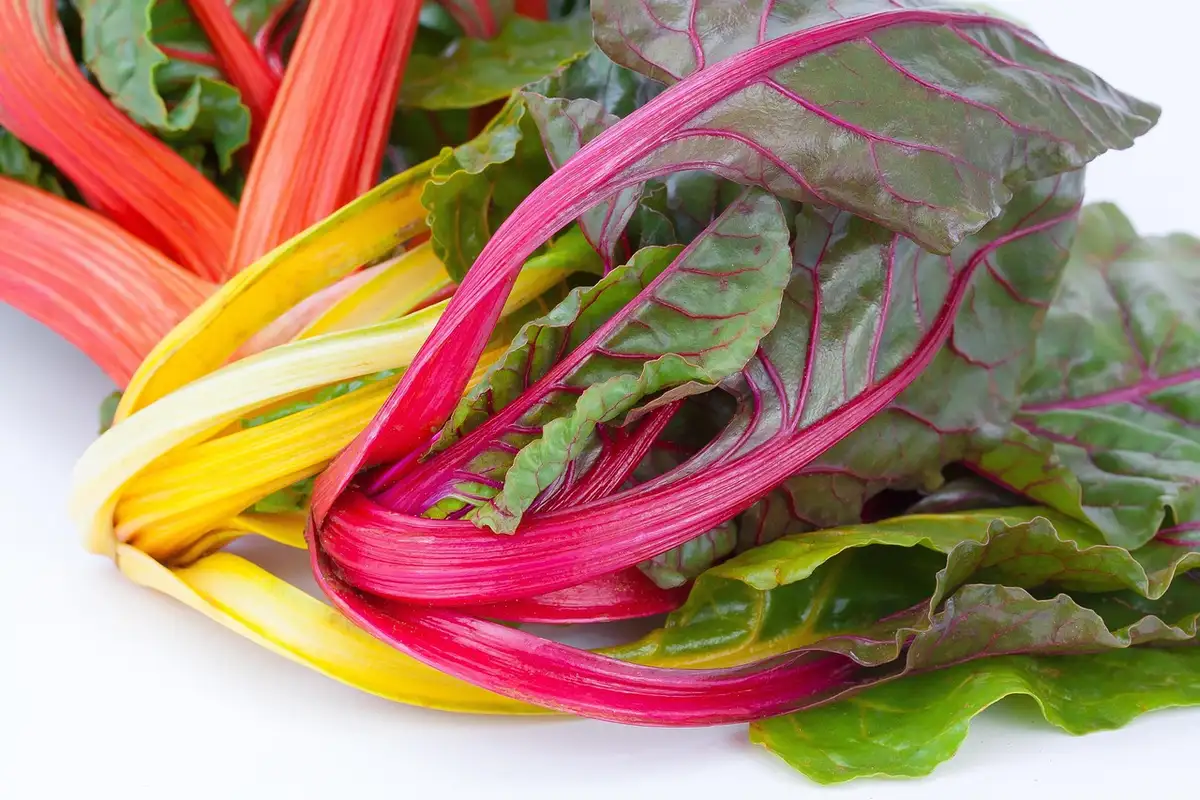
- Rainbow Chard: This isn’t a separate species. It’s simply a bundled harvest of different colored chard varieties, typically with red, yellow, pink, and orange stems.
I sometimes buy rainbow chard because the colorful stems make me happy, and I feel like I’m offering a more visually interesting meal. Your bearded dragon likely doesn’t care about the color, but a varied and colorful diet is often a sign of good nutritional balance. If your bearded dragon won’t eat greens, try offering a variety of greens and preparing them in small, bite-sized pieces to entice feeding. With patience and consistent offering, many dragons start taking greens. Just remember that no matter how pretty it is, the feeding guidelines for all types of Swiss chard are identical. Rotate them all equally with safer, staple greens.
How to Prepare Swiss Chard: Washing and Chopping Steps
Getting Swiss chard ready for your dragon is a simple process, but you don’t want to skip any steps. Proper preparation is your first line of defense against any potential contaminants that could harm your pet. I’ve followed this exact routine for years with all my leafy greens. In my leaves bearded dragons eat guide, I also break down safe versus toxic varieties so you can feed confidently. This simple prep routine translates to choosing the right greens every time.
- Select the Best Leaves: Start by picking vibrant, crisp leaves. Avoid any that are wilted, slimy, or have yellow or brown spots.
- Rinse Thoroughly: Hold each leaf under cool, running water. Rub the front and back of the leaf gently with your fingers to dislodge any dirt, tiny bugs, or pesticide residue.
- Soak in a Vinegar Bath (Optional but Recommended): For extra peace of mind, I fill a clean bowl with a mixture of one part white vinegar to three parts water. Let the leaves soak for 10-15 minutes, then give them one final rinse under running water.
- Dry Completely: Use a salad spinner or pat the leaves dry with a clean paper towel. Excess water can cause runny stools in bearded dragons.
- Chop Appropriately: Stack the dry leaves, roll them up, and slice them into tiny, bite-sized pieces. The pieces should be no larger than the space between your bearded dragon’s eyes to prevent a choking hazard. This is a rule I use for all my dragons’ veggies.
Better Leafy Greens: Safe Alternatives to Swiss Chard
While Swiss chard can be used sparingly, I personally rely on a core group of other greens for my dragons’ daily meals. Building their diet around these more reliable staples ensures they get the right nutrients without the risks associated with oxalates. It makes meal planning so much simpler and safer. For bearded dragons, these best safe staple foods form the backbone of their diet, with occasional treats to keep things interesting.
Here are my go-to leafy greens that form the foundation of a healthy diet:
- Collard Greens: A top-tier staple. They are low in oxalates and packed with calcium and Vitamin A.
- Mustard Greens: Another excellent daily green that offers great nutritional value and is readily accepted by most dragons.
- Dandelion Greens: Don’t overlook these! They are a powerhouse of calcium and other vitamins. Just be 100% sure they are from a source that hasn’t been treated with chemicals.
- Endive / Escarole: A fantastic, slightly bitter green that is low in oxalates and a great way to add variety.
- Turnip Greens: These are a wonderful option, often ranking very high on reptile nutrition charts for their calcium content.
To give you a clear picture, here’s a quick comparison of how these alternatives stack up against Swiss chard.
| Green | Calcium to Phosphorus Ratio | Oxalate Level | Feeding Frequency |
|---|---|---|---|
| Collard Greens | 14.5:1 (Excellent) | Low | Daily Staple |
| Mustard Greens | 2.4:1 (Good) | Low | Daily Staple |
| Swiss Chard | 1.6:1 (Poor) | High | Rare Treat |
| Dandelion Greens | 2.8:1 (Good) | Low | Daily Staple |
You’ll notice that spinach is conspicuously absent from my recommended list, and for good reason. It has even higher levels of oxalates than Swiss chard, which bind to calcium very aggressively. I never feed it to my dragons, and I suggest you avoid it entirely as well. Stick with the proven winners for a happy, healthy pet. This approach fits into my greens bearded dragons eat complete safe unsafe list, which categorizes greens by safety and calcium impact. Using that list helps you quickly choose safe greens for a calcium-balanced diet.
Frequently Asked Questions
Can I feed Swiss chard if I also dust it with calcium powder?
While calcium powder is essential, it is not a perfect solution for high-oxalate foods like Swiss chard. The oxalates will still bind to the calcium in the powder, making a portion of it unusable for your dragon, which is why it’s best to rely on low-oxalate staple greens for their primary calcium intake, rather than just depending on calcium powder.
Does cooking Swiss chard make it safer for my bearded dragon?
No, cooking does not significantly reduce the oxalate content to a safe level for regular feeding. It is best to continue offering Swiss chard only as an occasional, raw treat and to focus on proven, safe staple greens for their daily diet.
What are the long-term effects of feeding Swiss chard too often?
Consistently feeding high-oxalate greens like Swiss chard can contribute to calcium deficiency over time, increasing the risk of Metabolic Bone Disease (MBD), a serious and debilitating condition that affects bone strength and overall health.
The Bottom Line on Swiss Chard
While a tiny, occasional piece of Swiss chard won’t spell disaster, it’s a vegetable I personally avoid feeding my dragons. The high oxalate content binds to calcium, making it a poor choice for a species that needs all the calcium it can get. With so many other fantastic, low-oxalate greens available, it’s simply not worth the nutritional gamble for a staple food. For the ultimate safe food list for bearded dragons, prioritize low-oxalate greens and safe fruits. Swiss chard generally doesn’t belong on that list due to its oxalate load.
Stick to proven winners like collard, mustard, and dandelion greens for their daily salads. Rotating through these safer options provides the variety and vital nutrients your bearded dragon needs to truly thrive. Your dragon’s strong bones and vibrant health will thank you for making the smarter leafy choice. For a complete guide on what greens bearded dragons can safely eat, including collard and mustard greens, see our safe greens guide. It covers serving sizes, calcium balance, and rotation tips.
Further Reading & Sources
- r/BeardedDragons on Reddit: I messed up… help?
- Help ASAP. | Bearded Dragon Forum
- Feeding Bearded Dragons | VCA Animal Hospitals
Bearded Dragon Lair is the ultimate resource for bearded dragon enthusiasts, offering expert advice and practical tips to ensure the health and happiness of your scaly companion. With years of experience in reptile care, we are dedicated to providing accurate, up-to-date information to support your bearded dragon journey.
Feeding Guidelines