Can Bearded Dragons Eat Pumpkin? A Complete Guide to Seeds, Guts, and Preparation
Published on: January 2, 2026 | Last Updated: January 2, 2026
Written By: Beardie Joe
You’re probably looking at that festive pumpkin and wondering if it’s a safe snack to share with your scaly friend.
As a dedicated owner of multiple bearded dragons, I’ve personally navigated these exact questions to ensure my pets thrive.
This guide will walk you through the safety of seeds, the nutritional value of the guts, and the correct way to prepare pumpkin for your dragon.
Pumpkin Safety for Bearded Dragons: The Quick Answer
Yes, your bearded dragon can absolutely eat pumpkin. This seasonal squash is a safe and generally healthy treat when prepared correctly and fed in strict moderation. For a fuller squash and zucchini guide, pumpkin is listed among the safe varieties and should be fed as part of a varied diet. It also covers zucchini and other squash options to keep feeding interesting and balanced. I offer it to my own dragons a few times during the fall season, and they always get excited by the bright orange color. Think of it as a special occasion food, not a staple.
Nutritional Breakdown: What Pumpkin Offers Your Bearded Dragon
Pumpkin is more than just a festive decoration; it’s packed with nutrients that can benefit your scaly friend. But like many good things, it comes with a few caveats you need to know.
The Good: Vitamins, Hydration, and Digestive Health
The flesh of the pumpkin is where the real nutritional value lies for your beardie. When you serve a small, plain piece, you’re giving them:
- Vitamin A: Crucial for healthy vision, skin, and immune function.
- Fiber: This is a big one. The high fiber content helps promote healthy digestion and can help prevent constipation.
- Hydration: Pumpkin has a high water content, which is a great way to supplement your dragon’s water intake, especially if they are reluctant to drink from a bowl.
- Antioxidants: Helps combat cellular damage and supports overall health.
From my experience, a tiny bit of pumpkin can act as a gentle digestive regulator if your dragon seems a little backed up. It’s a more natural option I prefer over other remedies. If your bearded dragon isn’t eating, constipation can be one possible cause to check for, and addressing it may help restore appetite. Understanding common causes and practical solutions can help you decide what to try next.
The Cautions: Sugar Content and Vitamin A Balance
This is the part where we have to be responsible pet owners. The benefits are great, but you must be aware of the downsides to feed pumpkin safely.
- High Sugar Content: Pumpkin is naturally high in sugar. In the wild, bearded dragons don’t consume sugary fruits or vegetables often. Too much sugar can lead to obesity, digestive upset like diarrhea, and long-term health issues.
- Vitamin A Imbalance: This is a nuanced but critical point. While Vitamin A is essential, pumpkin provides it in the form of beta-carotene. A dragon’s body must convert this into the usable form of Vitamin A. Feeding pumpkin alongside commercial pellets or supplements that already contain pre-formed Vitamin A can potentially lead to a dangerous overdose over time.
- Improper Ratios: Pumpkin should never displace the core of your dragon’s diet-their staple greens and live insects. It throws off the crucial protein-to-plant ratio they need to thrive.
The golden rule I follow is to treat pumpkin like candy: a very small, infrequent treat that makes for a happy, but still very healthy, dragon.
Preparing Pumpkin for Your Bearded Dragon: A Step-by-Step Guide
What Parts of the Pumpkin Are Safe?
Not all parts of a pumpkin are created equal in the eyes of your bearded dragon. I always treat the pumpkin like I would any other squash from my own plate, being very selective about what I serve. As noted in a complete feeding guide on bearded dragons and vegetables, pumpkin should be offered as a treat rather than a staple. Pair it with a variety of leafy greens to keep the diet balanced.
The soft, orange flesh is the main event and the only part you should consistently offer. This is the nutrient-rich, hydrating part of the vegetable that provides the most benefit.
Here is a quick breakdown of what’s safe and what to avoid:
- Safe: Cooked and Mashed Flesh – This is the easiest for them to eat and digest. Steaming is my preferred method as it preserves the most nutrients without adding fats.
- Safe (with caution): Raw, Grated Flesh – Finely grated raw pumpkin can be offered, but I find it’s often a bit too tough and fibrous for them to manage easily.
- Unsafe: The Stem and Skin – These parts are far too tough, pose a serious choking hazard, and are impossible for their digestive systems to break down.
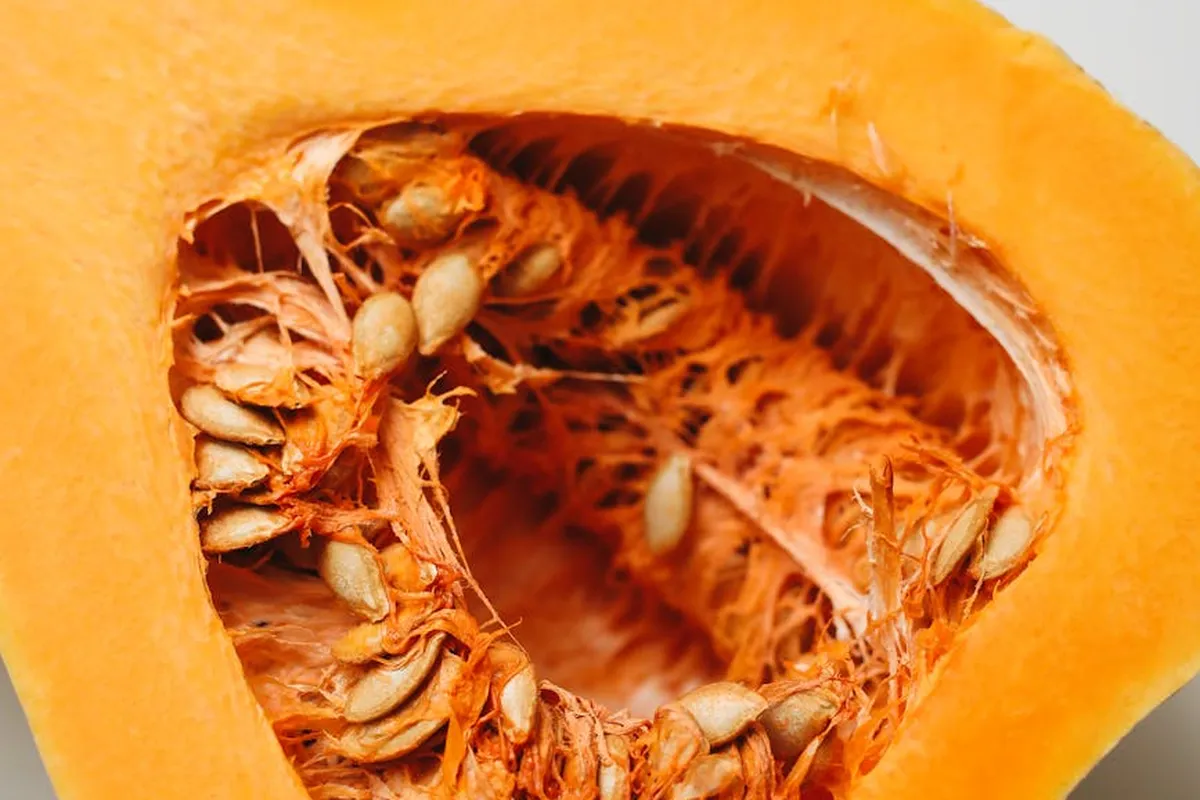
- Unsafe: Pumpkin Guts and Seeds – The stringy innards and seeds are a major impaction risk. I never, ever feed these to my dragons.
My Simple Preparation Steps
- Select a small, fresh sugar pumpkin or a piece of a larger one. Organic is best to avoid pesticides.
- Thoroughly wash the outer skin, even though you won’t be feeding it, to remove any dirt or residues.
- Carefully cut the pumpkin in half and use a spoon to scoop out and discard all the seeds and stringy guts.
- Cut a small slice of the firm flesh away from the tough outer skin.
- Cube the flesh and steam it for 10-15 minutes until it’s very soft and easily pierced with a fork.
- Let it cool completely to room temperature. I always test the temperature on my wrist-if it’s warm to me, it’s too warm for them.
- Mash the cooked pumpkin with a fork. You want a soft, puree-like consistency that’s easy for them to lap up.
Feeding Pumpkin to Your Bearded Dragon: Portion and Frequency
Pumpkin is a treat, not a staple. I think of it like a special dessert for my dragons. Overdoing it can lead to digestive upset and nutritional imbalances because it doesn’t have the full profile of their primary greens.
A good rule of thumb is to keep pumpkin to less than 10% of their total vegetable intake for the week. This ensures they are still getting the bulk of their nutrition from more suitable greens like collard, mustard, and dandelion greens.
Mixing Pumpkin into a Balanced Diet
The best way to feed pumpkin is as a small component of a larger, nutrient-dense salad. This prevents them from just picking out the “good stuff” and encourages a more balanced diet.
Here is how I incorporate it into my dragons’ meals:
- For an adult dragon, a teaspoon of mashed pumpkin mixed into their regular salad once every week or two is perfect.
- For a juvenile, a tiny dab (about half a teaspoon) once every two weeks is sufficient, as their primary focus needs to be on protein from insects.
- I often mix the mashed pumpkin with a bit of water to create a “dressing” that coats their staple greens, making the entire meal more appealing.
Observing your dragon’s droppings after introducing a new food like pumpkin is a key part of responsible ownership. It tells you everything about how their system is handling it. This same approach applies to other common staples in a dragon’s diet, like carrots (often fed raw) and leafy greens. Feeding frequency matters for growth and digestion, so observe droppings as you adjust how often you offer these foods.
Pumpkin Alternatives and Occasional Treats
If your dragon goes crazy for pumpkin, that’s great! But it’s smart to have a roster of other safe, occasional treats to provide variety and prevent boredom. Think of the best food for a bearded dragon as a mix of safe staples—greens and insects—with occasional treats. This approach keeps meals varied and healthy.
Variety is the spice of life, and offering a rotation of different veggies helps ensure a broader spectrum of vitamins and minerals. I like to rotate through these options so my dragons’ meals are never boring.
Here are some of my go-to alternatives that are similar in texture or nutritional value to pumpkin:
- Butternut Squash – This is my number one alternative. It’s similar to pumpkin but often has a slightly better calcium-to-phosphorus ratio. Grated raw or cooked and mashed works wonderfully.
- Acorn Squash – Another great squash option that is soft and easy to prepare once cooked.
- Yellow Summer Squash & Zucchini – These are softer and can be offered raw, grated finely. They have a high water content, so they are very hydrating.
- Grated Carrots – A fantastic source of beta-carotene, just like pumpkin. Feed sparingly as a treat due to sugar content.
- Bell Peppers – Red, yellow, and orange bells are sweet and packed with Vitamin C. I finely chop them and sprinkle them on top of salads for a color boost.
Remember, the foundation of a healthy bearded dragon’s diet will always be their staple leafy greens and appropriate insects. These colorful squash and vegetable treats are just the supporting actors that make the main show more enjoyable. For a complete guide on safe foods for bearded dragons, learn what’s suitable and how to offer it. This guide also covers portions and feeding frequency.
Frequently Asked Questions
Can I feed my bearded dragon pumpkin from a jack-o’-lantern carving?
No, it’s not safe to use pumpkin from a carving, as it may have been exposed to bacteria, mold, or contaminants while sitting out. Always offer fresh, properly prepared pumpkin flesh to ensure your dragon’s health.
Is it okay to dress my bearded dragon in a pumpkin costume?
While festive, costumes can cause stress, restrict movement, or pose a choking hazard if chewed. It’s best to avoid dressing up your bearded dragon to prevent any discomfort or potential injury. Likewise, bearded dragons should avoid toxic foods. A concise eating guide helps you know what to avoid.
Can I use canned pumpkin puree or baby food for my bearded dragon?
Only use 100% pure pumpkin puree with no added sugars, salts, or spices, and even then, fresh is preferred for better control. Avoid pumpkin pie fillings or baby foods with additives, as they can be harmful to your dragon. This tip is part of a complete, safe feeding guide on which fruits bearded dragons can eat. Fruits should be offered in moderation and balanced with leafy greens and appropriate protein sources.
Final Verdict on Pumpkin for Your Bearded Dragon
So, can your bearded dragon eat pumpkin? Absolutely. The simple, cooked flesh of the pumpkin is a safe and hydrating occasional treat that my own dragons get excited for. Pumpkin is just one item on the broader fruits and vegetables that bearded dragons can safely eat. If you want a full list, check out the ultimate safe food list covering fruits and vegetables for bearded dragons. Just remember to serve it plain, cooked, and in small, manageable pieces to avoid any digestive upset.
Always skip the seeds and guts, as they present choking and impaction risks that aren’t worth taking. Pumpkin should be a fun, seasonal supplement to their diet, not a replacement for their staple greens and live feeders. Offering it this way lets your dragon enjoy the festivities safely. For bearded dragons, lettuce is a common, safe green when used correctly, as outlined in our bearded dragons eat lettuce guide. Stick to the recommended greens and rotate them to support balanced nutrition.
Further Reading & Sources
- Can Bearded Dragons Eat Pumpkin? – Dragon’s Diet
- r/BeardedDragons on Reddit: Can bearded dragons eat pumpkins?
- canned pumpkin | Feeding
Bearded Dragon Lair is the ultimate resource for bearded dragon enthusiasts, offering expert advice and practical tips to ensure the health and happiness of your scaly companion. With years of experience in reptile care, we are dedicated to providing accurate, up-to-date information to support your bearded dragon journey.
Feeding Guidelines