Can Bearded Dragons Eat Peas? A Guide to Peas, Snap Peas, and Isopods
Published on: January 9, 2026 | Last Updated: January 9, 2026
Written By: Beardie Joe
You’re likely eyeing that bag of peas and wondering if it’s a safe, healthy choice for your scaly friend.
As someone who has raised bearded dragons for years, I can help you navigate their diet with confidence and care.
We’ll cover the truth about feeding peas, compare snap peas, and even discuss the role of isopods for a well-rounded diet.
The Straight Answer: Can Bearded Dragons Eat Peas?
Yes, bearded dragons can eat peas. Peas are a safe, occasional treat for your bearded dragon, but they should never become a regular part of their salad bowl. Think of them like a piece of candy for us—fine in tiny amounts on rare occasions, but not a health food. This aligns with the ultimate safe food list for fruits and vegetables that bearded dragons eat. For more safe options, see the full guide.
Here are the key safety points to remember:
- Serve peas raw or thoroughly thawed from frozen. Never cooked or canned, as these often contain salt.
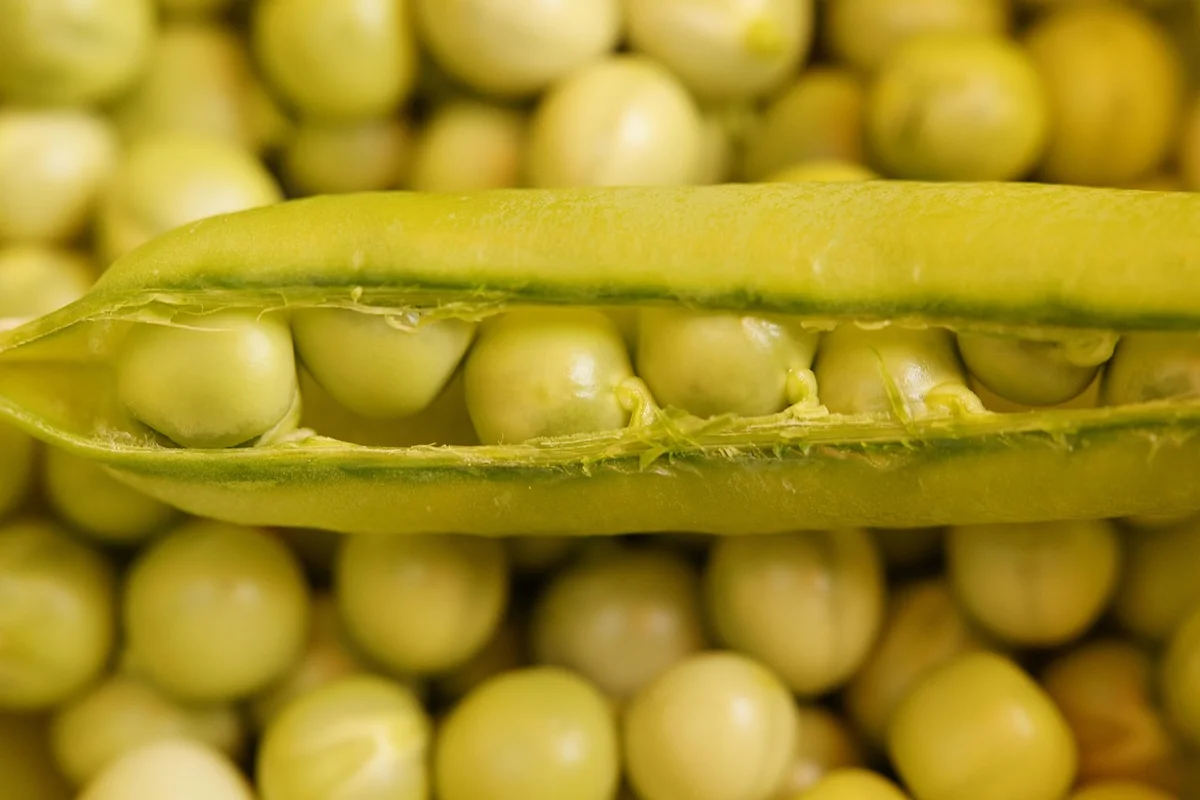
- Always remove peas from their pod. The pod is fibrous and difficult for them to digest.
- Mash or split the pea in half for younger, smaller dragons to prevent a choking hazard.
- Limit this treat to a few peas once or twice a month at most.
From my own experience, my dragon, Smaug, gets a couple of peas maybe once a month mixed into a big pile of dandelion greens and bell peppers. He always gobbles them up first, which tells me they’re a high-value snack in his eyes. I’ve never had any digestive issues, but I am very strict about that once-a-month rule. Bearded dragon care guides often list collard greens and mustard greens as safe greens to rotate in. They pair well with dandelion greens.
Nutritional Breakdown: What’s in Peas for Your Dragon?
Peas pack a surprising nutritional punch, but it’s a mixed bag for our scaly friends. Understanding this profile helps us see why they are a “sometimes” food and not a staple. Here’s a quick look at how different pea types stack up nutritionally per 100 grams.
| Nutrient | Green Peas (Raw) | Snow Peas (Raw) | Snap Peas (Raw) |
|---|---|---|---|
| Calcium | 25 mg | 43 mg | 36 mg |
| Phosphorus | 108 mg | 53 mg | 63 mg |
| Calcium:Phosphorus Ratio | 1:4.3 | 1:1.2 | 1:1.75 |
| Vitamin A (IU) | 765 IU | 1087 IU | 1995 IU |
| Fiber | 5.1 g | 2.6 g | 2.6 g |
For an omnivorous reptile, we are always chasing the perfect balance of vitamins and minerals to support bone health, organ function, and digestion. Peas contribute some beneficial fiber and vitamins, but their mineral ratios require careful management within the overall diet.
Calcium and Phosphorus Balance in Peas
The calcium-to-phosphorus ratio is arguably the most critical number in bearded dragon nutrition. We aim for a diet where calcium is at least equal to, or ideally double, the amount of phosphorus. Phosphorus binds with calcium in the gut and prevents its absorption, which can lead to Metabolic Bone Disease (MBD), a serious and painful condition. It’s important to understand how much calcium bearded dragons need and whether it’s possible to give them too much.
As you can see in the table, standard green peas have a very poor ratio of about 1:4. This means there is four times more phosphorus than calcium. Snow peas and snap peas have much better ratios. This is precisely why moderation is non-negotiable; feeding too many standard peas can actively work against your calcium supplementation efforts.
Vitamin A and Fiber Benefits
Peas are a decent source of Vitamin A, which is vital for healthy vision, skin, and immune function in bearded dragons. It’s always better to provide Vitamin A through fresh veggies like peas and squash than to rely solely on synthetic supplements. Squash, including zucchini, is a safe option for bearded dragons when prepared properly. For more detail on safe varieties and serving guidelines, see our squash and zucchini guide.
The fiber content in peas is their unsung hero. This fiber helps push food through their digestive system, promoting gut health and helping to prevent impaction. Combined with their high water content, peas can offer a small boost of hydration, especially for a dragon that might be a little reluctant to drink from its water bowl. This makes them a useful little tool for supporting a healthy digestive tract, as long as they are used sparingly.
Pea Varieties: Snap Peas, Snow Peas, and Green Peas
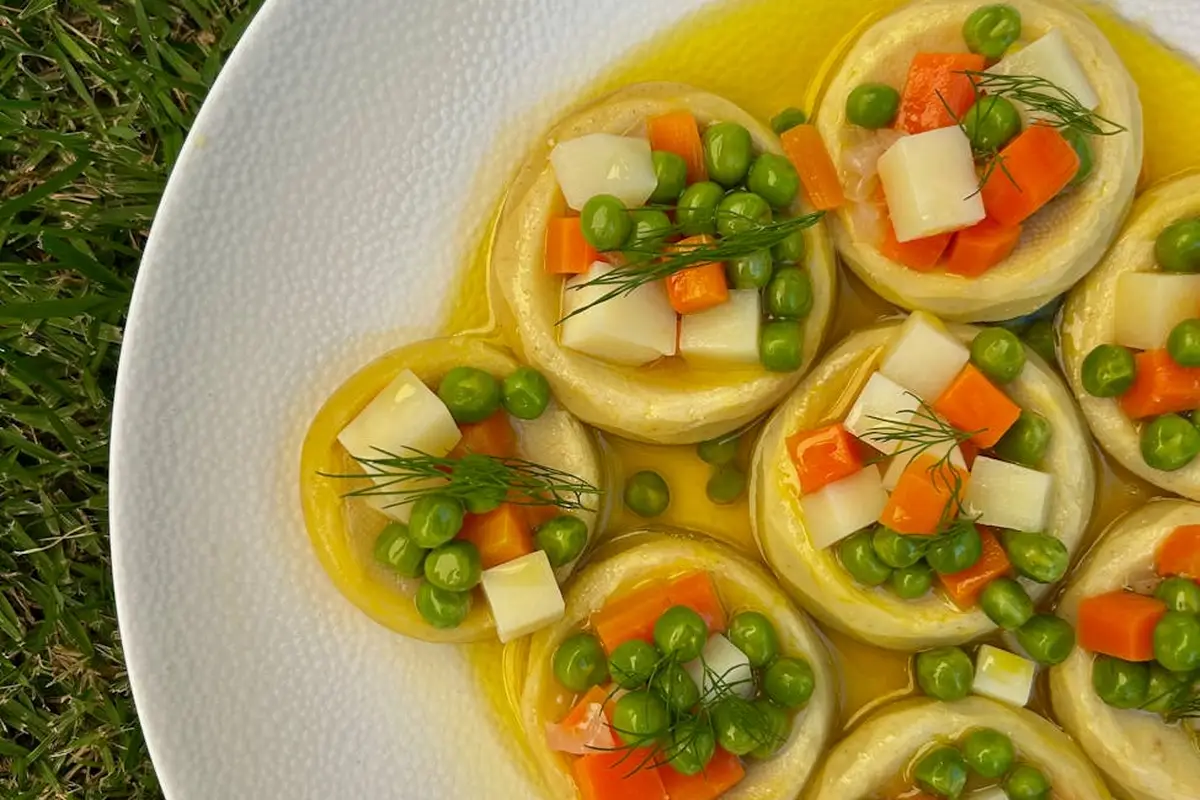
Not all peas are created equal in the eyes of your bearded dragon. I’ve experimented with different types over the years, and I can tell you that their suitability varies quite a bit. Beyond peas, green beans—raw or canned—are a frequent question. I’ll explain which bean types are suitable and how to prepare them for your bearded dragon.
- Green Peas (English Peas): These are the classic shelling peas. The inner pea is perfectly safe and nutritious for your dragon, but you must always remove it from the tough, fibrous pod. That outer shell is a serious choking and impaction hazard.
- Snap Peas: These are a fantastic option. The entire pod is edible, sweet, and has a great crunch that my dragons seem to love. They are a convenient and hydrating treat.
- Snow Peas: Similar to snap peas, the flat, tender pod of the snow pea is safe to feed. They are a little less crunchy but still a good, low-calorie addition to the salad bowl.
- Sweet Peas (Ornamental/Garden Peas): This is where you need to be careful. Ornamental sweet pea plants are not the same as the vegetables and are actually toxic to bearded dragons. Always ensure you are feeding the edible vegetable varieties.
You might also wonder about the younger versions of the plant.
- Pea Shoots and Sprouts: These are excellent! Young pea shoots are tender, packed with nutrients, and make a wonderful, digestible garnish for your dragon’s regular greens. I often grow my own to ensure they are free from pesticides.
- Pea Pods: As a rule, only the pods from snap peas and snow peas are safe. The pods from standard garden peas are too tough and should be avoided.
How to Prepare and Feed Peas Safely
Proper preparation is what turns a good food into a great one. A little bit of effort here goes a long way in keeping your scaly friend healthy and happy.
Step-by-Step Pea Preparation
Follow these simple steps to get peas ready for your dragon’s dinner plate.
- For Fresh Peas: Give them a thorough rinse under cool water to remove any dirt or potential residues. If using snap or snow peas, you can chop the pod into bite-sized pieces that are smaller than the space between your dragon’s eyes.
- For Frozen Peas: This is my go-to method for shelled peas. You must thaw them completely. I run them under warm water or leave them in a bowl on the counter. Never serve them frozen, as this can cause digestive upset.
- For Canned Peas: I generally avoid these. Canned peas are typically very high in sodium, which is dangerous for bearded dragons. If it’s your only option, rinse them extremely well under running water for a few minutes to try and remove as much salt as possible.
- Cooking: Cooking is not strictly necessary. Lightly steaming peas can make them slightly easier to digest, but I usually offer them raw or thawed to preserve all their nutrients. Never add any butter, oil, or seasoning.
Portion Control and Feeding Schedule
Peas are a treat, not a staple. Think of them as the occasional flavorful confetti in their salad, not the main event.
- For Adult Bearded Dragons: Their diet should be about 80% plants and 20% insects. A small spoonful of peas (6-8 peas) once or twice a week is a perfect portion for an adult. I like to mash them slightly and mix them into their collard or mustard greens.
- For Juvenile Bearded Dragons: Babies are growing fast and need more protein. Focus their diet on insects, and only offer a couple of peas once a week at most. Their primary veggie intake should be from staple greens.
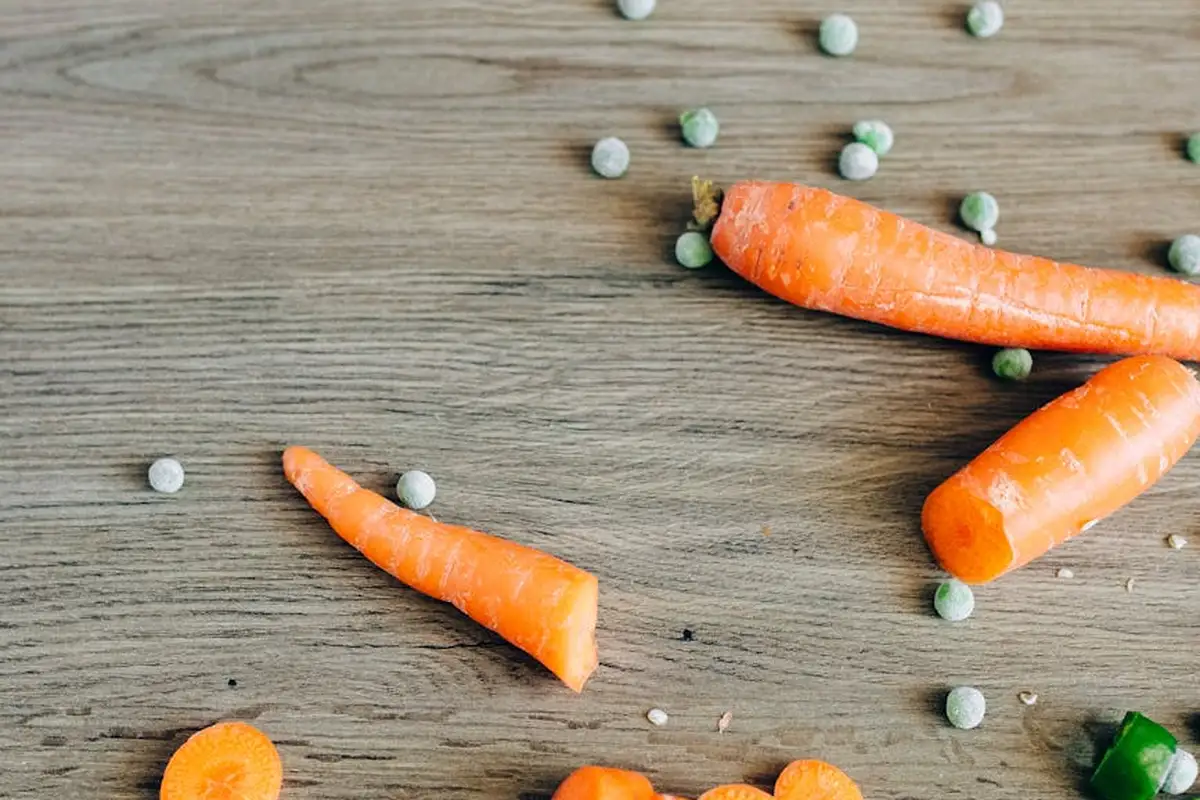
The key is to create a varied diet, so try mixing peas with other safe veggies like finely chopped carrots or bell peppers for a colorful and enticing meal. This not only looks appealing to us but provides a wider range of vitamins for them.
Introducing Isopods to Your Bearded Dragon’s Diet
This is a question I get a lot from keepers who also maintain bioactive terrariums. Isopods-those little roly-polies or pill bugs-are a natural part of the Australian outback ecosystem that bearded dragons come from. That leads into a quick bearded dragon insect-eating guide—listing safe feeders and highlighting toxic bugs to avoid.
Yes, bearded dragons can eat isopods, and many will eagerly hunt them in a bioactive setup. They can be a fun, natural source of enrichment. However, you can’t just go scooping them up from your backyard. For a complete feeding guide for pet bearded dragons, aim for a balanced mix of appropriately sized insects, leafy greens, and calcium supplementation tailored to age. Wild dragons have different environments and diets, so captive care should follow a structured feeding plan rather than relying on foraged items alone.
- Sourcing is Critical: Wild isopods can carry parasites or be exposed to pesticides and herbicides, making them very dangerous to feed. You must only use isopods from a reputable breeder who sells them as reptile feeders.
- Gut-Loading for Nutrition: Isopods are what they eat. Before offering them to your dragon, feed the isopods a nutritious diet of leaf litter, fish flakes, and pieces of squash for at least 24-48 hours. This process, called gut-loading, transfers those nutrients to your pet.
- Safe Species: Smaller, softer species like Trichorhina tomentosa (Dwarf White Isopods) are a safer choice than larger, harder-shelled ones, which could pose a minor impaction risk if fed in huge quantities.
I view isopods more as a occasional, enrichment feeder rather than a primary protein source. They are excellent for encouraging natural foraging behavior. Let your dragon hunt a few in its enclosure once in a while as a fun activity, but stick to dubia roaches and crickets for their main insect meals.
Common Concerns and Safety Tips
Even with the best intentions, new foods can sometimes cause a bit of a tummy upset. I always watch my dragons closely for a day or two after introducing peas to their diet. Their digestive systems are sensitive, and any sudden change can be a shock.
Spotting Potential Digestion Issues
You know your dragon’s habits better than anyone. A shift in their routine can be the first clue something is off. Look for these subtle changes.
- Lethargy or a noticeable lack of energy.
- A swollen or hard abdomen that looks uncomfortable.
- No bowel movements for more than a couple of days.
- Unusual stool, like diarrhea or overly watery waste.
- A sudden loss of appetite for their usual favorite foods.
Warning Signs of Trouble
If your dragon is having a real problem with a new food, the signs are usually more pronounced. Trust your gut; you are your pet’s first and best advocate. These symptoms mean it’s time to stop the new food and pay closer attention.
- Visible straining when trying to pass stool.
- Loud gurgling sounds coming from their belly.
- Regurgitation or vomiting.
- Signs of pain, like a blackened beard for no apparent reason.
Actionable Steps If Problems Occur
Don’t panic if you notice an issue. A calm, methodical approach is what helps your dragon feel better. I’ve had to do this a few times over the years.
- Immediately remove the problematic food, like peas or isopods, from their diet.
- Ensure they have access to fresh, clean water to help with hydration and digestion.
- Offer a warm bath for 15-20 minutes, which can often stimulate a bowel movement.
- Stick to their most trusted, easy-to-digest greens, like collard greens or dandelion greens, for a few days.
- If symptoms persist for more than 48 hours, or if they seem severe, contact your reptile veterinarian without delay. It’s always better to be safe.
Beyond Peas: Other Great Veggie Options
While peas can be a fun occasional treat, a great diet is built on variety. Rotating their veggies ensures they get a broad spectrum of nutrients and prevents them from getting bored. My dragons get so excited when they see me prepping a new mix.
Here are my top, go-to vegetable choices that form the backbone of a healthy bearded dragon’s salad.
- Collard, Mustard, and Dandelion Greens: These are my daily staples. They are nutrient powerhouses and are always a hit.
- Butternut Squash: Grated raw butternut squash is fantastic. It’s rich in vitamin A and adds a nice sweet crunch.
- Bell Peppers: All colors are great! They are full of hydration and vitamin C, and the red and yellow ones are sweeter.
- Zucchini and Yellow Squash: Another vegetable that’s wonderful when grated. It’s mild and easy to eat.
- Escarole and Endive: These are excellent, low-oxalate greens that I use frequently in my rotations.
Frequently Asked Questions
Can bearded dragons eat peas and carrots together?
Yes, bearded dragons can eat peas and carrots raw or cooked together as an occasional treat. However, both should be fed in moderation due to their imbalanced calcium-to-phosphorus ratios and high sugar content in carrots. Bearded dragons can eat carrots raw or cooked, and greens should form the main part of their diet. Carrots should be offered only occasionally (about once or twice a week), while leafy greens can be fed daily.
Are pea shoots a better option than mature peas for bearded dragons?
Pea shoots are a superior choice as they are tender, highly digestible, and packed with nutrients, making them a safer and more frequent addition to your dragon’s diet compared to mature peas.
Why are some pea pods unsafe for bearded dragons?
Pods from standard green peas are tough and fibrous, which can lead to choking or impaction, while snap pea and snow pea pods are tender and safe to feed in small, chopped pieces.
Final Thoughts
So, can bearded dragons eat peas? The simple answer is yes, but they are strictly an occasional side dish, not a main course. I treat thawed frozen or fresh peas as a tiny, infrequent surprise for my own dragons, always making sure they are served plain and shelled to prevent any digestive issues. For a full rundown of what bearded dragons can eat safely, see a complete guide on safe foods. Peas appear there as an occasional treat, not a daily staple.
Ultimately, a bearded dragon’s health is built on a foundation of consistent, appropriate staples like leafy greens and live insects. Think of peas and snap peas as the rare treat that adds a little variety, not a replacement for their core nutritional needs. This mindful approach to their entire diet, especially when it comes to vegetables, is what leads to a thriving, happy dragon.
Further Reading & Sources
- Can Bearded Dragons Eat Peas? – Dragon’s Diet
- r/BeardedDragons on Reddit: Can bearded (rankins) dragons eat boiled corn and peas?
- Can Bearded Dragons Eat Peas? A Guide To Peas In Your Dragon’s Diet – TopFlight Dubia
Bearded Dragon Lair is the ultimate resource for bearded dragon enthusiasts, offering expert advice and practical tips to ensure the health and happiness of your scaly companion. With years of experience in reptile care, we are dedicated to providing accurate, up-to-date information to support your bearded dragon journey.
Insects vs. Vegetables