Can Bearded Dragons Eat Green Beans?
Published on: January 7, 2026 | Last Updated: January 7, 2026
Written By: Beardie Joe
If you’re staring at a fresh green bean and wondering if it’s a safe snack for your scaly friend, you’ve come to the right place.
As a longtime beardie owner, I’ve navigated the do’s and don’ts of reptile nutrition through years of hands-on experience.
In this guide, we’ll cover the safety of raw and canned green beans, explore other bean types, and I’ll give you my best feeding tips for a happy, healthy dragon.
Bearded Dragon Diet Basics: Setting the Stage
Your bearded dragon is a true omnivore, which means their body is built to thrive on a mix of animal-based proteins and a wide array of fresh, plant-based foods. I’ve found that getting this plant-to-protein ratio right is one of the most impactful things you can do for their long-term health. As they grow from energetic juveniles to dignified adults, the bulk of their diet should shift from insects towards fresh vegetables and greens. To make this practical, many keepers rely on an ultimate safe food list for bearded dragons that identifies which fruits and vegetables are safe and beneficial. This way you can plan a balanced, safe rotation as they mature.
Fresh veggies do more than just fill their belly. They provide essential vitamins, minerals, and, crucially, hydration and fiber to keep their digestive system running smoothly. I always tell new owners to think of their beardie’s salad bowl as a daily health supplement.
From my years of caring for my own dragons, here are some staple greens I always keep in rotation:
- Collard Greens
- Dandelion Greens
- Mustard Greens
- Endive
- Escarole
Variety isn’t just the spice of life for them; it’s a cornerstone of good digestive health and prevents nutritional gaps. Feeding the same one or two greens every single day can lead to an imbalance. I make it a habit to create a “salad mix” from 2-3 different greens each week to keep things interesting and nutritious for my crew.
Green Beans for Bearded Dragons: The Nutritious Truth
So, can your bearded dragon eat green beans? Absolutely, yes. Fresh, raw green beans are a perfectly safe and healthy occasional treat for your scaled friend. The key word here is “occasional.” They should be part of a varied diet, not the main event in the salad bowl. Beyond green beans, collard greens and mustard greens are commonly recommended as safe greens. Use them in moderation as part of a varied greens mix in your bearded dragon’s diet.
Let’s break down what makes them a decent choice. Green beans offer a good boost of dietary fiber, which aids in digestion. They have a high water content, providing a little extra hydration. They also bring vitamins like Vitamin C for immune health and Vitamin K for proper blood clotting.
However, the most critical factor to consider with any vegetable is its calcium-to-phosphorus ratio. Bearded dragons need more calcium than phosphorus in their foods for strong bones and to prevent metabolic bone disease, a serious and common health issue. So, how much calcium do bearded dragons actually need, and can you give them too much? Over-supplementing calcium can lead to health problems if not balanced with phosphorus and proper UVB exposure.
Green beans have a ratio of about 1:1, meaning nearly equal parts calcium and phosphorus. This isn’t ideal. While not dangerously inverted, it means the phosphorus can slightly interfere with how well your dragon absorbs that precious calcium. This is precisely why green beans are a “sometimes” food, not a daily staple. I use them as a crunchy addition to a base of calcium-rich greens like collards or dandelion.
Raw Green Beans: Preparation and Precautions
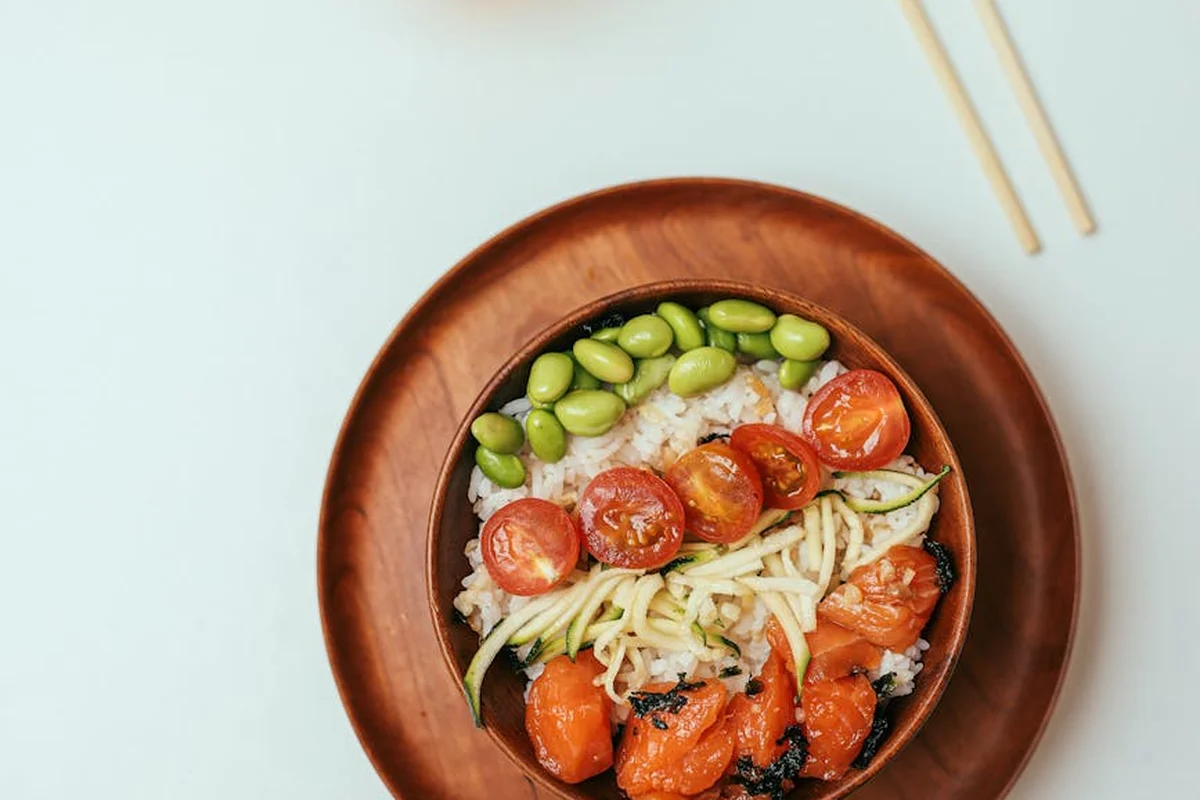
Feeding raw green beans is perfectly fine for your bearded dragon, but a little prep work makes all the difference. Proper preparation turns a good snack into a safe and enjoyable one for your scaly friend. This aligns with our bearded dragons eat complete guide on safe foods, where prep and variety matter for a balanced diet.
Steps for Washing and Chopping Safely
- Give the green beans a thorough rinse under cool, running water. I like to gently rub each pod with my fingers to remove any dirt or potential pesticide residue.
- Pat them completely dry with a clean paper towel. Excess moisture in the salad bowl can encourage bacterial growth.
- Trim off the tough stem end from each bean.
- Chop them into tiny, bite-sized pieces. I aim for pieces no larger than the space between my bearded dragon’s eyes to prevent any choking risk. For adult dragons, this might mean small coin shapes; for juveniles, even finer chopping is best.
Mitigating Risks in Raw Beans
Raw green beans contain very low levels of lectins and phytic acid, compounds that can interfere with nutrient absorption in large quantities. The key is moderation. By offering green beans as part of a varied diet, you naturally dilute these compounds and avoid any potential issues. I’ve never had a problem with my dragons, precisely because green beans are a sometimes-food, not a staple.
My Personal Tips for Selecting Veggies
- Look for beans that are a vibrant green and snap crisply when you bend them. Limp or rubbery beans are past their prime.
- Avoid any pods with significant brown spots, blemishes, or signs of mold.
- I always buy organic when I can, especially for veggies where we eat the entire pod, as it minimizes my worry about chemical treatments.
Canned Green Beans: Understanding the Dangers
This is one area where I am very strict with my own pets. Canned green beans are a hard ‘no’ for bearded dragons, and the primary reason is sodium. For greens, the bearded dragons lettuce guide emphasizes safe options like romaine or green leaf over iceberg. Lettuce should be fed in moderation as part of a varied diet.
Manufacturers use significant amounts of salt as a preservative in the canning liquid. A bearded dragon’s kidneys are not designed to process this much sodium. Consistently feeding high-salt foods can lead to serious dehydration, kidney strain, and ultimately, kidney failure. It’s a risk I am never willing to take.
Rinsing is Not a Solution
While rinsing canned beans can remove some surface salt, it does not eliminate the sodium that has been absorbed into the bean itself during processing. Rinsing might make them safer for a human salad, but it doesn’t make them safe for your dragon. The nutritional integrity is also compromised during the high-heat canning process, leaching out water-soluble vitamins.
Nutritional Comparison: Fresh vs. Canned
| Nutrient | Raw Green Beans | Canned Green Beans |
|---|---|---|
| Vitamin C | High (degraded by heat) | Significantly Lower |
| Fiber | Good source | Softer, less effective |
| Sodium | Negligible | Dangerously High |
Health Impact: Benefits and Risks of Bean Consumption
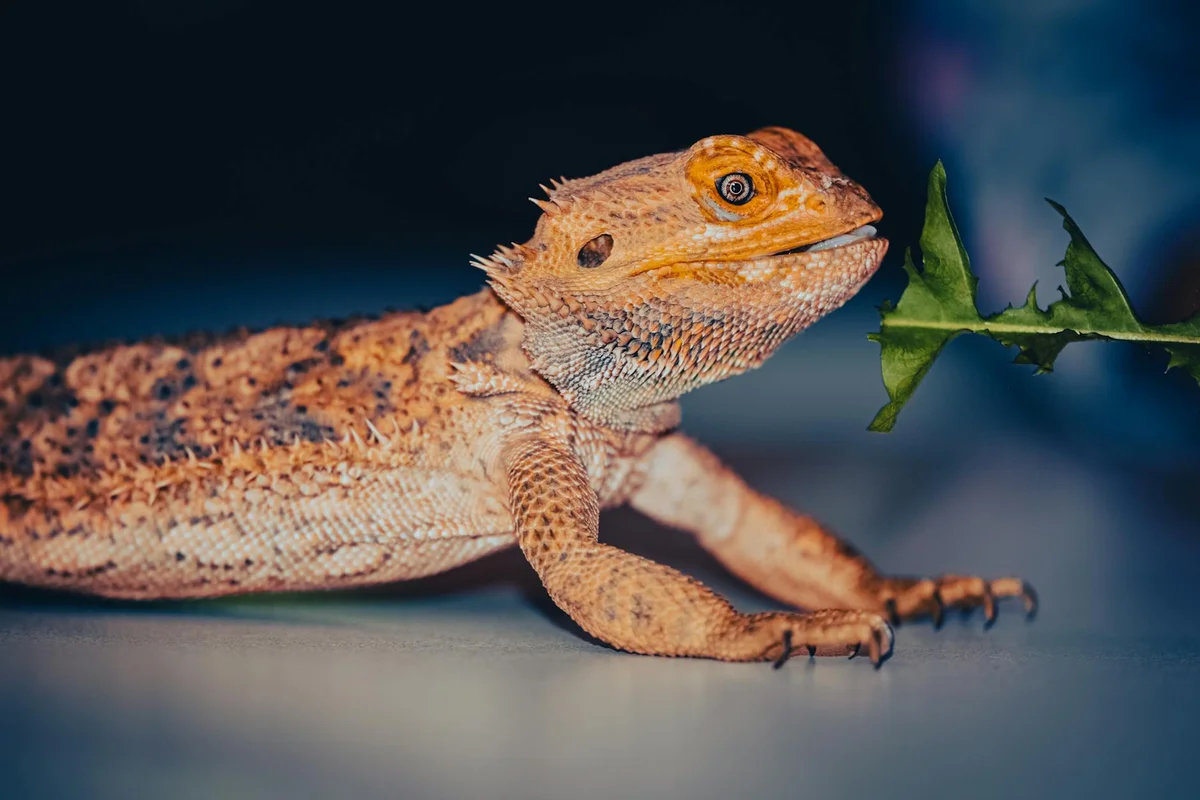
When fed correctly, green beans can be a beneficial part of the diet. It’s all about balancing the good with the not-so-good.
The Pros: A Boost of Goodness
- Vitamin Powerhouse: They provide a nice mix of Vitamin A for eye health, Vitamin C for immune support, and Vitamin K for blood clotting.
- Hydration Helper: Their high water content contributes to your dragon’s overall hydration, which is great for their kidneys.
- Fiber for Digestion: The fiber helps keep their digestive system moving smoothly.
The Cons: What to Watch For
- Oxalates: Green beans contain a moderate amount of oxalates, which can bind to calcium and prevent its absorption. This is why they should not be a daily food.
- Goitrogens: In very large, consistent amounts, these compounds can interfere with thyroid function. This is easily avoided through dietary variety.
- Phytic Acid: As mentioned, this can slightly hinder mineral absorption, but a varied diet mitigates this.
Monitoring Your Dragon’s Digestive Health
Whenever you introduce any new food, including green beans, keep a close eye on your pet. The first sign of a good diet is consistent, well-formed droppings. If you notice your dragon becoming lethargic, having runny stools, or refusing food after trying green beans, remove them from the menu and consult your reptile vet. I always offer new foods in the morning so I can watch them throughout the day.
Other Bean Types: A Quick Safety Check
String Beans and Similar Varieties
You’ll be happy to know that the common green beans you find at the store go by many names, and most are perfectly safe. String beans, French beans (haricot verts), and runner beans are all excellent, safe choices for your bearded dragon. I often pick up a mix for my own dragons. The preparation is identical to regular green beans: always offer them raw, never cooked or seasoned. Give them a good wash under cool water to remove any dirt or potential pesticides. I then chop them into small, manageable pieces, no larger than the space between my dragon’s eyes, to prevent any choking risk. They are just one of the many safe greens that contribute to a balanced diet; you can check out a complete list of safe and unsafe greens for bearded dragons.
Beans to Avoid or Use with Caution
This is where we need to be very careful. Not all beans are created equal, and some can make your dragon seriously ill.
- Kidney beans, black beans, and lima beans are a hard no. These contain higher levels of compounds like lectins and phytic acid. In my experience, these substances can interfere with nutrient absorption and are difficult for a bearded dragon’s digestive system to process. They are simply not worth the risk.
- Chickpeas (garbanzo beans) and bean sprouts should also be avoided. While not toxic, chickpeas are too high in protein and phosphorus for a bearded dragon. Bean sprouts can carry a higher risk of bacterial contamination, like Salmonella, which is a health risk for both you and your pet.
Feeding Guidelines: How to Offer Green Beans
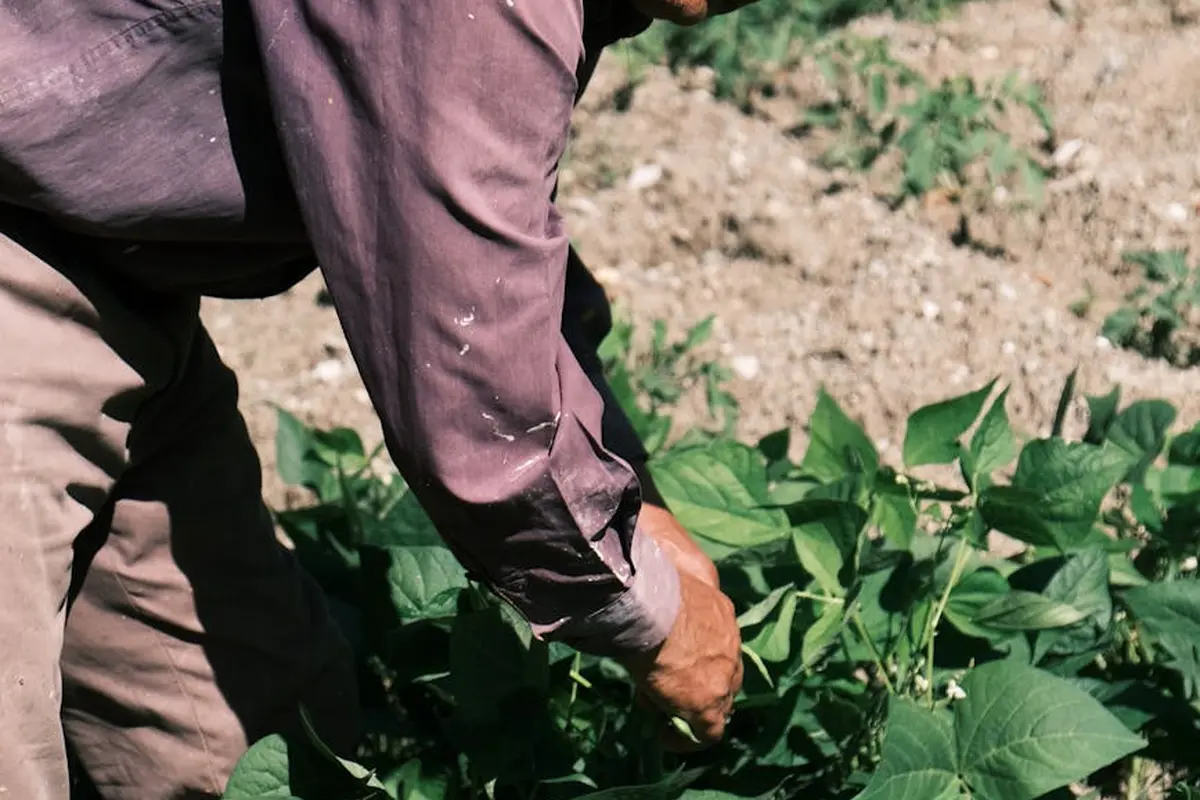
Getting the serving right is just as important as picking the right food. Here’s how I safely add green beans to my dragons’ salad bowls.
- Wash the green bean thoroughly under running water. I do this even for organic produce.
- Chop the bean into tiny, bite-sized pieces. I aim for chunks or thin slivers that are easy to grab and swallow.
- Mix the chopped beans into a base of staple greens. I toss them with collard greens or dandelion greens. This creates a varied and enticing texture.
- Offer this salad mix to your dragon in the morning. This gives them the whole day to digest their plant-based food properly.
Green beans should be a treat, not the main event. I use them as a supplemental veggie, not a primary green. A few small pieces mixed into a salad two or three times a week is a perfect amount. Overfeeding them can lead to an imbalanced diet.
For a truly balanced diet, rotate green beans with other, more nutritious staples. My dragons thrive on a rotation of collard greens, mustard greens, and turnip greens as their daily salad base. Butternut squash and bell peppers are other fantastic veggies I use more frequently than green beans. This variety ensures they get a wide spectrum of vitamins and minerals.
Frequently Asked Questions
Can bearded dragons eat beans?
No, most beans like kidney, black, and lima beans are unsafe for bearded dragons due to high levels of lectins and phytic acid, which can interfere with nutrient absorption and digestion. Beans aren’t just harmful to bearded dragons; there are other foods that are toxic and should be avoided.
Can bearded dragons eat bean sprouts?
It’s best to avoid bean sprouts as they can carry a higher risk of bacterial contamination, such as Salmonella, which poses a health risk to your dragon and should not be included in their diet.
Can bearded dragons eat a bean bag?
No, a bean bag is not food and should never be offered to your bearded dragon, as it can cause choking, digestive blockages, or other serious health issues if ingested. For a complete feeding guide, learn what bearded dragons eat in captivity and what they would eat in the wild. This helps you provide a balanced diet for pets and gives context about wild dragons.
The Final Scoop on Green Beans
So, can bearded dragons eat green beans? The answer is a definite yes, as long as you serve them fresh or frozen, and only as a healthy part of a varied diet. From my own experience, these veggies are a fantastic way to add a different texture and nutrient profile to your dragon’s salad bowl, but they should never be the main event. For a complete feeding guide on bearded dragons and vegetables, check out our comprehensive guide. It covers which greens are best, portion sizes, and feeding frequency.
Always stick with raw or thawed green beans, and steer completely clear of canned versions and all other types of beans. Providing a rotating menu of safe greens and vegetables is the real secret to a thriving, happy beardie.
Further Reading & Sources
- r/BeardedDragons on Reddit: How often can my beardie have green beans?
- Can Bearded Dragons Eat Green Beans? – Dragon’s Diet
- Fresh Green Beans | Feeding
Bearded Dragon Lair is the ultimate resource for bearded dragon enthusiasts, offering expert advice and practical tips to ensure the health and happiness of your scaly companion. With years of experience in reptile care, we are dedicated to providing accurate, up-to-date information to support your bearded dragon journey.
Feeding Guidelines