Can Bearded Dragons Eat Beets?
Published on: January 6, 2026 | Last Updated: January 6, 2026
Written By: Beardie Joe
You’re holding a vibrant beet and wondering if it’s a safe, colorful treat for your scaly friend.
As a longtime bearded dragon owner, I’ve navigated these questions myself and I’m here to give you the clear, straightforward answers you need.
This guide will cover the safety of the beetroot itself, the nutritious greens, and even those often-overlooked leaves.
Can Bearded Dragons Eat Beets? Breaking Down the Whole Plant
Beet Greens and Leaves: A Reptile Diet Staple
If you’re only feeding the root and tossing the leafy tops, you’re missing out on the best part for your dragon. In a bearded dragon lettuce guide, safe greens like romaine and beet greens are recommended as part of a balanced diet. I always get excited when I see fresh beet greens at the store because my dragons go absolutely wild for them.
Beet greens are a fantastic, nutrient-packed addition to their regular salad rotation. You can confidently offer fresh, thoroughly washed beet greens to your bearded dragon several times a week. They are a great source of fiber, calcium, and vitamins. In a comprehensive greens guide, collard greens and mustard greens are also safe options to rotate with beet greens to keep your dragon’s diet varied and balanced.
- Calcium, which is vital for strong bones
- Vitamin A, crucial for eye health and immunity
- Fiber, which keeps their digestive system running smoothly
In my own tank, I often mix beet greens with other staples like collard greens and dandelion leaves for a varied, colorful salad that my dragons find irresistible. Bearded dragons eat spring mix as part of a balanced diet, which makes it easy to build a perfect salad. Just be sure to wash greens well and rotate ingredients for maximum variety.
Beetroot: The Occasional Treat
Now, the vibrant red root itself is a different story. While not toxic, beetroot should be viewed as a special occasion snack, not a dietary staple.
The main reasons for this moderation are its high sugar and oxalate content. Feeding too much beetroot can lead to digestive upset and, over time, contribute to kidney stones due to the oxalates binding to calcium. I only offer a few tiny, shredded pieces to my adult dragons once a month at most.
When you do decide to offer it, preparation is key:
- Thoroughly scrub and peel the beet to remove any dirt or pesticide residue.
- Shred or grate it into very fine, manageable pieces to prevent choking.
- Mix just a tiny pinch of it into their regular greens to add a splash of color and intrigue.
Nutritional Breakdown for Your Bearded Dragon
Looking at the numbers helps us make the best choices for our scaly friends. Beet greens are a nutritional powerhouse, while the root presents some challenges.
The Calcium to Phosphorus Ratio Explained
This is one of the most critical concepts in bearded dragon nutrition. Your dragon needs more calcium than phosphorus in its system to properly absorb and use that calcium. An ideal ratio is 2:1 (calcium to phosphorus) or better. But it’s not just about ratios—the total calcium you provide also matters. Giving too much calcium can lead to health problems, so follow age- and product-specific guidelines.
Let’s break down how beets measure up:
- Beet Greens: Have a fantastic, positive calcium-to-phosphorus ratio of about 3:1. This makes them a wonderful, bone-supporting food.
- Beetroot: Has a poor, inverse ratio of about 1:2. This means it has more phosphorus than calcium, which can actually block calcium absorption if fed too often.
I always think of high-phosphorus foods like beetroot as creating “static” in the system that interferes with the calcium signal. Consistently feeding foods with a bad Ca:P ratio is a direct path to metabolic bone disease (MBD), a severe and painful condition. This is precisely why the root is a rare treat, while the greens are a celebrated staple.
Understanding the Risks: Oxalates and Sugar
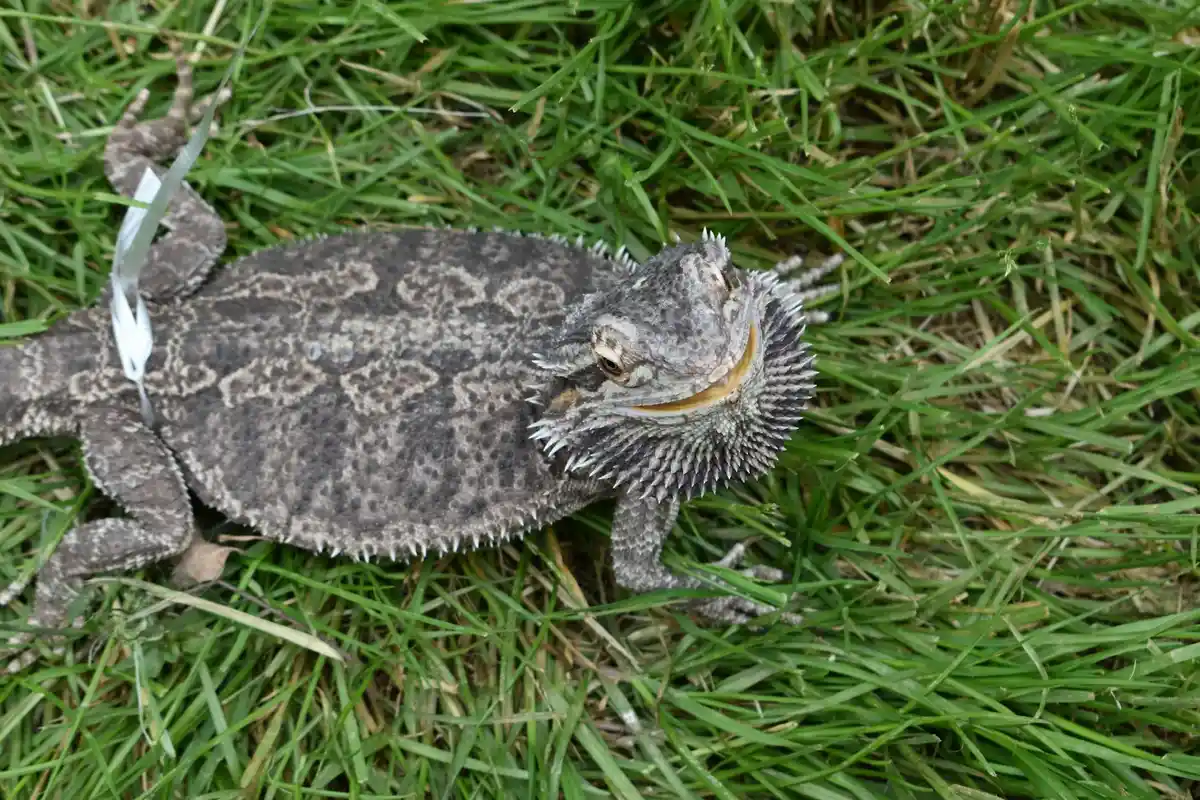
Before you hand over that vibrant red slice, it’s vital to know what you’re really offering. Beets contain two primary components that require careful management in a bearded dragon’s diet: oxalates and natural sugars. For guidance, consult the ultimate safe food list of fruits and vegetables bearded dragons can eat. This helps you choose options that balance nutrition while avoiding high-oxalate or high-sugar items.
Oxalates, or oxalic acid, are natural compounds found in many plants. In your dragon’s digestive system, oxalates bind to calcium, creating a compound that cannot be absorbed. This process effectively robs your pet of the precious calcium they need for strong bones and proper nerve function. I’ve seen the effects of calcium deficiency in rescued dragons, and it’s a heartbreaking, entirely preventable condition. Feeding high-oxalate foods like beets too frequently can contribute to this over time, as well as other leafy greens like spinach.
Then there’s the sugar. Beets are surprisingly high in natural sugars for a vegetable. A dragon’s system isn’t built to process large amounts of sugar. Consistent overconsumption can lead to weight gain, digestive upset, and even long-term health issues like fatty liver disease. Think of beets like a rich dessert-delicious and fine on rare occasions, but not something for a daily meal.
How to Prepare and Serve Beets Safely
When you do decide to offer beets, proper preparation is your best tool for minimizing risks and maximizing safety. It’s a simple routine I follow with all my dragons.
- Wash Thoroughly: Scrub the beet’s skin under cool, running water to remove any dirt, pesticides, or wax that might be present. I always opt for organic when possible.
- Peel the Skin: The skin is tough for them to digest and can harbor more contaminants. Use a vegetable peeler to remove it completely.
- Grate or Chop Finely: Never offer a large chunk. Grate the beet into small, manageable shreds or chop it into tiny, pea-sized pieces. This prevents choking and makes it easier for your dragon to digest.
- Serve Raw: Cooked beets are a no-go. Cooking can concentrate the sugars and break down the nutrients in ways that aren’t ideal for reptiles. Raw is the only way to go.
- Mix and Serve: Always mix the tiny beet pieces into a larger, healthier salad base. Never offer it by itself.
Creating a Balanced Salad Mix
Beets should never be the star of the salad bowl. They are a supporting actor, there to add a splash of color and a tiny bit of variety. Here’s how I build a balanced meal that includes a hint of beet.
- Base (80% of the salad): Start with a foundation of nutritious, low-oxalate greens. Collard greens, dandelion greens, and escarole are my top choices.
- Vegetables (15% of the salad): Add other dragon-safe veggies for variety and nutrients. Finely chopped bell pepper, a little shredded squash, or a few grated carrots work well.
- The Beet (5% or less of the salad): This is your “spice.” A single, level teaspoon of grated beet mixed thoroughly into the entire salad is more than enough for an adult dragon. It should be a subtle accent, not a dominant flavor.
This method ensures your dragon gets a trace amount of beet for enrichment without overloading their system with oxalates and sugar. Seeing that little bit of red peeking through the greens makes the meal more interesting for them without compromising their health. It’s a win-win.
Feeding Frequency and Moderation Guidelines
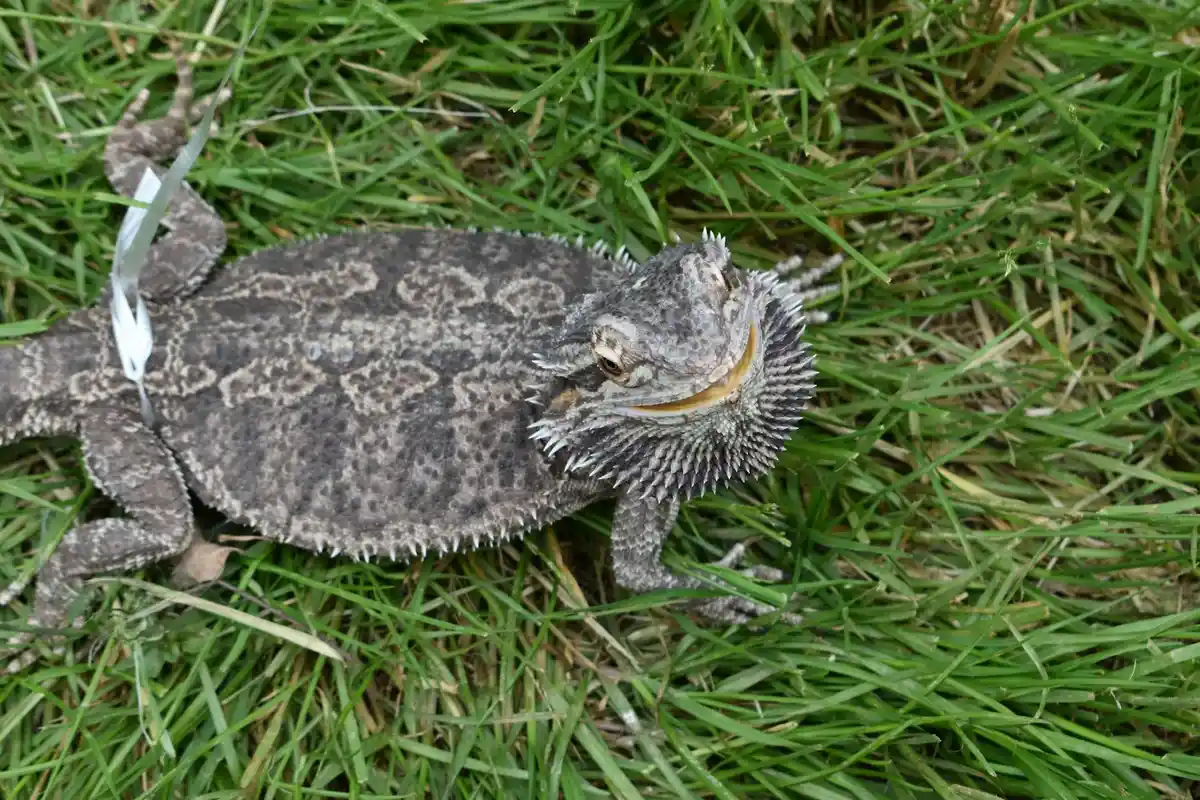
Beets are a fun, occasional treat, not a dietary staple. I only offer a small amount of shredded beet to my dragons once or twice a month at most. This infrequent schedule prevents any potential nutrient imbalances from taking root.
How Much is Safe to Serve?
Portion control is everything with a dense vegetable like this. A serving should be tiny.
- For an adult dragon, a teaspoon of finely shredded beet is plenty.
- For a juvenile, just a pinch mixed into their regular greens is sufficient.
- Always shred or grate the beet. A small, grated piece is much safer and easier to digest than a hard, slippery cube they could choke on.
Why Such Strict Limits?
Beets contain moderate levels of oxalates, or oxalic acid. In large quantities, this compound can bind to calcium and prevent your dragon from absorbing it. Since proper calcium absorption is non-negotiable for bearded dragon bone health, we have to be mindful of high-oxalate foods. A rare, tiny treat poses no problem, but a regular habit could contribute to metabolic bone disease over time. Remember to consult our guide on foods bearded dragons can’t eat to avoid toxic items. Staying on the approved list helps ensure calcium absorption and overall health.
I also watch my dragons’ water intake around the time I give them beets. The high water content can sometimes lead to looser stools, which is another reason I keep servings miniature.
Top Alternative Greens and Veggie Options
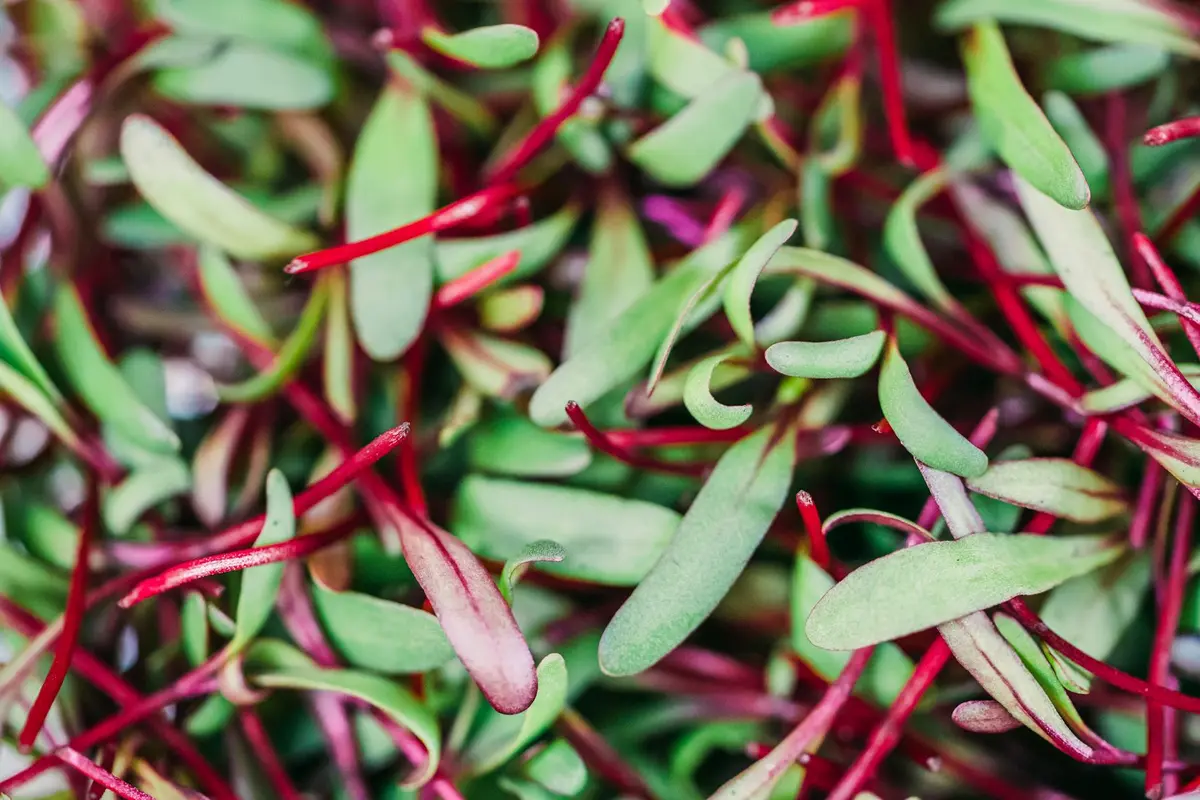
While beets are an infrequent guest at the salad bar, many other veggies are welcome daily. Building a varied, colorful salad is one of the most enjoyable parts of caring for these pets. I love seeing what vibrant mix I can create for them each day.
Daily Staple Greens
These greens are nutritional powerhouses and form the foundation of a healthy diet. You can offer them every single day.
- Collard Greens: My absolute top pick. They are rich in calcium and have a great calcium-to-phosphorus ratio.
- Mustard Greens: A fantastic, slightly spicy alternative that my dragons gobble up.
- Dandelion Greens: Not the ones from a sprayed lawn! I buy organic. They are packed with vitamins.
- Endive / Escarole: These provide great hydration and are usually a big hit.
- Turnip Greens: Another excellent, calcium-rich leaf that is a staple in my kitchen.
Excellent Occasional Veggies
Mix these in a few times a week for variety and extra nutrients.
- Butternut Squash: I grate this just like beet. It’s full of Vitamin A and most dragons love the bright color and slight sweetness.
- Bell Peppers: All colors are great. They are hydrating and rich in Vitamin C. I always remove the seeds first.
- Snap Peas: A crunchy treat, chopped into manageable pieces.
- Zucchini / Yellow Squash: Great for hydration and very easy to eat when shredded.
- Cactus Pads (Nopales): A wonderful, natural food that is hydrating and nutrient-dense. Just be sure to remove all the spines.
Greens and Veggies to Actively Avoid
Animal welfare means knowing what is harmful. I never feed these items, as they can be toxic or severely lack nutritional value.
- Iceberg Lettuce: It’s basically crunchy water with almost no nutrients and can cause diarrhea.
- Spinach: It’s very high in oxalates, which block calcium absorption, making it a poor choice.
- Beet Greens: While the root is a rare treat, the leafy tops are, ironically, too high in oxalates to be safe.
- Avocado: This is toxic to many reptiles and should never be offered.
- Rhubarb: This is highly toxic and can be fatal.
Frequently Asked Questions
Can bearded dragons eat beetroot?
Yes, bearded dragons can eat beetroot, but only as a rare, occasional treat due to its high oxalate and sugar content, which can hinder calcium absorption and cause digestive issues if overfed. For healthier options, check out some vegetables suitable for bearded dragons.
Are beet greens safe for bearded dragons?
Yes, beet greens are safe and highly nutritious for bearded dragons, offering a great source of calcium and vitamins, and can be fed several times a week as part of a varied diet. In a complete safe/unsafe greens list for bearded dragons, beet greens are considered safe to include, while other greens may be flagged for caution or avoidance.
How often can I feed beets to my bearded dragon?
Beetroot should be offered no more than once a month in tiny amounts, while beet greens can be included regularly, such as a few times per week, to provide essential nutrients without overloading on oxalates.
Final Verdict on Beets
So, can bearded dragons eat beets? Yes, but think of the vibrant root as a very rare, special-occasion treat, not a regular menu item. Offering a tiny, cooked cube once a month is the safest way to let them enjoy the flavor without the risks of high oxalates and sugar. I personally avoid giving my dragons raw beetroot entirely. In a complete guide to safe foods for bearded dragons, beets are listed as an occasional treat rather than a staple. This aligns with the emphasis on variety and proper preparation for a healthy, balanced diet.
Your focus should be on the greens. Beet tops are the real superstar, providing a fantastic, calcium-rich green you can rotate into their weekly salad mix. Always wash leaves thoroughly. When in doubt, stick with their staple greens-it’s the simplest way to keep your scaly friend thriving for years to come.
Further Reading & Sources
- r/BeardedDragons on Reddit: Beets?
- Can Bearded Dragons Eat Beetroot? Vet-Reviewed Health Facts | Hepper Pet Resources
- Can Bearded Dragons Eat Beets?
Bearded Dragon Lair is the ultimate resource for bearded dragon enthusiasts, offering expert advice and practical tips to ensure the health and happiness of your scaly companion. With years of experience in reptile care, we are dedicated to providing accurate, up-to-date information to support your bearded dragon journey.
Feeding Guidelines