Can Bearded Dragons Eat Corn?
Published on: January 22, 2026 | Last Updated: January 22, 2026
Written By: Beardie Joe
If you’re holding a piece of sweet corn and wondering if it’s a safe treat for your scaly friend, you’ve come to the right place.
With years of experience caring for my own bearded dragons, I’m here to give you the clear, straightforward answers you need for your pet’s health.
In this article, we’ll cover: the safety of fresh, canned, and cooked corn, the definite risks of popcorn and corn husks, and how to properly serve the safe options.
Can Bearded Dragons Eat Corn Kernels?
Yes, your bearded dragon can eat a few fresh, plain corn kernels. Think of it as a very rare treat, not a regular menu item. I might offer my dragons a couple of kernels once a month, if that. For a complete guide on safe foods for bearded dragons, corn is listed as an occasional treat. This guide helps you balance treats like corn with greens and protein. The key is moderation, as corn should never be a staple in their diet.
When I do offer it, I make sure it’s always cooked. Raw corn is too hard for them to digest properly and poses a serious choking hazard. A lightly steamed or boiled kernel, cooled completely, is the only way to go. It softens the tough outer shell and makes it safer for them to eat.
Understanding the Nutritional Value and Risks of Corn
To understand why corn is just a “sometimes” food, you need to look at what’s inside. On the surface, it seems like a harmless vegetable, but its nutritional profile tells a different story for our scaled friends.
The Problematic Calcium to Phosphorus Ratio
This is the single biggest reason to limit corn. Bearded dragons need a diet where calcium is significantly higher than phosphorus. Corn gets this ratio completely backwards, containing more phosphorus than calcium. When a dragon eats food high in phosphorus, it binds with calcium in their gut and prevents absorption. It’s important to choose greens like kale that provide a better calcium to phosphorus ratio.
Over time, a diet rich in high-phosphorus foods like corn can lead to Metabolic Bone Disease (MBD), a painful and debilitating condition that softens their bones. I’ve seen beardies with MBD, and it’s heartbreaking-it’s a condition every owner should work actively to prevent.
Other Nutritional Considerations
Beyond the calcium issue, corn has other traits that make it a less-than-ideal choice.
- High in Starch and Carbohydrates: Corn is quite starchy. A bearded dragon’s digestive system isn’t designed to process large amounts of carbs, which can lead to weight gain and other health issues.
- Moderate Sugar Content: For a reptile, corn is relatively high in sugar. This can disrupt the delicate balance of gut flora and isn’t suitable for their metabolism.
- Low in Overall Beneficial Nutrients: Compared to staple greens like collard greens or dandelion greens, corn offers very little in the way of the vitamins and minerals beardies truly thrive on.
Corn Nutrition at a Glance
| Nutrient | Why It Matters for Your Beardie |
|---|---|
| Phosphorus | Too high; blocks calcium absorption. |
| Calcium | Too low; creates a dangerous imbalance. |
| Carbohydrates & Sugar | High; can lead to obesity and digestive upset. |
| Fiber | Moderate; this is one of the few small benefits. |
Ultimately, while a kernel or two won’t cause immediate harm, its poor nutritional value means there are always better, safer treats to offer. I stick with foods like blueberries or a bit of squash when I want to give my dragons something special.
Is Popcorn Safe for Your Bearded Dragon?
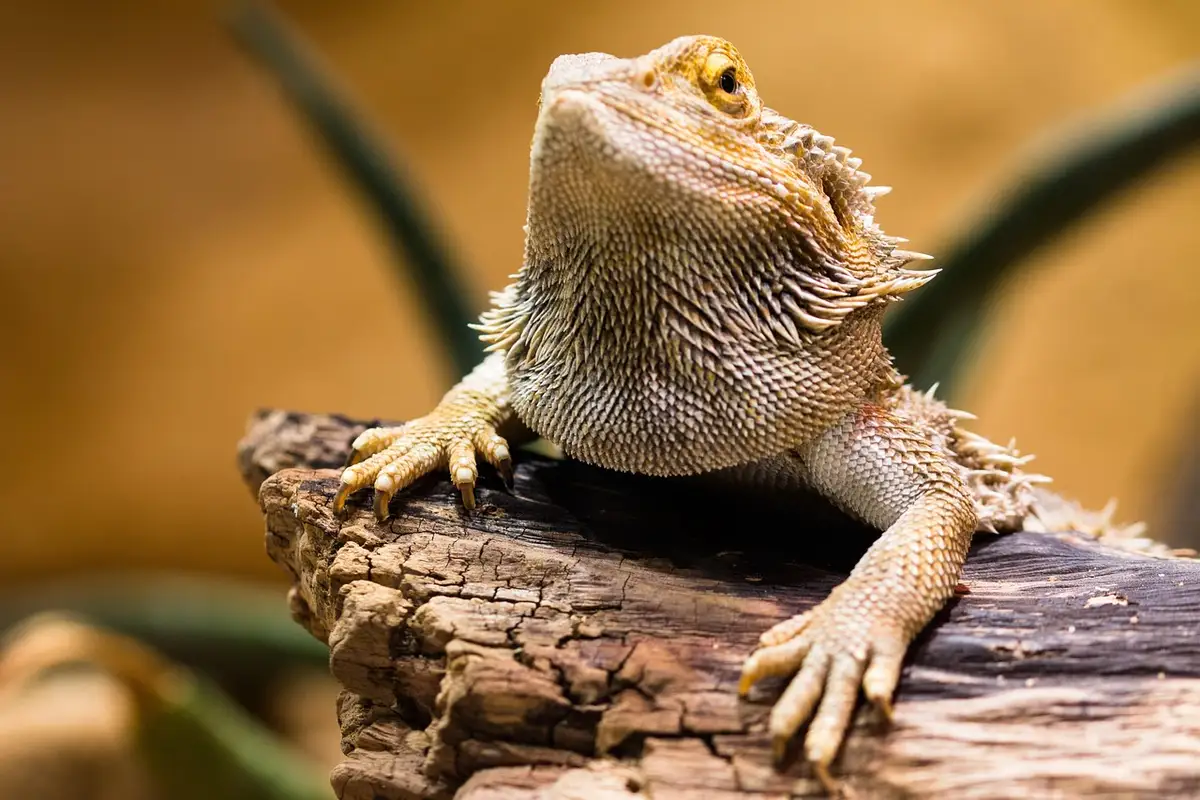
Let’s get straight to the point: you should never, ever feed popcorn to your bearded dragon. I know it might be tempting to share a snack while you’re watching a movie, but popcorn is a serious no-go for these reptiles. Speaking of safe snacks, tomatoes can be included in a bearded dragon’s diet in moderation. There’s a simple tomato feeding guide you can follow to keep it safe.
Popcorn poses multiple dangers that can make your dragon very sick. The hard, unpopped kernels are a major choking hazard and can even cause a fatal impaction in their digestive tract. Even the fluffy, popped pieces are problematic. They offer zero nutritional value and can swell up inside their tiny stomachs.
Think about how we usually eat popcorn-drenched in butter, oil, and salt. All of those additives are toxic to a bearded dragon’s sensitive system. Their kidneys simply cannot process that much sodium or fat. From my own experience, keeping human snack foods completely separate from my dragons’ diets is one of the easiest ways to ensure their long-term health. It’s essential to know what not to feed your bearded dragons.
- Choking and Impaction: Hard kernels can get lodged in their throat or intestines.
- Nutritional Void: Popped corn is just empty calories with no vitamins your dragon needs.
- Toxic Additives: Salt, butter, and oils can lead to severe dehydration and kidney failure.
- Digestive Blockage: The fluffy pieces can clump together and create a dangerous blockage.
Stick to their regular, nutrient-rich greens and insects. Your dragon will be much happier and healthier with foods that are actually designed for their body, such as collard and mustard greens. It’s just not a risk worth taking for a moment of shared snacking.
What About Canned Corn and Corn Husks?
Moving on from popcorn, let’s look at two other common corn-related questions I get from other owners. The rules here are just as important for your pet’s safety.
Canned Corn: A Salty Problem
Canned corn is another item to firmly avoid. While the corn kernel itself is the same, the processing makes it completely unsuitable. The high sodium content used as a preservative in canned corn is devastating to a bearded dragon’s health. It puts immense strain on their kidneys and can lead to fatal dehydration. For a safe feeding plan, consult the ultimate safe food list for fruits and vegetables bearded dragons can eat. Sticking to items on that list helps ensure balanced nutrition and avoids unsafe options.
I always check the ingredients on my own food, and the sodium levels in canned vegetables are startlingly high, even for humans. For a small reptile, that amount is a poison. They also often contain added sugars or citric acid, which are equally harmful. Fresh, plain corn is the only semi-safe option, and even that should be a very rare treat.
Corn Husks: A Tough and Risky Fiber
You might look at the green, leafy husk and think it’s just like other greens. Unfortunately, that’s not the case. Corn husks are extremely tough, fibrous, and difficult to digest.
Feeding a piece of husk is a direct ticket to a potential impaction. Their digestive systems are not designed to break down such tough, cellulose-heavy plant matter. I would never risk giving one to any of my dragons, no matter how much they might seem curious about it. It’s simply not worth the emergency vet visit, unlike more digestible leafy greens.
- Canned Corn: Avoid completely due to high sodium, preservatives, and potential added sugars.
- Corn Husks: Avoid completely. They are a severe impaction risk and are indigestible.
- Safe Alternative: If you want to offer a similar texture, try a small piece of a collard green or dandelion green leaf instead.
When it comes to your bearded dragon’s diet, simple and natural is always best. Sticking to well-researched staple foods is the most effective way to show your love and care for them. Focusing on the best safe staples supports balanced nutrition. Occasional, safe treats can be added to keep meals interesting.
How to Feed Corn Safely (If You Choose To)
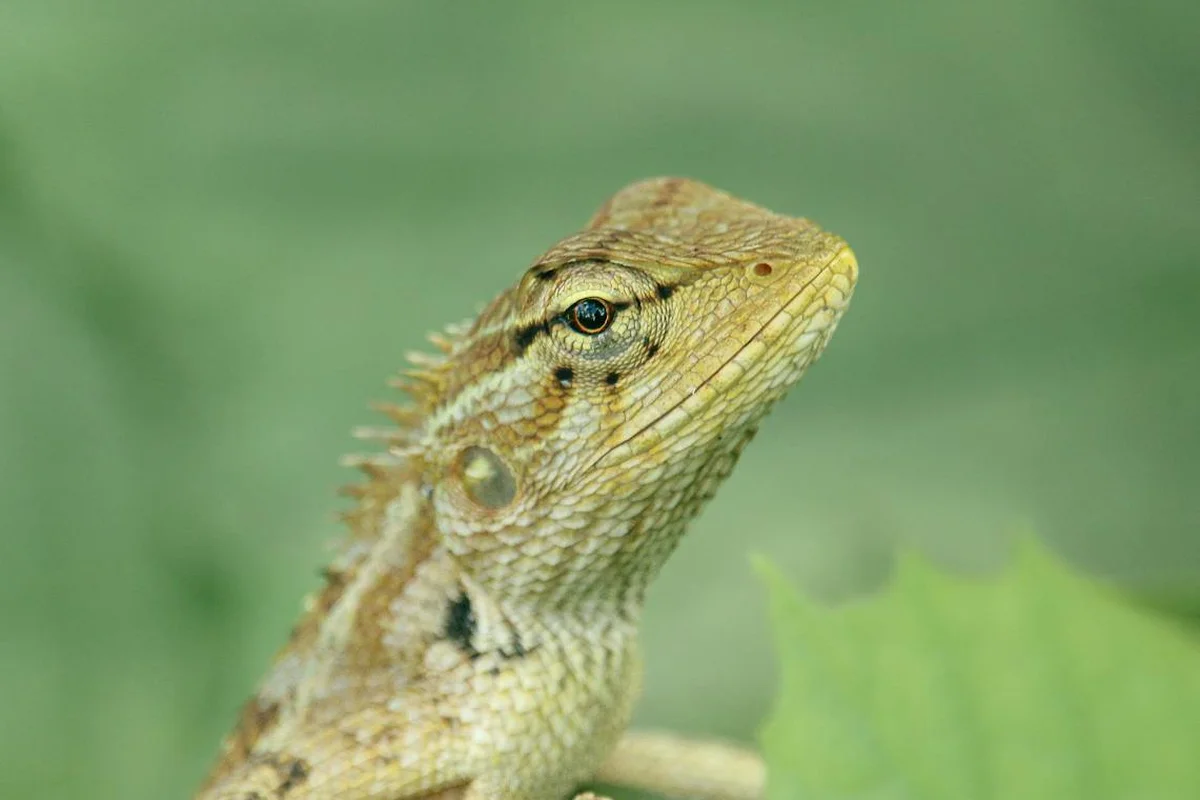
If you decide to offer a little corn after reading the risks, that’s your call. I’ve done it a handful of times over the years as a tiny, special treat. The absolute key is to treat corn like dragon junk food-a very rare, tiny portion offered with care. Here is my personal method for doing it as safely as possible.
Preparation is Everything
You can’t just toss a kernel in the tank. Proper prep reduces some of the risks.
- Always Cook It: I always steam or boil the corn until it’s soft. This makes it slightly easier to digest than hard, raw kernels.
- Cool Completely: Let the corn cool down to room temperature. You never want to serve warm food that could burn their mouth.
- Cut it Up: Slice the kernels in half or even mash them lightly with a fork. This helps prevent any choking hazard.
Serving Size and Frequency
This is the most critical part. Overdoing it is where the trouble starts.
- Tiny Portions Only: I would never give more than half a teaspoon of kernels to an adult dragon.
- Mix With Greens: Scatter those few tiny kernels over a large bed of their regular, healthy greens like collard or mustard greens.
- Rare Treat: This is not a monthly food. I’d consider it a once or twice a year kind of novelty, if at all.
Healthier Food Alternatives to Corn for Bearded Dragons
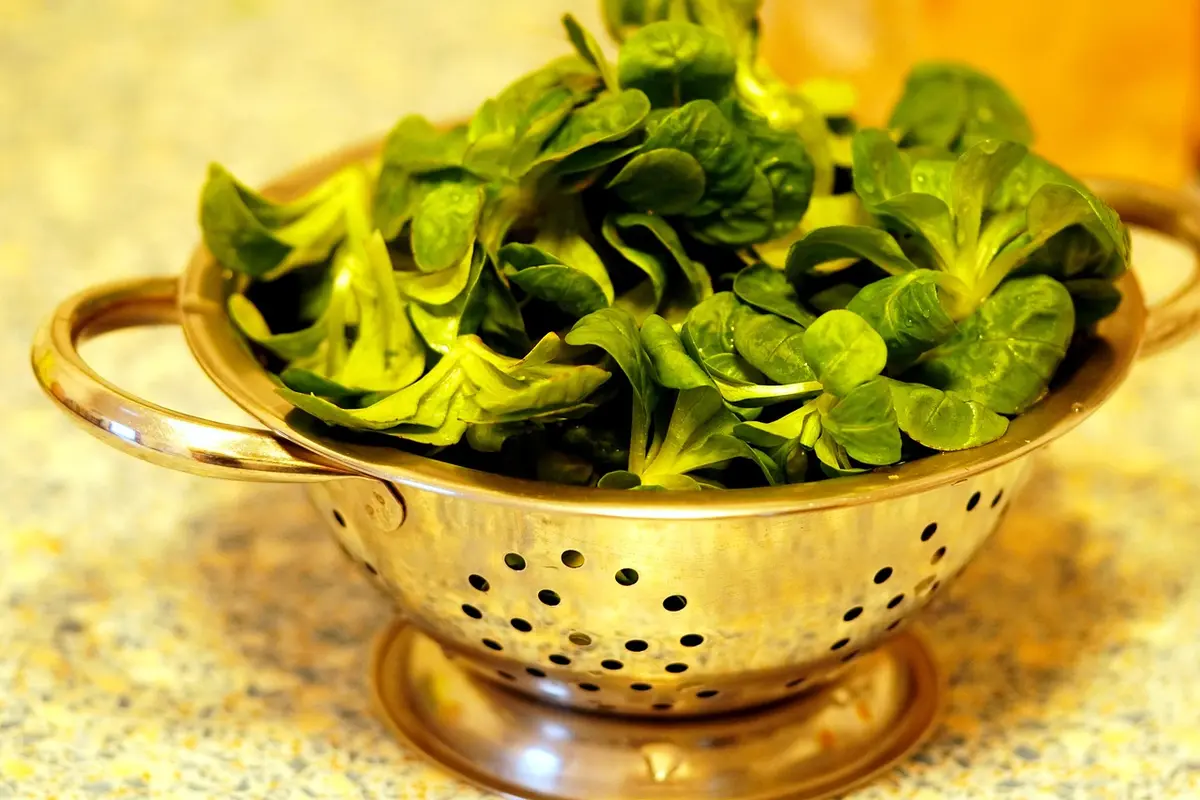
Honestly, your dragon isn’t missing out on anything by skipping corn. There are so many fantastic, nutrient-packed vegetables that are far safer and more beneficial for your scaly friend. These are the foods I rely on to keep my own dragons thriving.
Excellent Staple Vegetables (Daily Offerings)
These greens and veggies should form the foundation of your dragon’s salad.
- Collard Greens
- Mustard Greens
- Dandelion Greens
- Endive
- Butternut Squash (shredded)
Great Occasional Veggies & Fruits (A Few Times a Week)
These add variety and different vitamins. Fruits should be given sparingly due to sugar content.
- Bell Peppers (all colors, finely chopped)
- Acorn Squash
- Green Beans
- Blueberries (a dragon favorite in my house!)
- Raspberries
What to Offer for Protein (Live Feed)
For younger dragons and occasional feedings for adults, live insects are essential.
- Dubia Roaches
- Black Soldier Fly Larvae
- Crickets
- Silkworms
Frequently Asked Questions
What is the purpose of a corner hide for my bearded dragon?
A corner hide offers a secure, sheltered spot for your bearded dragon to retreat and reduce stress, mimicking their natural instinct to find safe hiding places in the wild (especially if you notice your bearded dragon is hiding frequently).
Can I use a corner hammock in my bearded dragon’s enclosure?
Yes, a corner hammock can provide enrichment and a comfortable basking area, but ensure it’s made of safe, non-toxic materials and securely installed to prevent falls or injuries.
What should I consider when choosing a corner feeder for my bearded dragon?
Opt for a corner feeder that is easy to clean, has a stable design to avoid tipping, and is made from smooth, non-porous materials to prevent bacteria buildup and ensure your dragon’s health.
The Bottom Line on Bearded Dragons and Corn
So, can bearded dragons eat corn? Think of it as a very rare, occasional side dish, not a regular part of their meals. A few fresh kernels once a month or so won’t hurt, but its poor nutritional profile means it’s more filler than food. From my own experience, offering a tiny bit as a surprise is fine, but their main diet should always be built around more nutrient-dense greens and insects.
Always skip the canned corn, popcorn, and corn husks entirely. The risks from salt, preservatives, choking hazards, and digestive blockages are simply not worth it. Your dragon has plenty of other delicious and safe treats to enjoy that will keep them thriving for years to come.
Further Reading & Sources
- Can Bearded Dragons Eat Corn? There Are Better Veggies to Offer – Dragon’s Diet
- Can Bearded Dragons Eat Corns? – TopFlight Dubia
- r/BeardedDragons on Reddit: Can bearded (rankins) dragons eat boiled corn and peas?
Bearded Dragon Lair is the ultimate resource for bearded dragon enthusiasts, offering expert advice and practical tips to ensure the health and happiness of your scaly companion. With years of experience in reptile care, we are dedicated to providing accurate, up-to-date information to support your bearded dragon journey.
Feeding Guidelines