Can Bearded Dragons Eat Spiders? (And Are Spider Plants Safe?)
Published on: January 14, 2026 | Last Updated: January 14, 2026
Written By: Beardie Joe
You’re staring at a tiny spider scurrying across the floor, and your curious beardie is staring right along with you, which probably has you wondering if it’s a safe snack.
As a long-time bearded dragon owner, I’ve navigated these exact questions and I’m here to help you sort through the confusion.
In this article, we’ll cover the real risks of feeding live spiders, identify completely safe alternatives for protein, and give you the final word on the popular Spider Plant.
Can Bearded Dragons Eat Spiders?
No, you should never feed spiders to your bearded dragon. This is one of the few hard-and-fast rules I follow with my own dragons, as the risks far outweigh any potential benefit. Their bodies are not designed to process arachnids, and the consequences can be severe. In a complete feeding guide for bearded dragons and other pets, you’ll find safe staple foods and clear avoidances. It also helps you compare what bearded dragons eat with what wild dragons might encounter in nature.
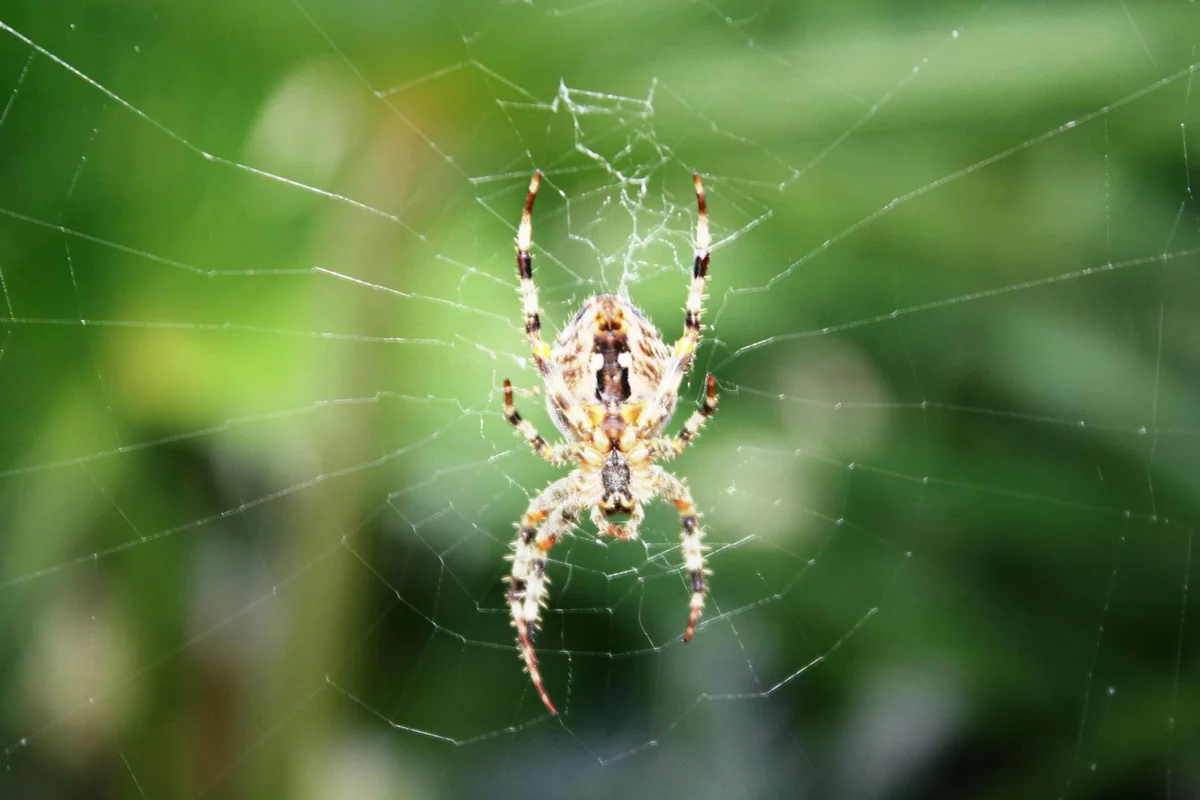
I learned this lesson early on when one of my first dragons became ill after snatching a house spider. The main dangers come from venom, unknown internal toxins, and the physical size of the prey. Even a non-venomous spider can carry pesticides or harmful bacteria from the environment.
- Venom: Many common spiders produce venom to subdue their own prey, and this can cause neurological issues or organ damage in your reptile.
- Unknown Toxins: Spiders might have eaten poisoned insects, transferring those chemicals directly to your pet.
- Prey Size & Impaction: A spider’s hard exoskeleton is difficult to digest and can lead to a dangerous gut impaction.
Wild-caught spiders are especially hazardous. I never collect insects or spiders from outdoors for my pets because you cannot know what they’ve been exposed to. They could be carrying parasites or have walked through lawn chemicals, making them a ticking time bomb for your dragon’s health.
Risks of Spider Intake for Bearded Dragons
Understanding the specific threats helps you act quickly if an accident happens. In a home environment, a few spider species pose a serious risk if your dragon manages to catch one. Always be vigilant about what crawls into their enclosure.
Common venomous spiders found in homes include the Black Widow and the Brown Recluse. Their bites deliver potent venom that can cause severe pain and systemic illness in a small animal like a bearded dragon. Even a small dose is dangerous due to your pet’s size.
If you suspect your bearded dragon has been bitten, watch for these symptoms:
- Sudden lethargy or weakness
- Swelling, redness, or a visible bite mark
- Loss of appetite or refusal to drink
- Difficulty breathing or unusual gaping
- Tremors, twitching, or an inability to move normally
Your first-aid response is critical. Stay calm and move your dragon to a quiet, warm enclosure to reduce stress. Do not try to suck out venom or apply any creams, as this can make things worse.
- Gently wipe the area with a clean, damp cloth to remove any external contaminants.
- Keep your pet hydrated by offering water via a dropper if they will drink.
- Monitor their breathing and behavior closely for any rapid changes.
You must contact an exotic veterinarian immediately, even if symptoms seem mild at first. Spider venom can affect reptiles differently than mammals, and professional intervention is often needed to manage the reaction and provide supportive care.
Safe Insect Varieties for Bearded Dragon Diets
When it comes to feeding your bearded dragon, variety isn’t just the spice of life—it’s the foundation of good health. I’ve found that offering a mix of different insects keeps my dragons engaged and ensures they get a full spectrum of nutrients. Not all insects are safe, though—some bugs can be toxic or hard to digest. A quick bearded dragon insect guide helps you spot safe versus toxic prey and tailor variety safely.
Here are my go-to, safe, and nutritious staple insects:
- Crickets: A classic choice, they’re great for encouraging natural hunting behavior.
- Dubia Roaches: My personal favorite; they are meatier, less smelly, and don’t chirp!
- Black Soldier Fly Larvae (Nutrigrubs): These are fantastic because they are high in calcium, reducing the need for heavy dusting.
You can also offer these as occasional treats:
- Silkworms
- Hornworms (great for hydration!)
- Butterworms
The rule of thumb for prey size is simple: never feed an insect that is larger than the space between your dragon’s eyes. This prevents choking and dangerous impactions. For a young, growing dragon, I feed insects twice a day. For a healthy adult, once a day or every other day is perfect. A complete feeding schedule tells you exactly how often to feed at each life stage. Sticking to it helps ensure balanced nutrition and steady growth.
Gut loading is a non-negotiable step. This means feeding your feeder insects highly nutritious foods like sweet potato, leafy greens, and commercial gut load formulas 24-48 hours before offering them to your dragon. A well-fed insect is a nutritious meal for your pet. I always dust the insects with a calcium supplement a few times a week and a multivitamin once a week to cover any nutritional gaps. To help you decide how often to feed, a complete daily feeding guide can show the right balance of insects, greens, and supplements for each day. It explains how gut loading, greens, and supplements fit into a practical day-by-day plan.
Are Spider Plants Safe for Bearded Dragon Enclosures?
Let’s clear this up right away: yes, the common spider plant (Chlorophytum comosum) is considered non-toxic to bearded dragons. I’ve had them in my own enclosures for years without any issues. That said, this isn’t a blanket safety guarantee. For a full list of toxic foods to avoid, consult a bearded dragon eating guide.
Spider plants offer some nice benefits for your dragon’s habitat. They provide visual barriers that can make a shy dragon feel more secure. The long, arching leaves create fantastic enrichment, encouraging natural climbing and exploration behaviors. While not a primary food source, it’s generally safe if your dragon takes an occasional, curious nibble on a leaf.
The real danger with any live plant isn’t the plant itself, but what’s on it. Pesticides and chemical fertilizers are the hidden threats. You must source your plants from a reputable, organic grower or prepare them yourself. I always follow this safety ritual with any new plant:
- Gently remove the plant from its original pot and thoroughly wash all the soil from the roots.
- Re-pot the plant in organic, fertilizer-free soil.
- Keep the plant in a separate, safe area for at least a few weeks to monitor it and allow any residual chemicals to leave the system.
- Wash the leaves thoroughly before finally placing it in the enclosure.
This process takes a little time, but it’s the only way to be certain your dragon’s new jungle gym is truly safe.
Incorporating Safe Plants for Hydration and Enrichment
Adding plants to your bearded dragon’s habitat can boost their hydration and mental stimulation, but it has to be done thoughtfully. I always start by choosing one non-toxic plant, such as basil, and observing my dragons for a full day before making it a permanent fixture. This slow approach prevents stress and lets you see how they interact with the new addition.
- Select a single, bearded dragon-safe plant like a spider plant or basil to begin with.
- Thoroughly rinse the plant under cool water to remove any dirt or chemical residues.
- Place the plant in a secure pot or area where your dragon can’t easily knock it over.
- Watch your pet’s behavior for signs of curiosity rather than fear, like gentle sniffing or climbing.
- If they ignore it or seem stressed, try a different type of plant or location after a few days.
Beyond spider plants, there are many other safe options that provide nutrients and enrichment. In my own enclosures, I rotate through a variety of leafy greens and herbs to keep things interesting and nutritious. This variety mimics their natural foraging instincts and supports overall health.
- Collard greens and dandelion greens are excellent for daily munching and hydration.
- Basil and mint add aromatic variety and are perfectly safe in small amounts.
- Hibiscus flowers and leaves can be a colorful, occasional treat.
- Mustard greens and turnip greens offer calcium and fiber.
- Endive and escarole are mild options that many dragons enjoy.
Keeping the habitat clean is just as important as plant selection. I make it a habit to remove any wilted leaves or uneaten plant matter daily to prevent mold and bacteria growth. A simple wipe-down of plant pots and surfaces with a reptile-safe disinfectant weekly maintains a healthy environment.
- Spot-clean the enclosure every day to remove feces or debris near plants.
- Use a shallow water dish for hydration, but avoid over-wetting plant soil to deter pests.
- Rotate plants every few weeks to prevent boredom and over-grazing on one type.
- Check plants regularly for signs of pests or disease before introducing them.
- Ensure all plants are organic or home-grown to avoid pesticide exposure.
Recognizing Dietary Risks and Health Issues
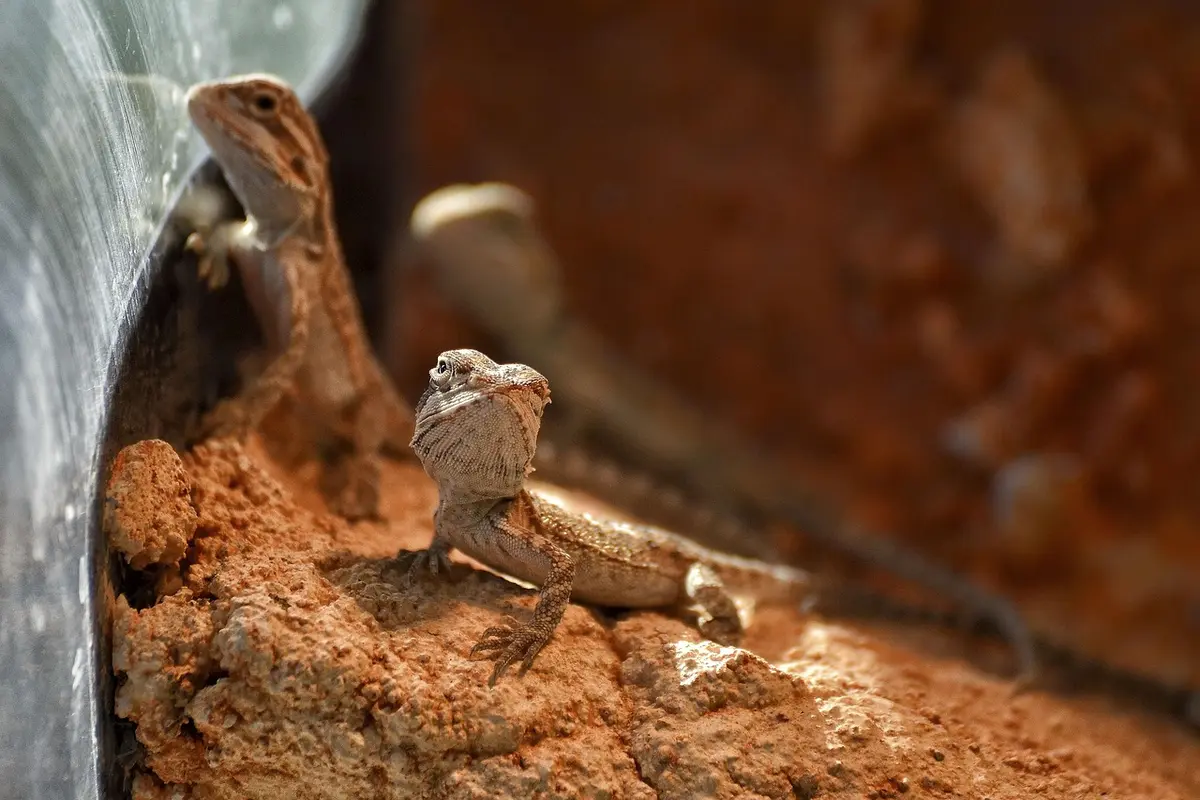
Even with safe plants, bearded dragons can show subtle signs of trouble if something doesn’t agree with them. From my experience, the first red flags often include a sudden lack of energy or refusal to eat their usual favorites. Overfeeding can also cause digestive upset or obesity, so recognizing those signs is important. To prevent problems, keep portions appropriate and monitor weight and digestion. Catching these early can prevent more serious health issues down the line.
- Lethargy or unusual hiding for extended periods.
- Loss of appetite or disinterest in food for more than a day.
- Swelling around the mouth or face, which could indicate an allergic reaction.
- Diarrhea or changes in stool consistency and color.
- Excessive scratching or rubbing against objects, suggesting discomfort.
Monitoring hydration is a daily task that tells you a lot about their well-being. I gently pinch the skin on my dragon’s back; if it doesn’t snap back quickly, they might be dehydrated. Also, keep an eye on their urates-the white part of their poop-which should be soft and moist, not chalky or hard.
- Offer fresh water in a shallow dish and mist greens lightly to encourage drinking.
- Watch for sunken eyes or dry, wrinkled skin, which are clear dehydration signs.
- Weigh your dragon weekly to track any sudden weight loss or gain.
- Note their activity levels; a hydrated dragon is typically more alert and active.
- Provide regular baths to help with hydration and skin shedding.
Knowing when to adjust care or seek help can save your dragon from prolonged discomfort. If you see persistent symptoms like vomiting or labored breathing, don’t wait-contact a reptile vet immediately. I’ve learned that quick action is key, especially with digestive issues from improper diet.
- Adjust their diet by removing any new plants or foods if symptoms appear.
- Seek professional help if symptoms last more than 24 hours or worsen rapidly.
- Keep a log of what your dragon eats and any behavior changes to share with the vet.
- Ensure their habitat temperature and UVB lighting are optimal, as stress from poor setup can mimic illness.
- Trust your instincts; if something feels off, it’s better to be cautious and get expert advice.
Frequently Asked Questions
Is it safe to dress my bearded dragon in a spider costume?
No, it is not recommended to put any costume on your bearded dragon, as it can cause stress, restrict movement, and potentially lead to injury or overheating.
Can my bearded dragon wear a Spider-Man costume?
Avoid using Spider-Man or any detailed costumes, as small parts may be chewed or ingested, and the fabric could interfere with thermoregulation, posing health risks.
Do bearded dragons naturally try to eat spiders they encounter?
Bearded dragons may instinctively chase moving objects like spiders, but it’s crucial to prevent this due to the risks of venom, toxins, and impaction discussed in the article. If your dragon isn’t eating, understanding the causes can point you to causes and practical solutions. Common culprits include stress, incorrect temperatures, and dietary issues, so adjusting enclosure conditions and offering appropriate prey can help restore appetite.
Final Verdict
The bottom line is simple: never feed your bearded dragon a spider you find, but you can safely decorate with a Spider Plant. The risks from wild-caught spiders—parasites, pesticides, and venom—are far too great for your scaly friend. I stick to trusted, gut-loaded feeder insects for my dragons’ protein. This approach fits into our bearded dragons eat complete guide to safe foods, which covers balanced insect options, safe greens, and occasional fruit choices.
Spider Plants are a fantastic, worry-free choice to add a touch of green to your dragon’s home. They are non-toxic, hardy, and from my own experience, they can handle a curious beardie taking an occasional investigative nibble without harming your pet or the plant. Always prioritize safety and stick to the approved lists for both food and foliage. For greens, consult a complete safe/unsafe list of what bearded dragons may eat. Spider plants are a safe option on many greens lists, but always verify with that guide before introducing new greens.
Further Reading & Sources
- Plants for Bearded Dragons – Cedar Bridge Botanicals
- What Plants Can Bearded Dragons Eat? | by Marcie Pratt | Medium
- Wheat grass, Spider plant, & Aloe Safe for beardies? | Enclosures
Bearded Dragon Lair is the ultimate resource for bearded dragon enthusiasts, offering expert advice and practical tips to ensure the health and happiness of your scaly companion. With years of experience in reptile care, we are dedicated to providing accurate, up-to-date information to support your bearded dragon journey.
Feeding Guidelines