Can Bearded Dragons Recover from MBD?
Seeing the first signs of Metabolic Bone Disease (MBD) in your bearded dragon can be terrifying, but I want you to know that recovery is often possible.
I’ve personally nursed rescues back to health, and in this guide, I’ll walk you through exactly what I did, using proven veterinary advice.
We’ll cover the immediate steps for treatment, how to prevent it from ever happening again, and what a realistic recovery timeline looks like.
Understanding Metabolic Bone Disease in Bearded Dragons
Metabolic Bone Disease, or MBD, is a serious but common health issue where a dragon’s body can’t use calcium properly. This leads to weak, soft bones that can’t support their body weight. Think of it like their skeleton is made of brittle chalk instead of strong, flexible bone.
I remember the first time I saw the signs in one of my dragons, Ember. She was just a little less enthusiastic about her crickets and seemed clumsier when climbing. It was so subtle I almost missed it. A vet visit confirmed early-stage MBD, and that moment taught me to always trust my gut when something seems “off” with my pets.
Calcium is the main building block for strong bones, but it’s useless without Vitamin D3. Your dragon’s body uses D3, which it gets from proper UVB light, to actually absorb that calcium from their food. Without this powerful duo working together, their body starts to pull calcium from their bones, leaving them fragile and prone to breaking. It’s why proper supplementation is crucial for their health.
Recognizing the Signs and Symptoms of MBD
Early Warning Signs of MBD
Catching MBD early makes a world of difference in recovery. From my experience with Ember, the early signs are easy to dismiss as just a “bad day.” You have to be a dedicated observer.
- A general lack of energy or being less active than usual.
- Picking at food or refusing favorite treats.
- Very slight shaking or twitching in the toes, legs, or tail.
- Their jaw may feel a bit soft or rubbery if you gently touch it.
- You might notice their limbs seem softer when you handle them.
Acting on these subtle clues is your best chance for a straightforward recovery. Don’t wait for things to get worse.
Moderate to Advanced MBD Symptoms
When MBD progresses, the symptoms become impossible to ignore. The physical changes are heartbreaking to see and signal a critical health emergency.
- A noticeable curve or bump in the spine or tail.
- Legs and jaw appear swollen or thickened.
- They have trouble walking, lifting their body, or climbing.
- They may stop basking entirely because moving is too painful.
- Significant weight loss becomes evident.
- In severe cases, they can experience seizures or paralysis.
If you see any of these advanced symptoms, your dragon needs immediate veterinary care. This is not something that can be fixed with diet changes alone. The clock is ticking for their quality of life. These are among the 12 critical symptoms every bearded dragon owner should never ignore. Early veterinary care can make a life-or-death difference.
What Causes MBD in Bearded Dragons?
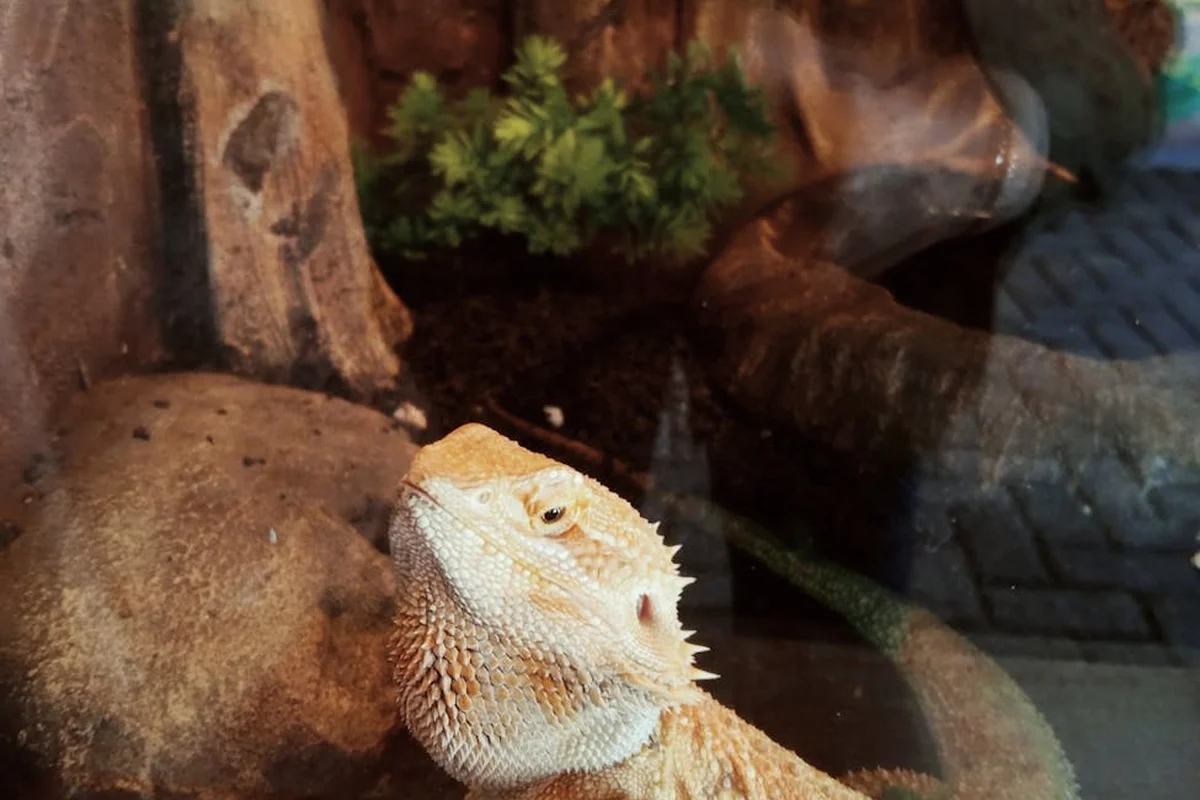
Metabolic Bone Disease doesn’t just appear out of nowhere. It’s a slow, creeping condition born from a few critical husbandry mistakes. The two absolute biggest culprits are inadequate UVB lighting and poor calcium supplementation. I learned this the hard way with my first beardie, Spike, and it completely changed how I care for my reptiles.
Primary Causes of MBD
- Inadequate UVB Lighting: Your bearded dragon cannot process calcium without proper UVB exposure. It’s non-negotiable. A weak bulb, a clogged mesh top blocking the rays, or a light that’s too far from the basking spot creates a vitamin D3 deficiency. Their bodies can’t use the calcium they eat without it.
- Poor Calcium Supplementation: Even with perfect UVB, they need direct calcium intake. Dusting their insects with a pure calcium powder (without D3 if your UVB is optimal) is a must. I aim for 4-5 feedings a week for juveniles and 2-3 for adults.
- Calcium to Phosphorus Ratio Imbalance: This is a sneaky one. Phosphorus binds to calcium and prevents its absorption. You need a diet where calcium levels are higher than phosphorus. I always check the ratio and aim for a 2:1 (calcium to phosphorus) balance in their overall diet.
Common Risk Factors
- Improper Basking Temperatures: If the basking spot isn’t hot enough (105-110°F for babies, 95-105°F for adults), their digestion falters. A cold dragon can’t metabolize nutrients properly, making all your supplementation efforts useless.
- Incorrect Gut Loading: Feeding your insects nutrient-poor food like potato slices or just bran means you’re passing empty calories to your dragon. I gut load with high-calcium greens like collard and mustard greens, sweet potato, and commercial gut load formulas for at least 24 hours before feeding.
- Using calcium sand or other dangerous substrates that can be ingested and cause impaction.
- Offering a diet too high in phosphorus-rich foods like spinach, beet tops, or broccoli too frequently.
After Spike’s scare, I overhauled my entire routine. I set calendar reminders to replace my UVB tube every 6 months, bought a solar meter to check its output, and created a weekly supplement schedule I stick to without fail. Consistency is the true guardian against MBD.
How MBD Is Diagnosed and When to See a Vet
If you suspect MBD, a qualified reptile vet is your only correct path. Don’t wait, and never try to treat it yourself. Early intervention is the single greatest factor for a successful recovery.
The Veterinary Diagnosis Process
Your vet will perform a series of steps to confirm MBD and assess its severity.
- Physical Examination: The vet will gently feel for softness in the jaw (called “rubber jaw”), check for bumps or kinks in the spine and limbs, and assess muscle tone and reflexes.
- X-rays (Radiographs): This is the definitive test. An X-ray will reveal thin bone cortices, poorly defined bones, and sometimes even spontaneous fractures that aren’t visible from the outside. It shows the internal cost of the nutritional deficit.
- Blood Tests: While not always necessary for a diagnosis, a blood test can measure ionized calcium levels, providing a clear picture of the metabolic imbalance.
Emergency Signs Requiring Immediate Care
Some symptoms mean you need to skip the phone call and go straight to an emergency clinic.
- Paralysis in the hind legs or tail.
- Severe lethargy where your dragon cannot lift its body off the ground.
- Visible, severe tremors or seizures.
- A completely limp jaw or an inability to eat or drink.
Seeing your dragon paralyzed is a terrifying experience, and every minute counts for their pain management and treatment.
Preparing for Your Vet Visit
Being prepared helps your vet help your dragon faster.
- Write down a detailed history of your setup: the brand and type of UVB light, its age, distance from basking spot, enclosure temperatures, and your exact supplement schedule.
- Bring photos of your enclosure setup, including the lighting. This gives the vet instant context.
- Transport your dragon in a secure, warm carrier. I use a small plastic bin with a secure lid and air holes, lined with a towel and a disposable heat pack for longer trips.
- Come with a list of your questions. It’s easy to get flustered in the moment.
Treatment Strategies for MBD Recovery
Veterinary Interventions
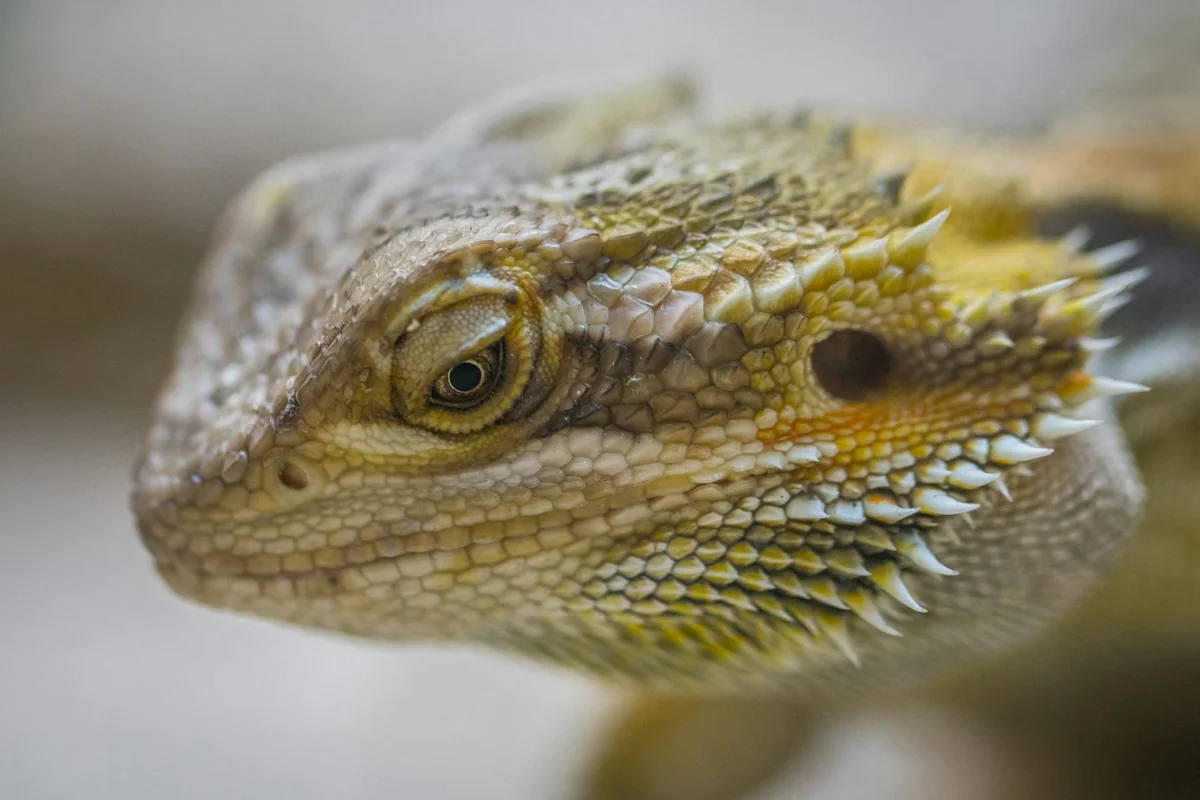
Seeing a reptile veterinarian is the single most important step you can take for a dragon with MBD. They will create a targeted treatment plan that you simply cannot replicate at home. Bearded dragons benefit from regular vet checkups to monitor bone health and catch problems early. This guide explains when to go, what to expect at a visit, and how to recognize emergencies.
- Common treatments include calcium injections, vitamin D3 supplements, and pain management. The injections deliver a powerful, fast-acting dose of calcium directly into the bloodstream, which is crucial for stopping seizures and stabilizing the dragon’s condition.
- Oral liquid calcium and vitamin D3 supplements are then prescribed for daily use. These medications work together to flood the body with the building blocks it desperately needs. The calcium repairs the soft, weak bones, while the D3 acts like a key, unlocking the body’s ability to actually use that calcium effectively.
- From my experience rehabilitating a rescue named Ember, the vet’s guidance was everything. Her treatment started with weekly calcium injections and daily liquid supplements. Watching her stop trembling after that first injection was a relief I can’t put into words. We followed the vet’s dosage schedule to the letter, and it made all the difference in her recovery.
Supportive Home Care
Your job at home is to create an environment that fully supports the veterinary treatment. This is where the real healing happens day by day.
Dietary adjustments are non-negotiable. You need to become a master of calcium.
- Offer high-calcium greens like collard greens, dandelion greens, and mustard greens as the staple of their salad.
- For insects, gut loading is essential. I feed my feeder insects a nutritious diet of these same greens and a commercial gut-load product for at least 24 hours before they become food.
- Every single insect feeding, for a dragon in recovery, must be dusted with a phosphorus-free calcium powder.
Optimizing your UVB lighting is just as critical as diet.
- Use a linear fluorescent UVB tube (like a T5 HO 10.0 or 12%) that spans about half the enclosure’s length.
- Mount it inside the screen lid if possible, as mesh can block a significant amount of the crucial rays.
- Ensure the basking spot is within the proper distance specified for your specific bulb, usually 12-15 inches, so your dragon can properly synthesize D3.
Gentle physical therapy can help maintain muscle tone and flexibility.
- I would gently, and I mean very gently, manipulate Ember’s legs through a normal range of motion for a few minutes each day.
- Swimming in shallow, warm (not hot) water can provide buoyancy and encourage them to move their limbs without bearing full weight. Always supervise bath time closely, as a weak dragon can easily drown.
- Provide soft, flat surfaces for resting and use low-sided food dishes so they can eat without struggling.
The MBD Recovery Timeline and Long-Term Management
Recovery from Metabolic Bone Disease is a marathon, not a sprint. It requires immense patience.
- The recovery typically moves through phases. The first is initial stabilization, where you stop the progression of the disease and address critical issues like low blood calcium. Next comes a period of gradual improvement where you might see increased appetite, more energy, and slowly improving strength and mobility.
- Set realistic expectations for the timeline. You might see small improvements in a few weeks, but significant healing and bone remodeling can take many months. For severe cases, some deformities, like a kinked tail or a crooked jaw, may be permanent, even if the dragon is otherwise healthy.
- Monitoring for relapse is a lifelong commitment. You must maintain perfect husbandry forever. Any slip-up with UVB or diet can cause the condition to flare up again. I do a weekly “husbandry check” on all my tanks to ensure everything is running perfectly.
- Ongoing care means this becomes your new normal. Consistent calcium supplementation, a fresh UVB bulb replaced every 6-12 months, and a nutrient-rich diet are now part of your routine.
- My dragon Ember is a success story. When I got her, she could barely lift her own body. Her front legs were rubbery. It took over eight months of dedicated care, but she learned to walk properly again. She will always have a slightly awkward gait, but she climbs her rocks, hunts her bugs, and lives a full, happy life. That journey was long, but seeing her thrive was worth every single moment.
Preventing MBD in Your Bearded Dragon
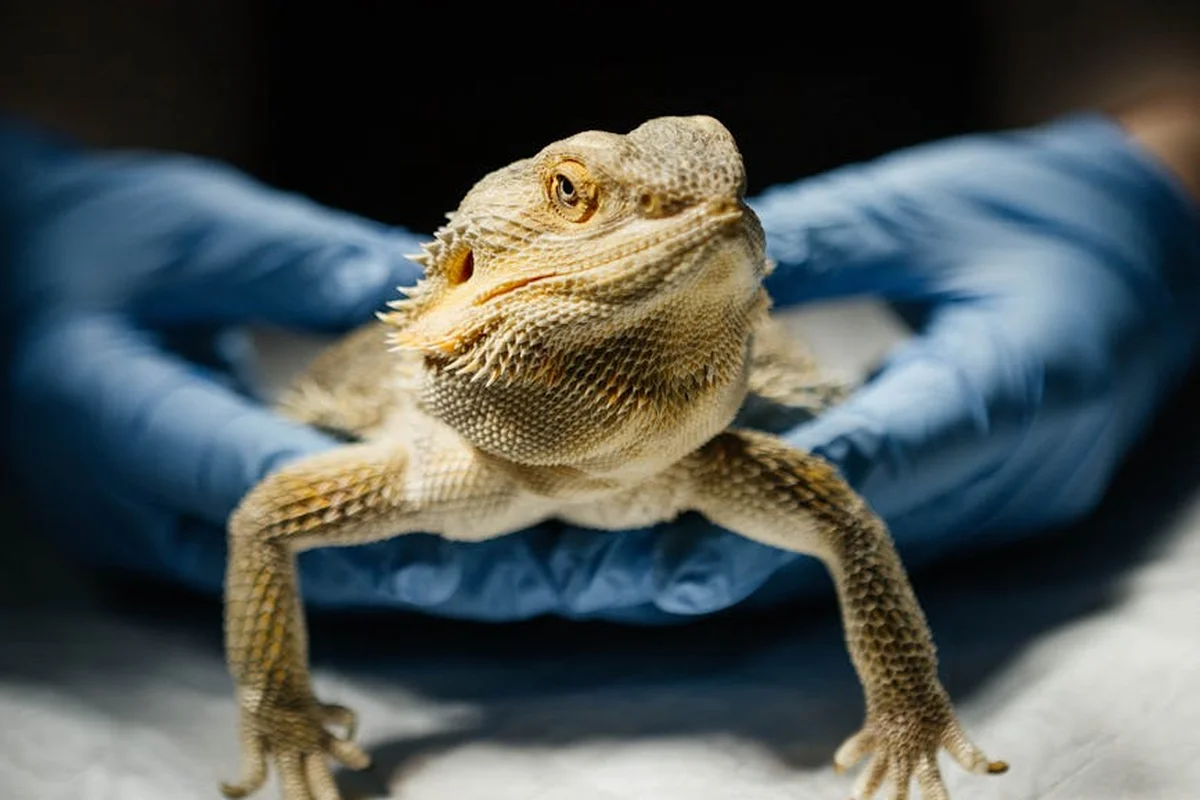
Preventing Metabolic Bone Disease starts with daily habits that become second nature. I’ve learned through caring for my own dragons that consistency in these few areas makes all the difference. Let’s break down the most effective ways to keep your beardie’s skeleton strong and healthy—especially when you’re dealing with issues like stunted growth.
Master Your UVB Setup and Calcium Routine
Your dragon’s UVB light is their non-negotiable source of synthetic sunshine. Place the UVB tube so it shines directly down, not at an angle, and is no further than 12 inches from your dragon’s main basking spot. In my setup, I use a meter to check the output every six months because the bulbs lose strength long before they burn out. For calcium, I lightly dust nearly every insect meal with a phosphorus-free powder. Think of it as a daily vitamin sprinkle that’s simple to do but powerful for prevention. It’s essential to ensure that your lighting setup meets the UVB requirements and daily light cycles for healthy bearded dragons.
- Use a long, tube-style UVB bulb that covers at least two-thirds of the enclosure length.
- Replace UVB bulbs every 6-12 months, even if they still light up.
- Dust feeder insects with calcium powder 5-6 times a week for juveniles and 3-4 times for adults.
- Offer a pure calcium supplement in a small dish inside the habitat for free-choice consumption.
Build a Diet with the Right Calcium to Phosphorus Balance
What your dragon eats directly fuels-or fails-their bone health. I always aim for a diet where the calcium level is at least twice the phosphorus level in their overall food intake. This means being picky about your greens and bugs. I’ve seen the best results by basing salads around collard greens, dandelion greens, and butternut squash. Steer clear of high-phosphorus foods like spinach and beet greens, which can secretly bind calcium and make it unusable. Spinach is a textbook example of the calcium-oxalate problem: its oxalates bind calcium and limit its absorption, which can hinder bone health in bearded dragons. That’s exactly why I explain this issue so owners understand why spinach isn’t a reliable calcium source.
- Excellent staple greens: Collard greens, mustard greens, and turnip greens.
- Great feeder insects: Dubia roaches and black soldier fly larvae are naturally well-balanced.
- Limit insects high in phosphorus, such as mealworms and superworms, to occasional treats.
- Gut-load your feeder insects with nutritious vegetables 24 hours before offering them.
Make Habitat Checks and Vet Visits Non-Negotiable
Your dragon’s home environment needs regular tune-ups, just like a car. I do a quick habitat check every single day when I feed them, looking for any red flags. This proactive habit has helped me catch a flickering bulb or a dropped temperature before it became a problem. For bearded dragons, a Thrive Complete Care Checklist helps ensure you cover lighting, temperatures, UVB, diet, and enclosure upkeep. Following it alongside daily checks keeps care thorough and consistent. Committing to an annual vet visit is one of the kindest things you can do for your pet, as it ensures any subtle issue is caught early. It’s a core part of responsible animal welfare that I passionately advocate for.
- Daily: Verify basking spot and cool side temperatures with a digital thermometer.
- Weekly: Deep clean the enclosure and check all equipment is functioning properly.
- Annually: Schedule a wellness exam with a reptile-savvy vet, including a fecal test for parasites.
- Watch for early behavioral signs: Lethargy, decreased appetite, or awkward movement can signal a problem.
Frequently Asked Questions
How quickly should I seek veterinary care for suspected MBD?
You should contact a reptile veterinarian immediately if you notice any signs of MBD, as early intervention greatly improves recovery chances. For advanced symptoms like paralysis or seizures, seek emergency care without delay to manage pain and prevent further deterioration.
What are the long-term prospects for a bearded dragon that has recovered from MBD?
With consistent proper care, many bearded dragons can live full, happy lives after MBD recovery, though some may have permanent deformities like a kinked tail or awkward gait. Unlike some other lizards, bearded dragons can’t regrow tails, so ongoing vigilance with UVB lighting, diet, and vet check-ups is essential to prevent relapse and maintain their health.
Are there any supplements I should avoid during MBD treatment?
Avoid calcium supplements with added phosphorus and high-phosphorus foods like spinach or beet tops, as they can hinder calcium absorption. Stick to phosphorus-free calcium powders and focus on a balanced diet to support effective treatment without interference.
Final Thoughts
Yes, bearded dragons absolutely can recover from Metabolic Bone Disease with swift, dedicated intervention. The journey back to health hinges on a correct diagnosis and a multi-pronged approach: proper UVB lighting, calcium and vitamin D3 supplementation, and often veterinary-prescribed treatments. To help you gauge progress, here’s a complete health check guide on how to tell if your bearded dragon is healthy. It highlights the key signs of wellness and red flags that mean a vet visit is warranted. I’ve seen dragons with wobbly legs regain their strength, a transformation that is always incredible to witness.
Prevention, however, will always be the best and kindest medicine. Providing the correct habitat setup from the very beginning is the single most powerful thing you can do for your dragon’s long-term health. A quality UVB tube light, a balanced diet with proper dusting, and regular check-ups are simple habits that build a foundation for a vibrant, active life. For first-time keepers, a complete bearded dragon care guide can walk you through every step. It covers enclosure setup, lighting, diet, and regular health checks to keep your dragon thriving.
Further Reading & Sources
- Metabolic Bone Disease 101: Keep Your Bearded Dragon Healthy – Dragon’s Diet
- r/BeardedDragons on Reddit: What to expect with a recovering MBD dragon?
- Metabolic Bone Disease in Bearded Dragons: A Friendly Guide
Bearded Dragon Lair is the ultimate resource for bearded dragon enthusiasts, offering expert advice and practical tips to ensure the health and happiness of your scaly companion. With years of experience in reptile care, we are dedicated to providing accurate, up-to-date information to support your bearded dragon journey.
Common Diseases