Should You Wake a Bearded Dragon from Brumation? (And How to Do It Safely)
Published on: March 21, 2026 | Last Updated: March 21, 2026
Written By: Beardie Joe
Watching your bearded dragon sleep for weeks can make any owner wonder if they should step in and wake them up.
With years of hands-on experience caring for my own dragons, I’m here to help you navigate this natural process with confidence and care for your pet’s well-being.
We’ll cover when intervention is truly needed, the potential risks of disturbing brumation, and safe, gentle methods to rouse your dragon if necessary.
Understanding Brumation in Bearded Dragons
Think of brumation as a reptile’s version of hibernation, a deep, energy-saving sleep they’re hardwired for. It’s not a sign of sickness; it’s a natural, instinctual process often triggered by cooler temperatures and shorter daylight hours, even in our climate-controlled homes.
During this time, your dragon’s entire system slows way down. Their digestion nearly halts, they sleep for days or even weeks at a stretch, and they might not want to eat or drink much at all. I’ve had dragons that just found a dark corner and didn’t move for a month, and others who were in and out of a sleepy state for an entire season. Every dragon is an individual.
Common Brumation Behaviors
- Sleeping excessively or for days on end
- Hiding more, often burrowing or seeking dark spaces
- A significant decrease or complete loss of appetite
- General lethargy and reduced movement
- They might wake up briefly for a sip of water or a small bask, then go right back to sleep
Deciding Whether to Wake Your Bearded Dragon
This is the million-dollar question for any caring owner. My general rule, born from years of experience, is to let sleeping dragons lie. Interrupting a natural brumation cycle can be more stressful for them than the brumation itself. Their bodies know what they’re doing. It’s important to understand the timing of their brumation periods.
However, there are critical times when you absolutely should wake them and seek help. Your dragon’s welfare is the top priority.
When You Should NOT Wake Them
- If they are simply sleeping a lot but otherwise appear healthy when they are awake.
- If they have a slight weight loss but are not emaciated.
- During their first brumation, as it’s a normal, albeit nerve-wracking, milestone.
Clear Signs You MUST Intervene and Wake Them
- Rapid or significant weight loss. You should feel their hip bones and base of the tail, but the spine should not be sharply protruding.
- Signs of dehydration, like sunken eyes, loose or wrinkled skin, or a lack of skin elasticity.
- You notice any discoloration, swelling, or injury on their body.
- They are trying to brumate on a loose substrate, which is a serious impaction risk.
- If they have any pre-existing health conditions, a vet may advise against a full brumation.
When in doubt, a quick check-in with a reptile-savvy vet can give you immense peace of mind. I always recommend a wellness check and a fecal test right before you suspect brumation season will start. This ensures they go into their long nap parasite-free and in peak condition.
Recognizing Normal Brumation vs. Health Issues
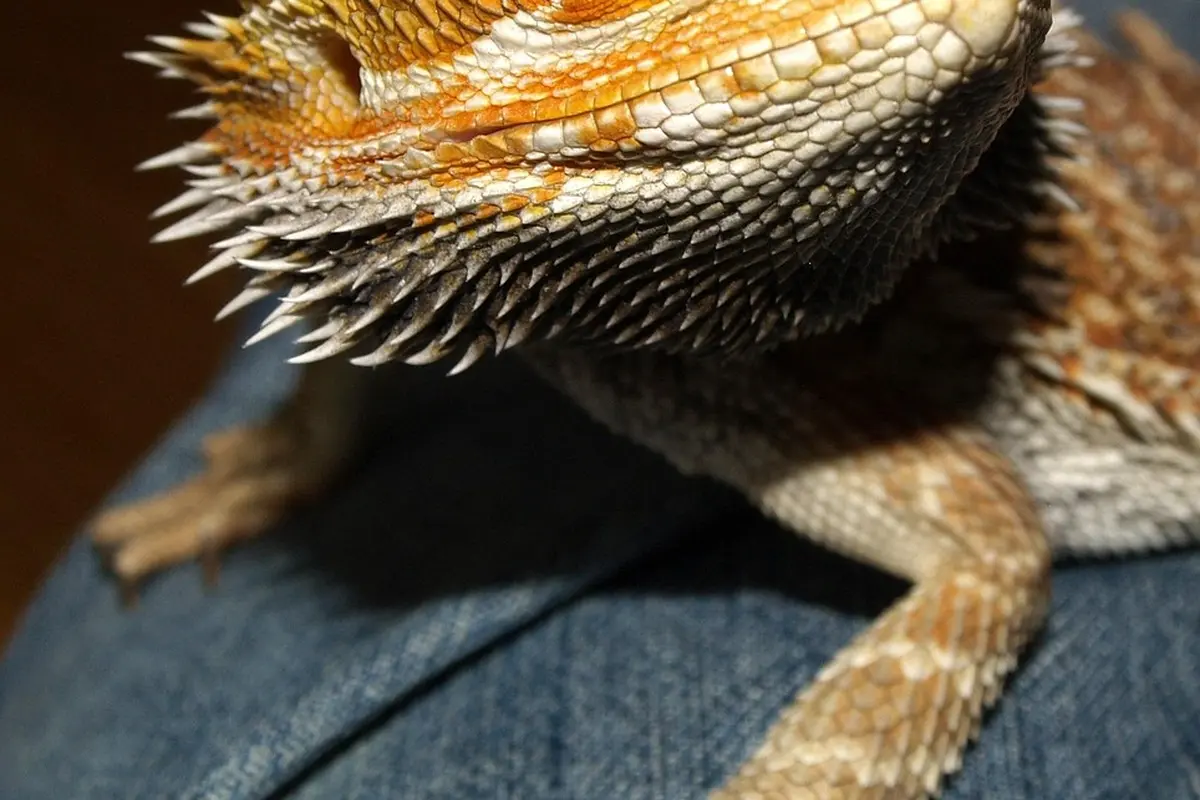
It can be nerve-wracking to watch your lively dragon become so still. I’ve spent many hours just watching my oldest dragon, Draco, during this time, learning to trust the process. The key is knowing the difference between a natural, healthy slowdown and a sign that something is wrong.
Common Signs of Bearded Dragon Brumation
When a bearded dragon enters brumation, their body is purposefully dialing back its systems to conserve energy. You’ll notice a distinct pattern of behaviors. Not all bearded dragons brumate, and the experience varies by individual and environment. If your dragon does brumate, expect decreased appetite, longer periods of stillness, and reduced basking.
- Sleeping for much longer periods, often in a favorite hide.
- A significant decrease in appetite or a complete refusal of food.
- General lethargy and a lack of interest in exploring.
- Preferring darker, quieter spots in the enclosure.
I’ve seen Draco sleep for weeks, only waking occasionally for a quick, clumsy sip of water before dozing off again. This reduced activity and fasting is a normal, programmed part of their annual cycle.
Warning Signs That Require Attention
Not every long nap is brumation. Some symptoms point directly to illness and demand a vet visit. You need to play detective here.
- Rapid, noticeable weight loss. A healthy brumating dragon loses weight very slowly.
- Sunken eyes or wrinkled skin, which are classic signs of dehydration.
- Mucus around the mouth or nose, or signs of labored breathing.
- Limp posture or an inability to support their own body weight.
Trust your gut. If your dragon looks “sick” rather than “sleepy,” it’s time to act. Any sign of respiratory distress or extreme lethargy is a red flag you should never ignore. If you’re worried, review the 12 critical symptoms that should never be ignored in a sick bearded dragon so you can seek timely care.
When to Safely Wake Your Bearded Dragon
Waking a dragon from brumation is a big decision and should not be done lightly. You are interrupting a deep, natural biological process. From my experience, there are only a few valid reasons to do it.
- You Suspect an Underlying Illness: If you see any of the warning signs listed above, a gentle wake-up is necessary to get them to a vet for diagnosis and treatment.
- They Have Lost Too Much Weight: If you track their weight and notice a sharp, unhealthy drop, you may need to intervene to offer hydration and nutrition.
- It’s Their First Brumation: For a young dragon’s first cycle, some owners prefer to shorten it to ensure they are strong enough to handle the long fast.
- The Seasonal Timing is Off: If your dragon tries to brumate in the middle of summer due to indoor lighting confusion, gently correcting their cycle can be beneficial.
Waking them up just because you miss their company isn’t a good enough reason. The dragon’s health and wellbeing must always be the primary factor in your decision.
Step-by-Step Safe Waking Process
Gradually Restoring Light and Heat
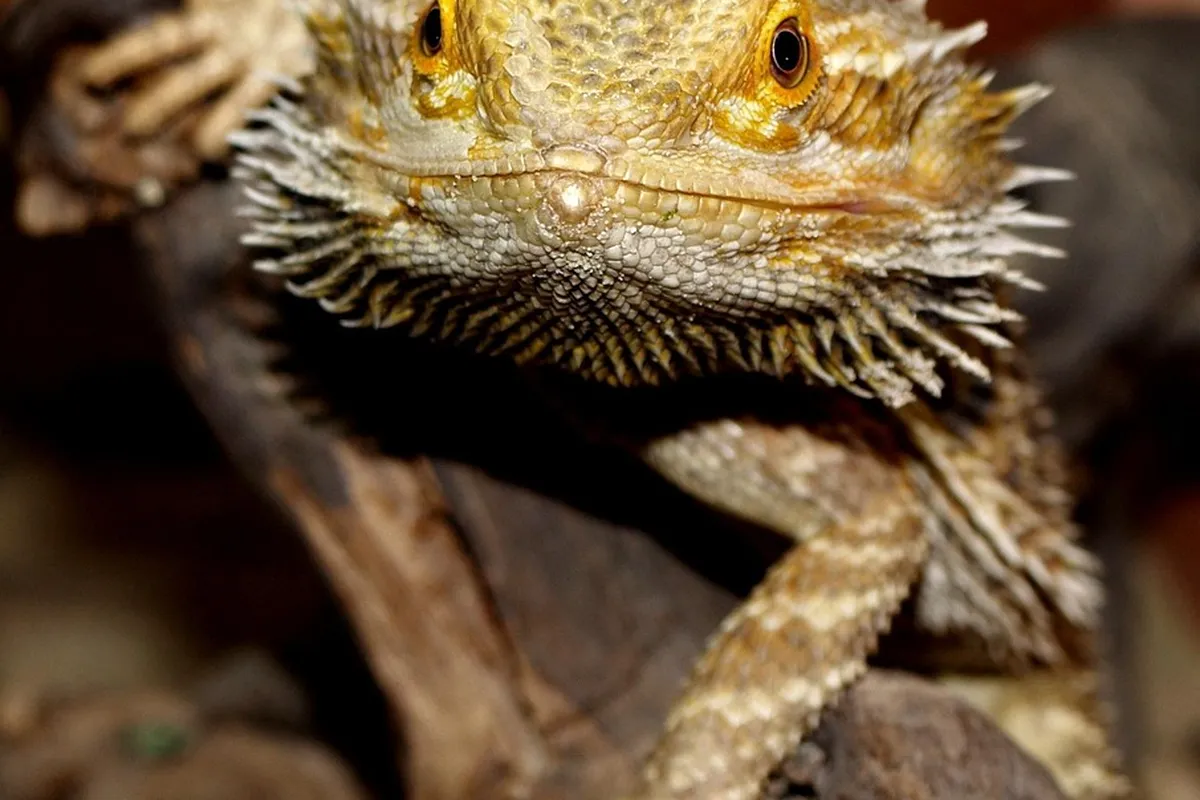
When I first helped my bearded dragon, Ember, wake from brumation, I learned that rushing this process can shock their system. Think of it like easing into a warm bath after being in the cold—you want it gradual and comforting. During brumation, keep disturbances to a minimum and temperatures steady. If your dragon is waking, continue with a slow, gentle reintroduction of warmth, hydration, and small meals.
Start by adjusting their light cycle slowly over 5 to 7 days. Here’s how I do it:
- Increase their daylight hours by 30 to 60 minutes daily until you reach 12-14 hours.
- Raise the basking area temperature by about 5°F each day, aiming for 95-105°F eventually.
- Keep the cool side around 75-85°F to let them thermoregulate comfortably.
You might notice your dragon stirring more as the warmth returns. Patience here prevents stress and supports a smoother transition back to activity.
Gentle Handling and Initial Care
Once your dragon is more alert, approach them with calm, slow movements. I always check for signs of health like clear eyes and responsive behavior before any handling.
Limit initial interactions to short, positive sessions. Try this routine:
- Offer a warm hand for them to sniff or climb onto for just a few minutes.
- Speak softly to reassure them-they recognize familiar voices.
- Watch for any reluctance or weakness; if they seem off, give them more rest.
In my experience, this gentle approach builds trust and reduces anxiety. Avoid sudden moves or loud noises, as they can startle a freshly woken dragon.
Post-Waking Care and Habitat Setup
Hydration and Feeding Strategies
After brumation, hydration is your top priority. I’ve seen dragons become dehydrated quickly, so offer water right away with a shallow dish or gentle misting. A bearded dragon hydration guide recommends pairing a shallow water bowl with regular misting and light spraying to encourage drinking. Keep fresh water available and monitor intake as you rehydrate.
When reintroducing food, start with easy-to-digest options. Follow these steps:
- Begin with small, moist foods like chopped greens or squash.
- Wait 2-3 days before offering live insects, and choose softer ones like hornworms.
- Monitor their appetite-if they refuse food, don’t force it; try again later.
Keep portions small initially to avoid overwhelming their digestive system. This staggered approach helps prevent regurgitation and gets their metabolism back on track.
Optimizing the Environment
Your dragon’s habitat needs a refresh post-brumation to support their recovery. I always do a full clean-up, replacing substrate and sanitizing decor to eliminate any bacteria. In this bearded dragon tank cleaning guide, we’ll outline a simple schedule and safe solutions. We’ll also cover practical cleaning methods.
Ensure their setup promotes well-being with these adjustments:
- Use a UVB lamp that’s no older than 6 months to guarantee proper vitamin D synthesis.
- Maintain a humidity level between 30-40% to aid shedding and respiratory health.
- Add hiding spots and basking areas to reduce stress and encourage natural behaviors.
Regularly check temperatures with a digital thermometer for accuracy. A well-optimized space makes your dragon feel secure and speeds up their return to normal activity.
Monitoring Health After Brumation
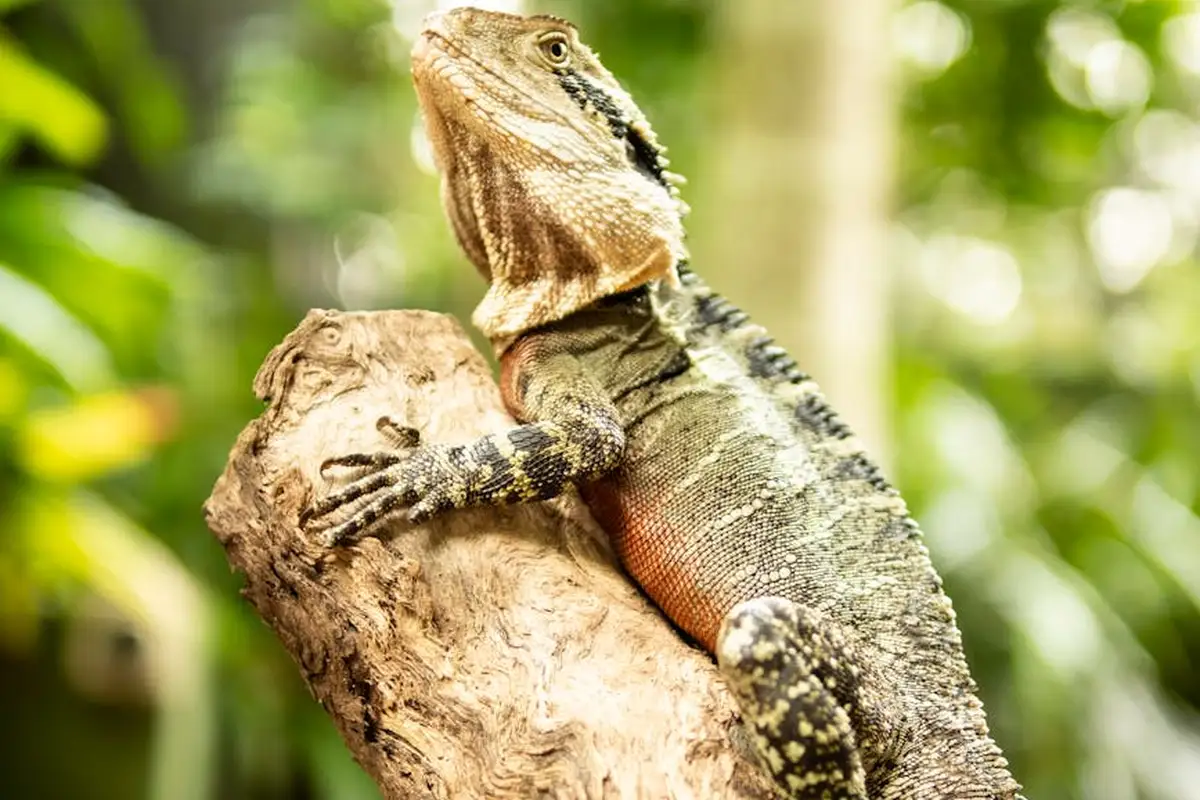
When your bearded dragon finally emerges from their long nap, the real work begins. This post-brumation period is a critical window for assessing their overall health and catching any potential issues early. I always treat the first few weeks after my dragons wake up like a thorough wellness check, especially because it’s important to know what to do after brumation.
Your Post-Brumation Health Checklist
Go through this list methodically over the first few days. Don’t rush it; a stressed dragon won’t show you their true condition.
- Check their weight: A small amount of weight loss is normal, but anything dramatic is a red flag.
- Examine their eyes: They should be bright, clear, and fully open. Sunken or crusty eyes can signal dehydration.
- Look at their skin and scales: Check for any retained shed, especially around the toes and tail tip, which can constrict blood flow.
- Observe their posture and mobility: Are they holding themselves up? Is their gait normal, or are they dragging limbs?
- Monitor their fat pads: Gently feel the base of their tail and the top of their head. These fat pads should not be sunken or bony.
How to Track Their Weight
I keep a small kitchen scale in my reptile supplies. Weighing your dragon gives you hard data, which is more reliable than just guessing.
- Use a digital kitchen scale that measures in grams.
- Place a small, empty container on the scale and tare it to zero.
- Gently place your dragon in the container to get their weight.
- Record this number and compare it to their pre-brumation weight.
A loss of more than 10% of their body weight is a clear sign you should schedule a vet visit. In my experience, a 5-7% loss is more common and manageable with a careful feeding routine.
Signs of a Healthy Re-Awakening
A dragon that came through brumation well will show these positive signs. If you’re monitoring your own bearded dragon, look for these 12 key signs of brumation. You’ll see them gradually, not all at once.
- They show interest in their surroundings within a day or two.
- They accept a small, easy-to-digest meal after a few days.
- They bask normally under their heat lamp.
- They become more alert and active each day.
- They drink water when offered a warm bath.
Red Flags: When to Be Concerned
Trust your gut. You know your pet better than anyone. If you notice any of the following, it’s time to act.
- Lethargy that persists for more than three days after waking.
- Consistently closed or sunken eyes.
- Mucus around the nose or mouth, which can indicate a respiratory infection.
- Black, sunken beard that doesn’t go away.
- Runny or unusually smelly stools.
- A complete refusal to eat after a full week.
Any one of these symptoms warrants a call to your exotic vet. Brumation can sometimes mask underlying health problems, so it’s always better to be safe. I’ve had to make that call myself, and it brought me immense peace of mind.
Frequently Asked Questions
How long does brumation typically last for a bearded dragon?
Brumation can last from a few weeks to several months, varying by individual and environmental conditions. Most dragons naturally emerge as temperatures and daylight increase, but consistent monitoring ensures they remain healthy throughout. Learn how long brumation should last and when to be concerned.
Can I prevent my bearded dragon from brumating?
While brumation is a natural instinct, maintaining stable warm temperatures and light cycles may reduce its occurrence. Avoid forcing them to stay awake, as this can cause stress and health issues.
What should I do if my bearded dragon shows no signs of waking after an extended period?
If your dragon hasn’t stirred after 3-4 months, gradually increase enclosure warmth and light, and seek veterinary advice to check for illness or dehydration. Persistent inactivity could signal an underlying health problem needing professional care.
Final Thoughts
Ultimately, letting your bearded dragon’s natural cycle run its course is the safest and most recommended path. Interrupting brumation is rarely necessary and should only be considered for clear health or safety reasons. Trust their ancient instincts; they know what they’re doing.
If you must wake them, do so gently and with a clear plan. Always prioritize a veterinary check-up to rule out illness and ensure your dragon is strong enough for the transition back to active life. Your patience and observation are the greatest gifts you can give your pet during this sensitive time.
Further Reading & Sources
- Bearded dragon brumation – how to identify and deal with it
- Bearded Dragon Brumation: Everything You Need to Know – Dragon’s Diet
- Bearded Dragon Brumation Care: A Complete Guide
Bearded Dragon Lair is the ultimate resource for bearded dragon enthusiasts, offering expert advice and practical tips to ensure the health and happiness of your scaly companion. With years of experience in reptile care, we are dedicated to providing accurate, up-to-date information to support your bearded dragon journey.
Temperature Control Devices