Why Is My Bearded Dragon Turning White? (And When to Worry)
If you’ve spotted your bearded dragon’s skin turning white, your first thought might be panic, but you’re not alone in this.
As a long-time owner of multiple bearded dragons, I’ve guided many reptile lovers through this exact situation using my hands-on experience.
In this article, we’ll break down the common reasons for color changes, distinguish between normal and concerning signs, and outline the specific moments that require a vet visit.
Understanding Normal Shedding and Color Changes
Seeing your bearded dragon turn white for the first time can be startling. I remember staring at my dragon, Spike, convinced something was terribly wrong. In most cases, this whitening is a completely normal and healthy part of their shedding process, known as ecdysis. Their old skin doesn’t stretch, so they have to grow a new layer underneath and push the old one off. To learn more about why shedding happens and how to care for your dragon through it, check out the complete shedding care guide. It covers timing, humidity needs, and when to seek veterinary help.
The Natural Molt Cycle
Young bearded dragons are growing machines. They can shed as often as every few weeks. As they mature into adults, this process slows down dramatically, happening just a few times a year. The frequency depends entirely on their growth rate and overall health. This is especially useful for understanding the differences across life stages—baby, juvenile, and adult dragons. Our shed guide explains typical shedding frequencies at each stage and how to support healthy shedding.
What Healthy Shedding Looks Like
A healthy shed doesn’t happen all at once. You’ll see it start in patches.
- Skin becomes dull and takes on a whitish or grayish hue.
- The white patches will feel loose and may look like they are bubbling up.
- Their eyes might appear bulgy or cloudy right before a major shed.
- The old skin will eventually flake off, revealing bright, new skin underneath.
This patchy, gradual whitening is a sure sign of a normal shed.
Normal Shed vs. Problematic Shed
It’s vital to know the difference between a routine shed and one that needs your help.
- Normal Shed: Patchy, starts white/gray, skin comes off in flakes or sheets. Your dragon will be active and have a normal appetite.
- Problematic Shed (Dysecdysis): Stuck skin, especially on toes, tail tip, or spikes. The skin appears tight, dry, and won’t budge. You might see a lack of appetite or signs of irritation.
Stuck shed can cut off circulation, so it’s a problem you need to address quickly.
Supporting Your Dragon During a Shed
You can make the shedding process much more comfortable for your pet.
- Provide a rough surface. Rocks, logs, and slate help them rub against something to loosen the skin.
- Increase humidity. A shallow, lukewarm bath for 15-20 minutes a few times a week can work wonders.
- Ensure proper hydration. I always mist Spike’s greens with water during a shed.
- Never, ever pull the skin off. You can seriously damage the new, delicate skin underneath.
A humid hide box filled with damp sphagnum moss gives them a perfect, moist retreat.
Common Health Issues Causing White Skin Discoloration
While shedding is the most common reason for color change, a persistent or unusual white appearance can signal an underlying health problem. As a responsible owner, learning these signs is a critical part of animal welfare. Your vigilance is their first line of defense.
Fungal Infection (Yellow Fungus)
This is a serious condition that requires immediate veterinary care.
- Appears as yellow or white crusty patches on the skin.
- The patches do not go away with shedding and may spread.
- The affected skin can become thickened or ulcerated.
Yellow fungus is highly contagious to other reptiles and can be fatal if left untreated.
Metabolic Bone Disease (MBD)
MBD stems from a lack of proper calcium and UVB lighting.
- While not always white, a general paleness or washed-out appearance can occur.
- Look for softening of the jaw, tremors, and difficulty walking.
- Swollen limbs or a kinked tail are also major red flags.
Preventing MBD is entirely in your hands with proper UVB tube lighting and calcium dusting.
Parasites
A heavy internal parasite load can cause systemic stress. If your bearded dragon seems lethargic, that’s a common worry for owners. Lethargy can signal several issues, with parasites being one possibility.
- Your dragon may appear lethargic and lose weight.
- Their skin can look dull, pale, or whitish even when not shedding.
- Runny, foul-smelling stools are another common symptom.
A simple fecal test at your exotic vet can diagnose this and get them the right medication.
Dehydration and Stress
These two often go hand-in-hand.
- Dehydrated skin loses elasticity and can look wrinkled and pale.
- Stress from improper handling, a new enclosure, or other pets can cause temporary color loss or dark stress marks.
- Their beard might even turn black when stressed.
Recognizing these stressed spot signs early helps you reduce your dragon’s anxiety by adjusting handling and enclosure conditions. Smart, gentle handling and a stable setup can prevent stress from mounting.
Always provide a clean water bowl and learn your dragon’s unique stress signals.
Aging and Skin Infections
Just like us, their skin changes as they get older.
- An older dragon’s skin may naturally become less vibrant.
- Bacterial dermatitis can cause small, white, pimple-like bumps or scales.
- Scale rot from a consistently wet, dirty substrate appears as rough, crusty, discolored scales.
Keeping their home clean and dry is the best prevention for most bacterial skin issues.
When White Skin Signals a Serious Problem
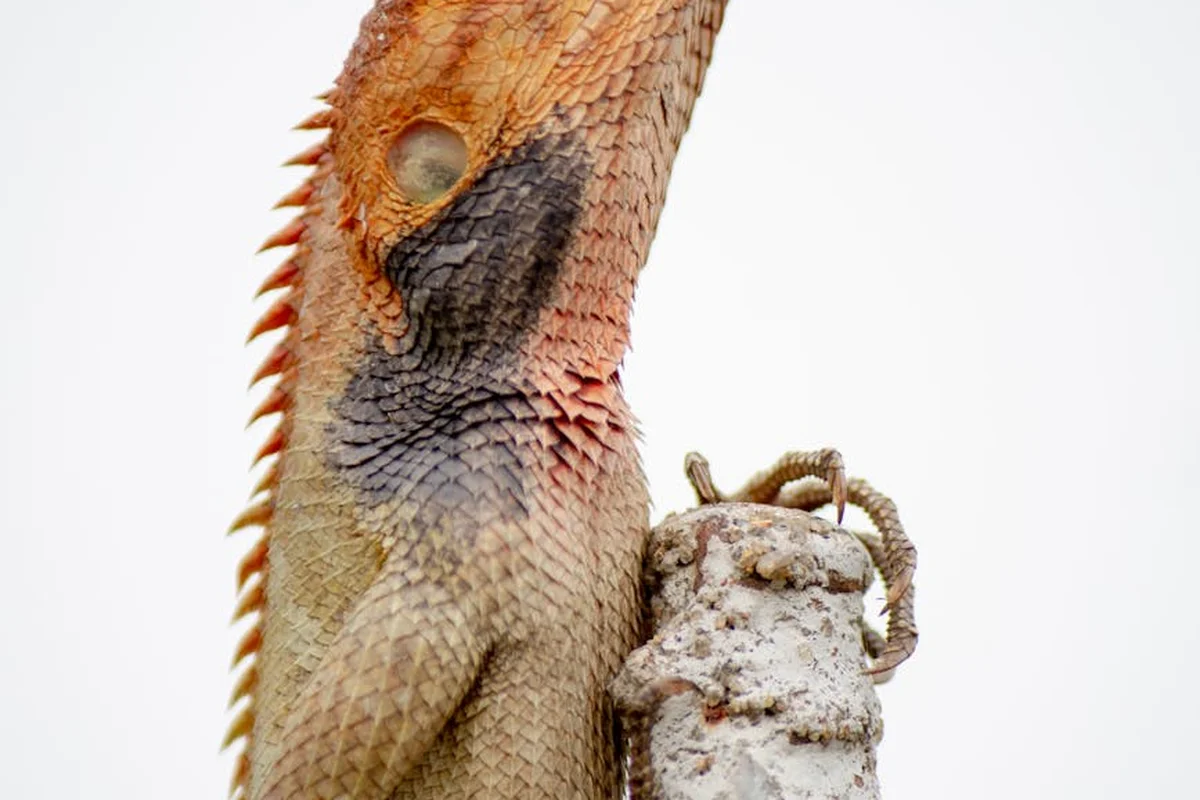
Seeing your bearded dragon turn white can be perfectly normal, but some signs should make you pause and take a closer look. You know your dragon best, and your gut feeling that something is off is often the first and most important clue. If you notice dark changes like a black beard, neck, or tail, it’s worth taking a closer look. These color shifts can have several explanations—ranging from shedding and temperature stress to health issues—that are worth understanding.
Major Red Flags to Watch For
- The white patches do not go away after a week or more and are not part of a clear shedding pattern.
- Your dragon becomes unusually lethargic, spending all day in one spot with little movement.
- A complete loss of appetite that lasts for more than a couple of days is a significant concern.
- You notice signs of physical distress like gaping (holding the mouth open) when not thermoregulating.
Behavioral Signs of Illness
Bearded dragons are creatures of habit. A change in their daily routine often speaks volumes. A dragon that suddenly starts hiding all the time or completely avoids its basking spot is trying to tell you it doesn’t feel well. If you’re wondering why your bearded dragon hides when you’re concerned, it’s often a sign of stress or illness. It signals a need to check their environment and overall health. From my own experience, a dragon that feels sick will often seek out the coolest, darkest part of the enclosure to conserve energy.
- Persistent hiding and avoiding light.
- Lack of basking, leading to a consistently low body temperature.
- Black or dark bearding that is frequent and not linked to stress or display.
- Unusual aggression or lethargy when handled.
When Discoloration Pairs with Other Symptoms
White skin alone is rarely the only symptom of a major health issue. It’s the combination of signs that paints the real picture. If you see white, chalky patches on the skin paired with a soft or rubbery jaw, swelling in the limbs, or tremors, you should suspect Metabolic Bone Disease (MBD) immediately. This is a painful and debilitating condition caused primarily by insufficient UVB light or calcium.
- For a potential infection, look for white patches alongside:
- Swelling, redness, or pus.
- Sunken or crusty eyes.
- Runny or discolored stools.
Suspecting Specific Causes
Sometimes the context points directly to the problem. A white, chalky appearance on the skin and scales can sometimes be a direct sign of a severe calcium deficiency, even before more advanced MBD symptoms appear. I’ve also seen dragons in enclosures with humidity that is consistently too high develop patchy, persistent white skin that can be a precursor to a fungal infection.
How to Diagnose the Cause of White Patches
Playing detective with your dragon’s health is all about careful observation and checking the basics of their habitat. Start with a gentle hands-on examination and then move to a thorough audit of their enclosure conditions. This methodical approach will almost always lead you to the root of the issue. It can also be beneficial to follow a comprehensive care guide for bearded dragons to ensure no detail is overlooked.
Steps for a Basic Health Check
- Gently hold your dragon and examine the white areas under good light. Is the skin loose and flaky (shedding) or is it tight, discolored, and attached?
- Feel the skin for any unusual bumps, lumps, or areas that feel softer than the surrounding tissue.
- Check between their scales and around their eyes, mouth, and vent for any tiny black, red, or moving specks that could indicate mites or other parasites.
- Look for any cuts, scratches, or areas of broken skin that could have become infected.
Audit Your Enclosure Setup
Your dragon’s home is their entire world, and small imbalances can cause big problems. An accurate digital thermometer and hygrometer are the most important tools you own for diagnosing habitat-related issues.
- Temperature: Check the basking spot surface temperature with a temp gun. It should be between 95-110°F for adults. The cool side should be around 80-85°F.
- Humidity: Check the humidity level on both the warm and cool sides. It should ideally sit between 30-40%. Consistently high humidity can cause skin problems.
Assess UVB Exposure
Proper UVB is non-negotiable for their health. A UVB light that is too weak, too old, or blocked by a mesh screen can silently cause a world of health issues, including poor shedding and calcium problems.
- What type of UVB bulb are you using? A linear fluorescent tube (like ReptiSun or Arcadia) is strongly recommended over compact coils.
- How old is the bulb? UVB output degrades over time. Replace linear tubes every 6-12 months, even if they still emit light.
- Is the bulb mounted inside the enclosure or on top of a mesh lid? Mesh can block up to 50% of the crucial UVB rays.
- Is the basking spot within the proper distance recommended for your specific UVB bulb’s strength?
Track Changes Over Time
Keep a simple log. Jotting down notes about your dragon’s behavior, appetite, and the appearance of their skin for just a few days can reveal patterns you might otherwise miss. Note when the white areas appeared, if they are spreading, and any changes in their daily habits. This information is invaluable, both for your own peace of mind and for a veterinarian if a visit becomes necessary.
Immediate Care and Treatment Steps
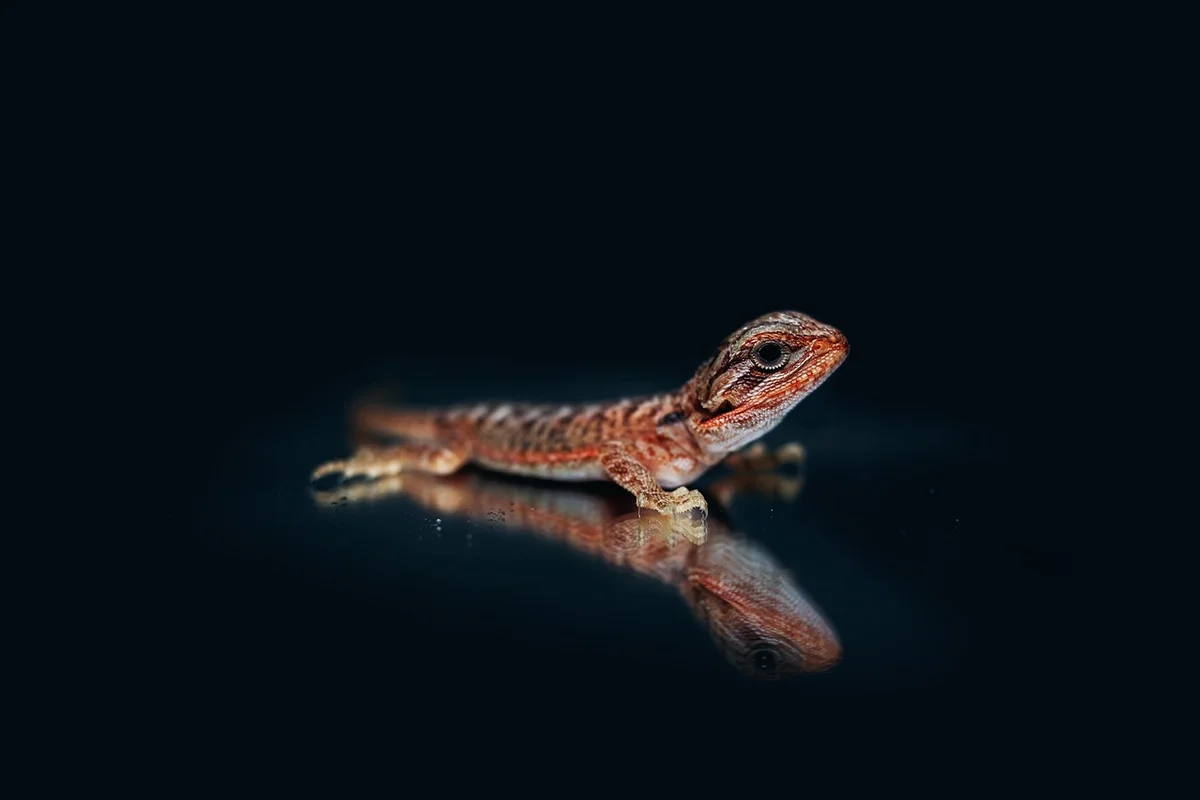
Seeing your bearded dragon turn white can be startling, but many causes are manageable at home. Your first step should always be to calmly assess the situation before taking action. I’ve had to do this more than once with my own dragons, especially when trying to figure out if they were in distress like choking.
Home Remedies and Adjustments
For issues like dehydration or a difficult shed, you can try these simple, safe methods.
- Offer a Warm Bath: A shallow bath in lukewarm (not hot!) water for 15-20 minutes can work wonders for rehydration and loosening stubborn shed.
- Gently Mist Their Skin: Lightly misting your dragon and their greens increases water intake and boosts local humidity.
- Provide a Rough Textured Surface: Add a clean rock or piece of slate to the enclosure. They will rub against it to help pull the old skin off themselves.
When to Adjust the Enclosure
Often, the solution lies in tweaking their environment. I check these three things first.
- Adjust Moisture: If the shed is patchy and stuck, slightly increase the humidity by misting more frequently. If you suspect a fungal issue, you must lower the humidity immediately.
- Review the Diet: Ensure you are dusting their live insects with a high-quality calcium powder at nearly every feeding and a multivitamin once or twice a week.
- Check the Lighting: Confirm your UVB bulb is the correct strength (10.0 for tube bulbs) and is not older than six months. The basking spot should be warm enough for proper digestion.
Veterinary Treatments
Some conditions require a professional diagnosis and treatment plan.
- For Fungal Infections (Yellow Fungus): A vet will typically prescribe topical antifungal creams and sometimes oral medication. This is a serious condition that demands immediate vet care.
- For Metabolic Bone Disease (MBD): Treatment involves correcting the diet and UVB lighting, and a vet may administer calcium injections or other supplements to stabilize your dragon.
Emergency Care Steps
If your dragon is white and also lethargic, not moving, or has blackened limbs, act quickly.
- Gently move them to a small, quiet hospital tank with a towel substrate.
- Provide a low, easy-to-reach heat source to maintain warmth.
- Offer water via a dropper on their snout, but do not force it.
- Contact your exotic veterinarian or an emergency animal clinic without delay. Time is critical in severe cases.
Preventing Skin Discoloration and Health Issues
An ounce of prevention is worth a pound of cure, especially with our scaly friends. Consistent, proper care is the ultimate key to preventing most causes of whitening. This is the routine I follow with my own pets.
Mastering UVB Lighting and Basking
- Use a long, tube-style UVB light that covers at least half the enclosure’s length.
- Replace the UVB bulb every six months, as its invisible output degrades over time.
- Ensure there are no screens or plastic covers between the bulb and your dragon, as these block crucial rays.
- Create a proper temperature gradient with a basking spot of 95-110°F and a cooler end around 80°F.
Managing Humidity and Hydration
- Keep a digital hygrometer in the tank to monitor humidity levels, aiming for 30-40%.
- Provide a large, shallow water dish that is cleaned daily with fresh water.
- Mist your dragon and the enclosure lightly in the morning to simulate dew.
- Gut-load your feeder insects with nutritious greens like collard greens and carrots to pass on hydration.
Perfecting the Diet
- Dust insects with a phosphorus-free calcium powder for most feedings.
- Offer a variety of gut-loaded insects like dubia roaches, black soldier fly larvae, and crickets.
- Provide a daily salad of fresh, dark leafy greens like mustard, collard, and dandelion greens.
- Avoid insects high in oxalates, like spinach, and insects like iceberg lettuce that offer little nutritional value.
Conducting Regular Habitat Checks
- Spot-clean the enclosure daily and do a full, deep clean with a reptile-safe disinfectant every month.
- Check for and remove any feces promptly to reduce parasite and bacteria risks.
- Observe your dragon’s behavior daily for signs of stress, like glass surfing or constant hiding.
- Wash your hands before and after handling your dragon or cleaning their home to prevent the spread of germs.
Frequently Asked Questions
How long does a normal shedding process typically last from start to finish?
A normal shed can last from a few days to a couple of weeks, depending on the dragon’s age and health, with the whitening and flaking occurring in patches rather than all at once. Young dragons may complete it faster due to more frequent sheds, while adults might take longer. Learn more about the shedding process and what you should expect.
Are commercial shedding aids safe to use, or should I stick to natural methods?
Natural methods like providing rough surfaces for rubbing and occasional lukewarm baths are generally safer and effective; avoid commercial aids unless recommended by a vet, as improper use can irritate the skin or cause injury.
Can a sudden change in diet cause temporary whitening of the skin?
While diet changes don’t directly cause whitening like shedding, nutritional deficiencies-especially in calcium or vitamins-can lead to overall paleness or health issues that affect skin appearance. Always ensure a balanced diet to support skin health.
Final Thoughts
Seeing your bearded dragon turn white can be startling, but in most cases, it’s just a sign of a healthy shed. This natural process is their way of growing, and it’s usually nothing to be concerned about. Color changes can also signal stress, mood, or temperature changes, not just shedding. As they age, their colors can shift more gradually, which is part of why bearded dragons change color. I’ve watched my own dragons go through this many times, and it’s always a relief to see their vibrant new colors emerge.
Just remember to keep an eye out for the warning signs. If the white skin is accompanied by lethargy, loss of appetite, or seems to linger for weeks, it’s time to contact your reptile vet. Trust your instincts-you know your scaly friend best.
Further Reading & Sources
- Why is my bearded dragon turning white and not eating? | Petco
- r/BeardedDragons on Reddit: Why’s the top of my bearded dragons head turning white? Is she sick or is she about to shed it hard to tell the difference
- Why Is My Bearded Dragon’s Tail Turning White? Expert Answers & Solutions
Bearded Dragon Lair is the ultimate resource for bearded dragon enthusiasts, offering expert advice and practical tips to ensure the health and happiness of your scaly companion. With years of experience in reptile care, we are dedicated to providing accurate, up-to-date information to support your bearded dragon journey.
Signs of Illness