
Can Bearded Dragons Get Depressed? Signs of Sadness and Boredom
Published on: March 5, 2026 | Last Updated: March 5, 2026
Written By: Beardie Joe
If you’re wondering whether your bearded dragon’s unusual behavior is just a phase or something more, you’ve come to the right place.
After years of caring for my own dragons, I’ve learned to spot the subtle cues that something is off, and I’m here to help you do the same.
In this article, we’ll cover the most common signs of a sad or bored dragon, explore the potential causes, and give you practical steps to bring the spark back into your pet’s life.
Understanding Reptile Emotions: Can Bearded Dragons Get Depressed?
Reptile brains work differently from ours, but that doesn’t mean they’re emotionless. Scientists note that while bearded dragons may not experience complex feelings like human depression, they absolutely show clear signs of stress and discomfort. Their behavior is a direct window into their well-being, telling us when something is wrong in their world. I’ve spent years observing my own dragons, and their mood shifts are real and measurable. It’s crucial to recognize these signs early and know how to help them relax and feel safe.
It’s vital to distinguish between a temporary bad day and a deeper issue. True “depression” in bearded dragons often links to chronic stress or poor habitat conditions. Boredom stems from a lack of mental and physical stimulation. Brumation, their natural bearded dragon winter slowdown, is a healthy, instinctual behavior—not a sign of sadness. In winter, many bearded dragons are less active and eat less as they slow down for brumation. This seasonal change can explain why your dragon seems quiet and has a lighter appetite. Knowing the difference helps you respond with the right care instead of unnecessary worry.
From my own experience, I’ve seen dragons perk up with simple changes. One of my beardies, Ember, used to sit listlessly in a bare tank. After adding climbing branches and new textures, she became more alert and curious. Small tweaks in their environment can dramatically shift their demeanor, showing how responsive they are to their surroundings.
Key Signs Your Bearded Dragon Might Be Sad or Bored
Watch for these physical symptoms that suggest your dragon isn’t feeling their best. Catching them early can prevent more serious health issues. Be aware of the 12 critical symptoms that should never be ignored. If you notice any of these signs, seek veterinary care promptly.
- Lethargy: They sleep more, move less, and lack their usual energy.
- Appetite loss: Ignoring favorite foods or eating much less than normal.
- Weight loss: A visible thinning, especially along the spine and tail.
- Bruxism: Grinding their teeth, which can indicate pain or stress.
Any sudden change in eating or activity level deserves your immediate attention, as it often points to underlying stress or illness.
Behavioral changes are equally telling. These actions show dissatisfaction with their current setup.
- Excessive hiding: Spending all day buried or tucked away, avoiding open spaces.
- Glass surfing: Frantic pacing along the tank walls, signaling frustration.
- Reduced activity: No interest in exploring, basking, or interacting with you.
Boredom often leads to repetitive actions like glass surfing, while sadness may show as complete withdrawal and inactivity. In my care, I’ve noticed bored dragons will scratch at corners, whereas a truly stressed one might not move at all for hours. Paying close attention helps you tailor your response-more enrichment for boredom, a vet check for potential sadness-linked issues.
Common Causes of Sadness and Boredom in Bearded Dragons
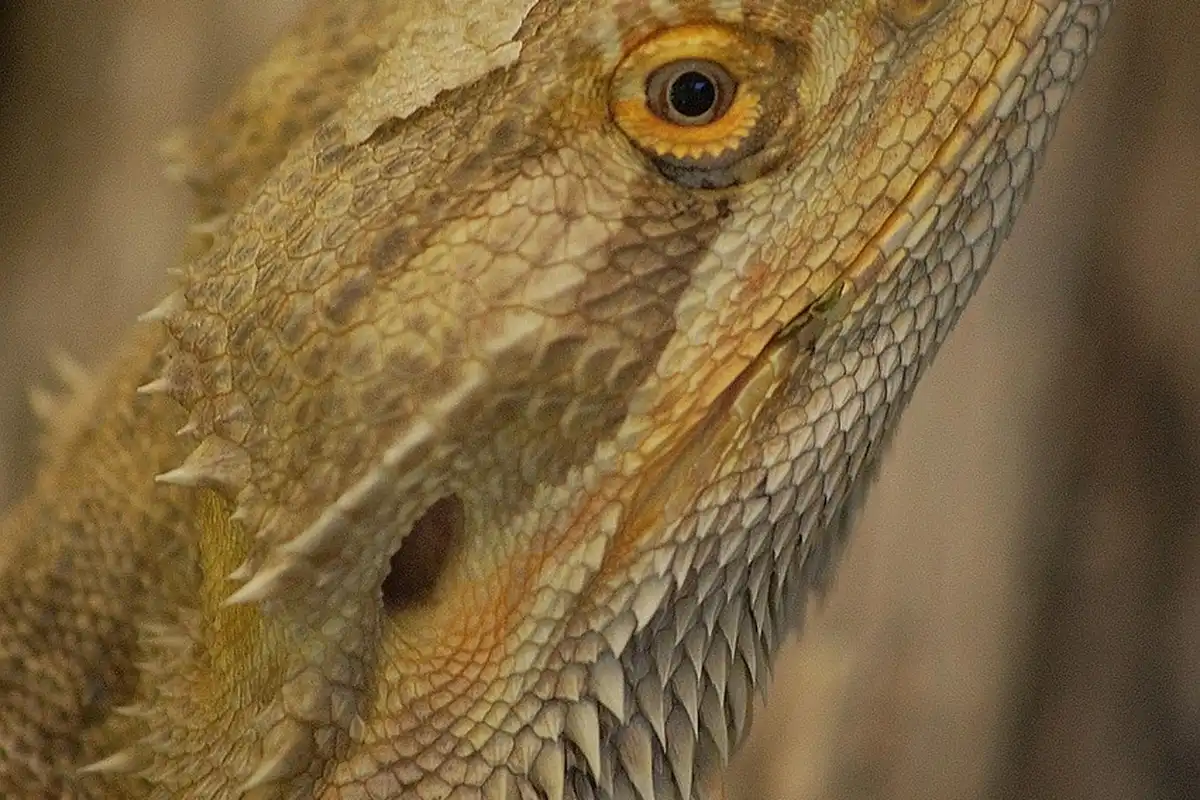
Seeing your bearded dragon looking down can be worrying. I’ve been there. Their low mood is almost always a signal that something in their world is out of balance. Pinpointing the cause is your first step toward helping them feel like their bright-eyed, curious selves again. By learning to spot stress signals—such as changes in appetite, activity, or posture—you can take steps to reduce their anxiety. Addressing these signs helps restore their confidence and curiosity.
Environmental Stressors
Their tank is their entire universe. When it’s not right, they have no escape. I’ve noticed even small changes can have a big impact on their demeanor.
- Improper Lighting (UVB): This is a huge one. Without proper UVB light, they can’t synthesize vitamin D3 or metabolize calcium properly. This leads to a condition called Metabolic Bone Disease, which causes weakness, pain, and lethargy that looks a lot like depression. A weak, coil-style UVB bulb just doesn’t cut it.
- Incorrect Temperature Gradients: Bearded dragons are solar-powered. They need a precise basking spot (around 95-110°F for adults) and a cooler end (around 75-85°F) to thermoregulate. If they can’t get warm enough to digest their food or cool down when needed, they become sluggish and stressed.
- Inadequate Enclosure Size: A tiny tank is a sad, boring prison. An adult bearded dragon needs a minimum of a 120-gallon (4x2x2 feet) enclosure to explore, exercise, and exhibit natural behaviors. Cramped spaces lead to frustration and apathy.
Health-Related Issues That Mimic Depression
Sometimes, what looks like sadness is actually physical pain or illness. A vet visit is non-negotiable if you suspect your dragon is unwell. I always rule out health problems before assuming it’s behavioral.
- Parasites: Internal parasites can sap their energy and cause a loss of appetite, making them withdrawn and inactive.
- Impaction: This is a serious bowel blockage, often from loose substrate or food that’s too large. It causes lethargy, bloating, and a complete lack of interest in food or movement.
- Respiratory Infections: Labored breathing, lethargy, and a lack of basking are common signs. A sick dragon doesn’t have the energy to be happy.
Lack of Enrichment and Social Interaction
Imagine staring at the same four walls every single day with nothing to do. It’s soul-crushing for any intelligent creature. Boredom is a silent welfare issue we often overlook.
- Minimal Enrichment: A bare tank with a food bowl and a single hide is a recipe for a bored dragon. They need complexity and novelty.
- Predictable Routine: The same food, the same schedule, day in and day out, offers no mental stimulation.
- Improper Social Interaction: They are solitary in the wild. Housing two dragons together is a massive stressor, not companionship. However, positive, gentle interaction with you is vital enrichment.
How to Improve Your Bearded Dragon’s Welfare and Happiness
The good news is that you have immense power to turn their mood around. Creating a stimulating and comfortable habitat makes all the difference. Focus on these upgrades and watch their personality re-emerge.
Steps for Essential Habitat Upgrades
Think of this as building them a five-star reptile resort. Get the fundamentals right first.
- Audit Your UVB Lighting: Immediately switch to a long, tube-style UVB light that spans at least half the enclosure’s length. Replace it every 6-12 months, as the UV output diminishes even if the bulb still lights up.
- Dial in Your Temperatures: Use a digital thermometer and a temperature gun. Ensure the basking surface is the correct, species-specific heat and that the cool end offers a true respite. A ceramic heat emitter can help maintain ambient temperatures at night without disturbing their sleep cycle with light.
- Maximize Their Space: If possible, upgrade to a larger front-opening enclosure. This reduces the stress of you reaching in from above like a predator.
- Create a Complex Landscape: Add multiple hiding spots (one on the warm side, one on the cool side), sturdy branches for climbing, and rough rocks for basking and wearing down their nails naturally.
Suggestions for Enrichment Activities
This is where the fun begins for both of you. Enrichment is about engaging their natural instincts to hunt, explore, and problem-solve.
- Introduce New “Toys”: A crinkled ball of paper, a small, empty box to crawl through, or a ping pong ball in their enclosure can spark curiosity. Just watch to ensure they don’t try to eat anything.
- Offer a Varied Diet: Rotate through different types of gut-loaded insects (dubia roaches, black soldier fly larvae, crickets) and a rainbow of safe greens and veggies. The hunt is part of the fun!
- Provide Supervised Exploration: Let them have supervised time outside their tank in a bearded-dragon-proofed room. My dragon loves climbing on the couch and looking out the window. The new sights and smells are fantastic mental stimulation.
Tips for a Stress-Reducing Routine
Consistency builds trust. A predictable world is a safe world for a bearded dragon.
- Establish a Handling Ritual: Move slowly and deliberately. Let them see your hand coming. I always approach from the side and scoop from below, never from above. Short, positive handling sessions are better than long, stressful ones.
- Maintain a Consistent Day/Night Cycle: Use a timer for their lights to ensure they get 12-14 hours of consistent light and darkness every single day. This regulates their internal clock.
- Feed at the Same Times: Offer food in the morning or early afternoon after they’ve had time to warm up under their basking light. This supports their natural digestion process.
When to Seek Professional Help for Your Bearded Dragon
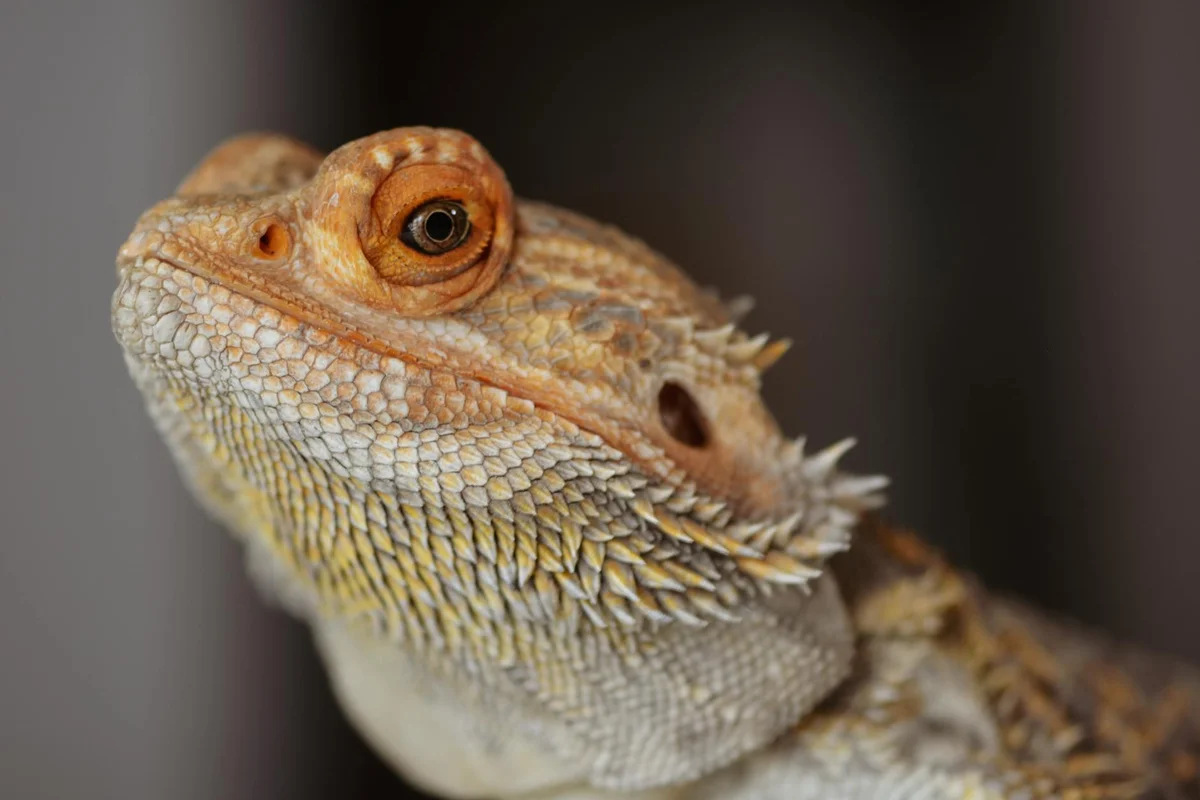
Watching your bearded dragon for signs of sadness is one thing, but knowing when a professional needs to step in is a critical part of responsible ownership. Trust your gut; if something feels persistently off with your pet, it’s better to be safe and get a vet’s opinion. I’ve made that call myself, and it always brings peace of mind, even if it turns out to be nothing.
Major Red Flags That Demand a Vet’s Attention
Some behaviors are more than just a bad day. These are the signs that should prompt an immediate call to your reptile veterinarian.
- Persistent Appetite Loss: A dragon skipping a meal or two isn’t unusual, but a complete loss of interest in food for more than three days is a major concern.
- Noticeable Weight Decline: If you can see their hip bones starting to protrude or their tail and limbs look thinner, this is an urgent sign.
- Unusual Lethargy: This goes beyond normal basking. A dragon that is completely unresponsive to your presence, doesn’t move for its food, or seems too weak to lift its body needs help.
Health Issues vs. Behavioral Boredom: When to Call the Vet
It can be tricky to tell if you’re dealing with a mood or a medical problem. This simple guide helps you decide.
- Consult a Vet for Health Monitoring: Any time you see the red flags above, suspect possible illness. Other vet-worthy signs include closed, sunken, or puffy eyes, labored breathing, persistent diarrhea, or any lumps or injuries.
- Address Behavioral Issues at Home First: If your dragon is otherwise healthy (eating, pooping, and basking normally) but seems disinterested or inactive, you can first focus on enrichment. Try a new climbing branch, a different feeding routine, or supervised exploration outside the tank.
The line between behavior and sickness is often blurry, which is why a vet check is the smartest first step for any persistent change.
How to Prepare for Your Veterinary Visit
Being prepared helps your vet diagnose the issue faster and reduces stress for both you and your dragon.
- Take clear photos or a short video of the concerning behavior to show the vet.
- Write down a timeline of when you first noticed the changes and what they were.
- Bring a fresh fecal sample, if possible, as this is often the first thing they test.
- Note your tank’s exact temperatures (basking spot, warm side, cool side) and humidity levels.
- Be ready to list your dragon’s diet, including supplements and feeding schedule.
Your detailed observations are a powerful tool that helps your vet connect the dots. From my own experience, walking in with this information made the entire visit smoother and more productive.
Frequently Asked Questions
How can I tell if my bearded dragon is depressed or just going through brumation?
Brumation is a natural, seasonal slowdown where they may sleep more and eat less, but a depressed dragon shows persistent lethargy and lack of interest even outside typical brumation periods. Look for additional stress signs like glass surfing or weight loss to distinguish between the two. Brumation is normal for bearded dragons, but depression isn’t.
What are some safe and effective toys for bearded dragons to prevent boredom?
Safe options include crinkled paper balls, empty cardboard tubes, or ping pong balls that encourage exploration without ingestion risks. Always supervise play to ensure they don’t chew on or swallow any items.
Do bearded dragons form bonds with their owners, and how can I strengthen that bond?
While they don’t bond emotionally like mammals, bearded dragons can recognize and trust their owners through consistent, gentle handling and positive interactions. Strengthen this by hand-feeding treats and providing supervised out-of-tank time to build familiarity. This helps get your bearded dragon to like you and build trust. Be patient—trust develops gradually with calm, predictable routines.
Final Thoughts
Seeing your bearded dragon appear sad or listless can be worrying, but you now know it’s often a sign of boredom or an unmet need, not a clinical condition. If you’re worried your dragon is lethargic, common causes to check include proper heat and UVB exposure, hydration, and diet. Addressing these usually restores energy. In my years of caring for these incredible reptiles, I’ve found that a little proactive attention to their habitat and routine almost always turns things around.
Focus on providing a stimulating environment with new things to explore, a consistent day/night cycle, and plenty of positive interaction. Remember, you are your dragon’s entire world, and your attentive care is the most powerful medicine they have. To support thriving, use a Thrive Complete Care Checklist. It covers lighting, diet, enrichment, and routine care. If their behavior doesn’t improve, a trusted reptile veterinarian is your best partner in ensuring their long-term health and happiness.
Further Reading & Sources
- Understanding Bearded Dragon Depression: Signs and Solutions
- Do Bearded Dragons Get Depressed? Signs & Care Guide
- Can Bearded Dragons Get Depressed? Understanding and Addressing Reptile Mental Health
Bearded Dragon Lair is the ultimate resource for bearded dragon enthusiasts, offering expert advice and practical tips to ensure the health and happiness of your scaly companion. With years of experience in reptile care, we are dedicated to providing accurate, up-to-date information to support your bearded dragon journey.
Decoration and Enrichment