
Can Bearded Dragons Eat Spring Mix? (And How to Build the Perfect Salad)
Published on: December 22, 2025 | Last Updated: December 22, 2025
Written By: Beardie Joe
If you’ve ever stood in the produce aisle, bag of spring mix in hand, wondering if it’s a safe choice for your bearded dragon, you’ve come to the right place.
As someone who has raised multiple happy, healthy bearded dragons, I’m here to give you the clear, experienced-based advice you need for your pet’s diet.
We’ll answer the big question about spring mix, explore its pros and cons, and I’ll give you my step-by-step method for creating a nutritious and delicious salad your dragon will love.
Is Spring Mix Safe for Bearded Dragons?
Spring mix is that colorful bag of pre-washed baby greens you find in every grocery store. It usually contains a blend of lettuces like romaine and green leaf, along with other greens such as radicchio, arugula, mizuna, and chard. While this variety seems convenient, it’s a bit of a mixed bag for your bearded dragon’s health. For bearded dragons, not all greens are created equal, and a lettuce guide on safe greens can help you choose the best options. Rotate safe greens such as collard, mustard, and dandelion with limited lettuce to keep calcium and phosphorus balance in check.
The main concern with any mixed green product is oxalates. These are natural compounds that bind to calcium inside your dragon’s body, preventing them from absorbing it. Spinach is notoriously high in oxalates, and it’s a common “hidden” ingredient in many spring mixes. Feeding high-oxalate greens too often can lead to metabolic bone disease, a serious and painful condition. This is why moderation and knowing your ingredients is absolutely key. To simplify this, consult the ultimate safe food list for fruits and vegetables that bearded dragons eat. It highlights low-oxalate greens and safe fruit options, helping you plan balanced, calcium-friendly meals.
I remember the first time I bought a spring mix for my beardie, Darwin. I was in a rush and thought it was a great way to get variety. I gave him a small bowl and watched him closely. He picked out all the red chard and left the arugula! That experience taught me to always check the bag’s ingredient list first, because every blend is different. Watching your dragon’s individual reaction is just as important as the food itself. That’s why I keep a bearded dragon’s complete guide on safe foods handy, so I know which greens and safe insects to offer for a balanced diet. It makes meal planning easier and safer for him.
To keep your dragon safe, here’s a quick guide to the greens commonly found in these mixes:
- Generally Safe Greens: Romaine lettuce, green leaf lettuce, red leaf lettuce, arugula, mizuna. These have a more favorable calcium-to-phosphorus ratio, which is vital for nutrient absorption.
- Use Sparingly or Avoid: Spinach (very high in oxalates), chard (moderately high in oxalates), radicchio (often not a favorite and offers little nutritional value).
Nutritional Benefits and Risks of Spring Mix
A good spring mix can be a source of valuable nutrients. It often provides a decent hit of Vitamin A for healthy eyes and skin, and Vitamin K for proper blood clotting. The high water content in these leafy greens is also fantastic for keeping your bearded dragon hydrated. However, the benefits are entirely dependent on which greens are actually in the bag.
The single most critical factor for a bearded dragon’s salad is the calcium-to-phosphorus ratio. Their bodies need about twice as much calcium as phosphorus to function properly. If a food has more phosphorus than calcium, it can actively block calcium absorption, weakening their bones over time. This is why we always aim for greens with a 2:1 ratio or better. For practical feeding, many owners consult a complete safe/unsafe greens list to know which greens are safe to offer and which to avoid. It helps ensure meals stay calcium-rich while avoiding problem greens.
Bearded dragons are omnivores, meaning they thrive on a mix of insects and plants. Offering a rotating variety of leafy greens prevents nutritional gaps and keeps mealtime interesting for your pet. Using a spring mix as a base is fine, but I always recommend bolstering it with more nutrient-dense staples like collard greens or dandelion greens.
Here’s a quick comparison of some common spring mix components to help you make informed choices:
| Green | Calcium (mg/100g) | Phosphorus (mg/100g) | Ca:P Ratio | Oxalate Level |
|---|---|---|---|---|
| Arugula | 160 | 52 | 3:1 (Good) | Low |
| Romaine Lettuce | 33 | 30 | 1.1:1 (Fair) | Low |
| Spinach | 99 | 49 | 2:1 (Deceptive) | Very High |
| Swiss Chard | 51 | 46 | 1.1:1 (Fair) | High |
Notice how spinach appears to have a good ratio, but its sky-high oxalate content makes that calcium unavailable to your dragon. In bearded dragons, this calcium-oxalate problem explains why spinach isn’t a reliable calcium source. This table shows why you can’t judge a green by its calcium number alone.
Feeding Spring Mix: Dosage and Frequency Guidelines

Getting the amount right is the key to using spring mix safely. Overdoing any single type of green, even a healthy one, can lead to nutritional imbalances over time. I’ve seen this firsthand with my own dragons, and adjusting their portions made a visible difference in their energy and health.
Portion Sizes by Age
- Baby Bearded Dragons (0-4 months): Offer a tiny pile of finely chopped spring mix, about the size of their head, once daily. Their main diet should be live insects, fed 3-5 times a day. The salad is more for exposure and practice at this stage.
- Juveniles (5-17 months): Provide a larger portion, roughly the size of their entire body from neck to tail base. I make this salad available daily, but they still get the majority of their nutrition from insects offered 2-3 times a day.
- Adult Bearded Dragons (18+ months): Their diet should be about 80% plant-based. A full adult-sized bowl of spring mix-based salad is perfect for daily feeding. Insects become a supplement, offered only 2-3 times per week.
Finding the Right Feeding Rhythm
Spring mix should be a component of their greens, not the entire menu. I rotate spring mix with other staples like collard, mustard, and dandelion greens to ensure a wide vitamin profile. For my adults, spring mix is in the rotation about 3-4 days a week.
- Always offer the salad in the morning. This mimics their natural behavior of basking and foraging for plants after warming up.
- Remove any uneaten salad at the end of the day to prevent bacterial growth.
- Balance is everything. A dragon eating only spring mix is missing out on the higher calcium found in staple greens like collards.
Introducing Spring Mix Slowly
A sudden change in diet can upset their sensitive stomachs. The first time you offer spring mix, use just one or two small leaves mixed thoroughly into their regular salad. Watch their poop for the next day or two; if it looks normal, you can gradually increase the amount over a week.
From my experience, some dragons are pickier than others. One of my beardies took to it immediately, while another needed it mixed with his favorite shredded squash for a few days before he accepted it. For more tips on encouraging finicky eaters, you can check out how to get your bearded dragon to eat.
How to Build the Perfect Bearded Dragon Salad
Creating a great salad is like building a nourishing bowl for yourself. You want a solid base, nutritious toppers, and a final “dressing” that completes the meal. A well-made salad encourages even the pickiest eaters to chow down.
Step-by-Step Salad Assembly
- Wash Everything: Even pre-washed greens get a thorough rinse under cool water. I use a salad spinner to get them perfectly dry; soggy greens can be unappealing.
- Chop to Size: Rip or chop the spring mix and other greens into bite-sized pieces. For adults, pieces about the size of their eye are perfect. For babies, you want it almost shredded so it’s easy to eat.
- Combine in a Bowl: Use a shallow, sturdy ceramic bowl to prevent tipping. Mix your spring mix base with your other chosen ingredients.
Ideal Salad Toppers
These toppers add color, texture, and vital nutrients. They also make the salad more enticing, which is a trick I use all the time to get my dragons to eat their greens.
- Safe Vegetables: Shredded carrots, chopped bell peppers (all colors), diced zucchini, and peeled cucumber slices.
- Occasional Fruits (Treats): Blueberries (halved), raspberries, or tiny pieces of mango. Use these sparingly, no more than once or twice a week.
- Flavor Boosters: Fresh herbs like basil or cilantro are often a huge hit and are perfectly safe.
Safe “Dressings” for Every Meal
Forget ranch dressing; a bearded dragon’s salad dressing is all about supplementation. Lightly dust the final salad with a phosphorus-free calcium powder at one meal, and a multivitamin powder at another. I do this 4-5 times a week for my adults.
Just a light coating is all you need-you shouldn’t see a heavy, white powder covering the food. Think of it like a light sprinkle of salt on your own dinner.
A Simple, Perfect Bearded Dragon Salad Recipe
Here is a go-to recipe I use for my adult dragons. It’s a guaranteed winner.
- Base: 1 cup of loosely packed spring mix, finely chopped.
- Staple Green Addition: 1/4 cup of chopped collard greens for a calcium boost.
- Toppers: 1 tablespoon of finely diced yellow bell pepper and 5-7 butternut squash shreds.
- Instructions: Combine all ingredients in a bowl. Toss gently. Lightly dust with calcium powder and serve immediately.
Top Greens and Staples for Bearded Dragon Salads
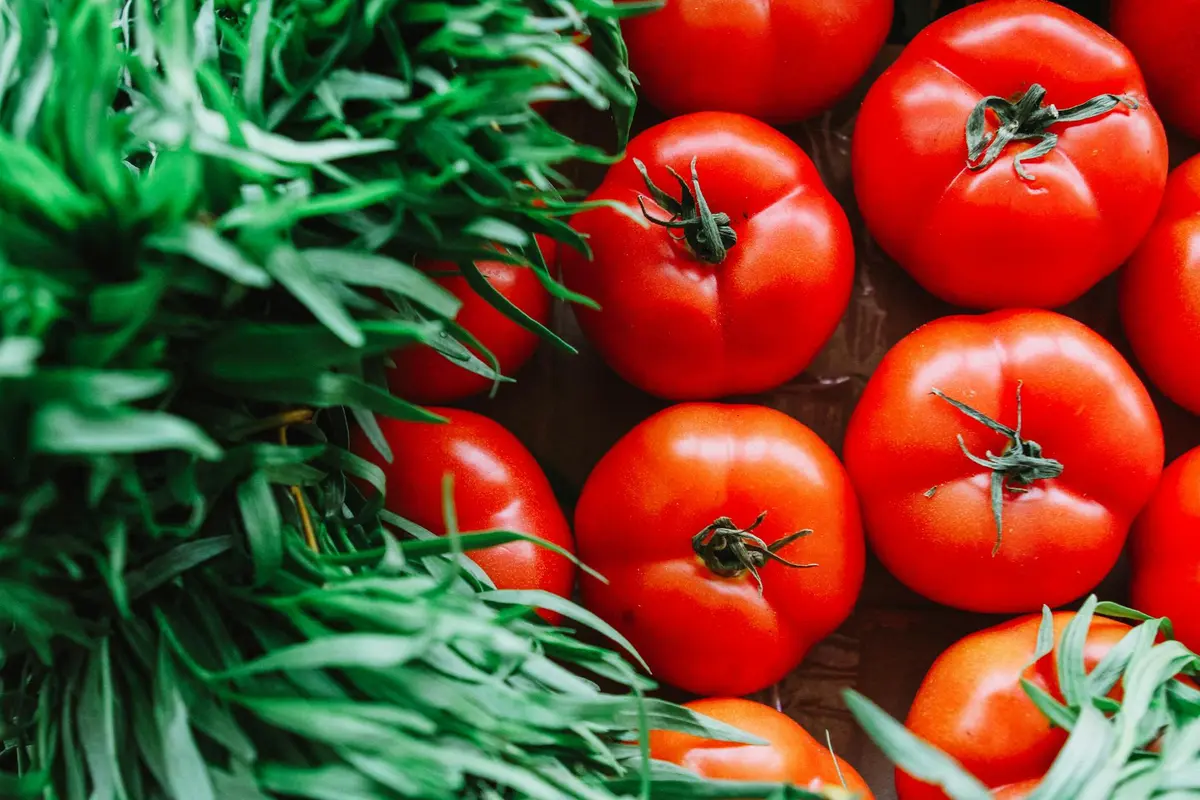
Think of your dragon’s salad bowl like your own dinner plate. You wouldn’t eat the same thing every day, and neither should they. A varied diet is your single best defense against nutritional deficiencies and keeps your pet thriving for years. Curious about daily feeding specifics? A complete feeding guide explains exactly what to feed, how much, and how often to keep your bearded dragon healthy.
The Daily Superstars
These are the greens you can feel great about feeding regularly. I always have at least two of these in my fridge at all times.
- Collard Greens: A fantastic, all-around staple. They are packed with calcium and low in oxalates.
- Mustard Greens: Another excellent choice. My dragons seem to love the slightly peppery flavor.
- Turnip Greens: These are a powerhouse of vitamins A, C, and K, and are another great calcium source.
- Dandelion Greens: Don’t dismiss these weeds! They are incredibly nutrient-dense. Just be 100% sure they are from a pesticide-free source.
- Kale: Once villainized, kale is now considered a good occasional green. I use it as part of my weekly rotation, not an everyday item.
Greens to Use in Moderation
Some otherwise healthy greens contain compounds called oxalates that can bind to calcium and prevent its absorption. Feeding these as occasional treats, not daily staples, is the key to balance.
- Spinach
- Beet Greens
- Swiss Chard
My Personal Rotation Strategy
From my own experience, a simple schedule prevents boredom and ensures nutritional balance. I shop for two primary greens each week. One week it might be collards and mustard greens. The next week, I’ll switch to turnip greens and dandelion. I’ll then toss in a small handful of kale or a single spinach leaf as a “mix-in” once that week. This rotating menu keeps my dragons interested and their nutrient intake well-rounded without any guesswork.
Troubleshooting Salad Feeding Challenges

If your bearded dragon turns up its nose at a beautiful salad, don’t take it personally. It’s a common hurdle for many owners, including me when I first started. If you’re wondering why your bearded dragon won’t eat greens and how to fix it, you’re not alone. Here are a few simple strategies to encourage greens.
Why They Refuse to Eat
There are a few common reasons your dragon might be ignoring their greens.
- Lack of Variety: Imagine being served plain lettuce every single day. You’d get bored, too!
- Poor Presentation: Big, whole leaves can be intimidating. I always chop my greens into bite-sized, manageable pieces.
- They’re Full on Bugs: If you feed insects right before offering salad, they likely just aren’t hungry.
- They’re Simply Picky: Some dragons, especially juveniles, are just more interested in moving prey.
Red Flags for Digestive Issues
Sometimes a food strike is a sign of something more serious. You should contact a reptile vet if you see signs of lethargy, a bloated abdomen, or a complete lack of droppings for more than a few days. These can be symptoms of impaction or other digestive disorders that need professional care.
Solutions for Picky Eaters
Winning over a picky dragon is all about making salad irresistible.
- Use Enticing Toppers: This is my number one trick. I sprinkle a few pieces of grated squash, a blueberry, or a wiggling worm on top of the greens. They go for the treat and often end up eating the greens underneath.
- Offer Salad First: Present the salad in the morning, before you offer any live insects. A hungry dragon is more likely to investigate.
- Add Color and Texture: Dragons are visual creatures. I mix in finely shredded orange butternut squash or yellow bell pepper strips to make the bowl more appealing.
Transitioning to New Diets
When introducing a new green, patience is everything. I start by mixing a very small amount of the new green in with their trusted favorites. Over the course of a week, I gradually increase the proportion of the new item. I’ve found that slowly introducing dandelion greens this way prevented my dragon, Ember, from being suspicious of the new taste and texture. Slow and steady wins the race with dietary changes.
Frequently Asked Questions
What vegetables should I never feed my bearded dragon?
Avoid avocado, rhubarb, and onions as they are toxic and can cause serious health issues or digestive problems.
Is it okay to use human salad dressings on my bearded dragon’s food?
No, human dressings contain oils, salts, and other ingredients that are harmful; only use light dustings of reptile-safe calcium or multivitamin powders.
How can I keep my bearded dragon’s salad diet varied and interesting?
Rotate between 2-3 staple greens like collard or mustard greens weekly and add colorful, safe toppers such as bell peppers or herbs to stimulate appetite.
Final Thoughts
So, can your bearded dragon eat spring mix? The short answer is yes, but think of it as a base, not the entire meal. I always use it as a starting point in my own dragons’ bowls, mixing in more nutritious greens and colorful veggies to create a truly complete salad. In a bearded dragon’s vegetables complete feeding guide, this base forms the foundation of a balanced veggie rotation. I’ll outline exactly which greens and veggies to include and how often to feed them.
Building that perfect salad is your key to a thriving dragon. Focus on variety, proper preparation, and always dust with a high-quality calcium powder. Your careful effort at mealtime translates directly into their long-term health and happiness.
Further Reading & Sources
- Bearded dragon spring mix | carlosliagroupanin1973’s Ownd
- r/BeardedDragons on Reddit: Spring mix for beardies
- Is spring mix good for bearded dragons
Bearded Dragon Lair is the ultimate resource for bearded dragon enthusiasts, offering expert advice and practical tips to ensure the health and happiness of your scaly companion. With years of experience in reptile care, we are dedicated to providing accurate, up-to-date information to support your bearded dragon journey.
Feeding Guidelines