
Can Bearded Dragons Eat Parsley? A Safe Greens Guide
Published on: January 5, 2026 | Last Updated: January 5, 2026
Written By: Beardie Joe
If you’re holding a sprig of fresh parsley and wondering if it’s safe for your scaly friend, you’ve come to the right place.
As a longtime bearded dragon owner with multiple happy, healthy dragons, I’ve tested countless greens and understand exactly what works in their diet.
We’ll explore whether all parsley varieties are safe, how often to serve it, and better leafy alternatives for a balanced diet.
Is Parsley Safe for Bearded Dragons?
Yes, parsley is safe for your bearded dragon to eat, but it comes with a very important condition. I feed it to my own dragons, but I treat it as a special garnish, not a staple green. The key is to offer parsley infrequently and in very small amounts due to its high oxalate content. Oxalates, or oxalic acid, can bind to calcium in your dragon’s body and prevent it from being absorbed. On a complete greens list for bearded dragons, parsley is listed as safe only in small amounts and not as a staple. Always consult the full safe/unsafe greens list to diversify and avoid high-oxalate greens.
Think of it like a magnet grabbing the calcium and carrying it out of their system unused. For a reptile that needs ample calcium to prevent Metabolic Bone Disease (MBD), this is a significant concern. Regularly feeding high-oxalate greens like parsley can lead to serious calcium deficiency over time, even if you’re dusting their other food with calcium powder. I keep it to a tiny sprinkle mixed into a larger salad no more than once every couple of weeks.
Nutritional Breakdown of Parsley for Reptile Diets
Let’s look at what’s actually inside that sprig of parsley. On paper, the nutritional profile seems fantastic, which is why it can be confusing for owners.
- Vitamin A: Excellent for vision, growth, and immune function.
- Vitamin K: Crucial for proper blood clotting.
- Vitamin C: A powerful antioxidant.
- Calcium: It does contain a decent amount, which is the confusing part!
- Fiber: Good for digestive health.
The problem isn’t what it contains, but how those components interact. Despite its calcium content, the high level of oxalates makes that calcium largely unavailable to your pet. This creates a nutritional paradox where a food that seems rich in calcium can actually contribute to a deficiency. So, how much calcium do bearded dragons need? Too much calcium supplementation can cause imbalances and health problems, so moderation is essential.
Here is a simple comparison to put it in perspective:
| Nutrient/Factor | Why It Matters | The Reality for Bearded Dragons |
|---|---|---|
| Calcium | Builds strong bones and supports nerve function. | High oxalate content blocks its absorption. |
| Phosphorus | Needed for energy, but must be balanced with calcium. | Has a decent Ca:P ratio, but the oxalates negate this benefit. |
| Goitrogens | Can interfere with thyroid function. | Parsley contains mild goitrogens, another reason for limited feeding. |
From my experience, the best way to use parsley is as a flavor enhancer. A few finely chopped leaves can entice a picky eater to dive into their bowl of more suitable greens like collard or dandelion. It adds a strong aroma and a bit of variety without posing a risk when used so sparingly.
Comparing Parsley Varieties: Curly, Italian, and Flat-Leaf

Not all parsley is created equal in a bearded dragon’s bowl. The type you pick can influence both nutrition and how likely your dragon is to eat it. I’ve offered all three to my crew over the years, and they definitely have opinions. To tie this into a complete feeding guide, think about how greens fit into your dragon’s daily menu. A full bearded dragon vegetables feeding guide covers safe greens, portion sizes, and how often to rotate them with other foods.
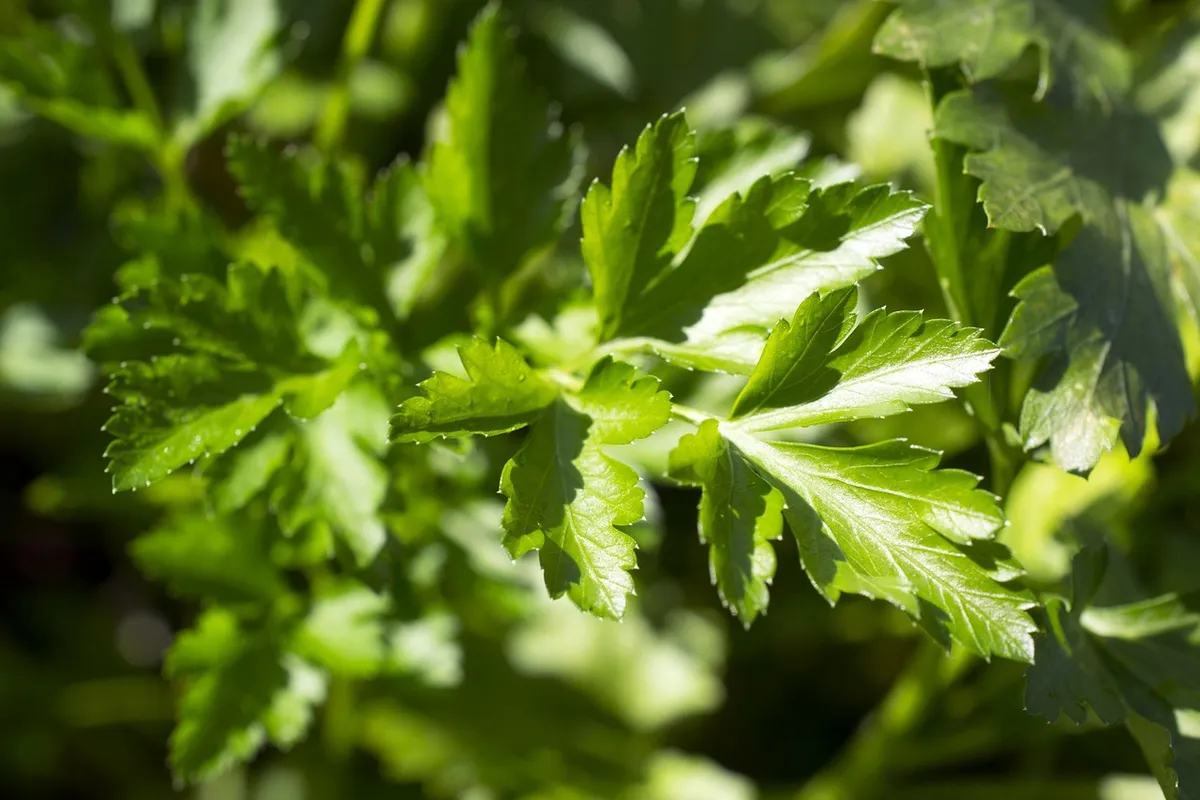
Curly parsley is the frilly, decorative type you often see as a garnish.
- It has a milder, slightly bitter flavor that some dragons are suspicious of.
- The crinkly texture can sometimes be a bit tougher for them to chew.
- From a nutritional standpoint, it’s still a good source of vitamins, but it often has slightly lower nutrient levels than its flat-leaf cousin.
Italian, or flat-leaf, parsley is the one with smooth, flat leaves.
- It has a much more robust and aromatic flavor that many of my dragons seem to prefer.
- The leaves are generally more tender and easier for them to bite and digest.
- It typically packs a more concentrated vitamin and mineral punch, including higher levels of Vitamin C and K.
My personal go-to is Italian parsley because of its superior nutrient profile and the fact that my bearded dragons consistently go for it first. But if curly is all you have, it’s perfectly acceptable to use.
Feeding Guidelines: How and When to Offer Parsley
Knowing you *can* feed parsley is one thing; knowing *how* to do it safely is what separates good care from great care. It’s all about treating it as a complement to their diet, not the main event.
Portion Control and Serving Frequency
Parsley should never be the base of your dragon’s salad. Think of it as a nutrient booster or a flavor enhancer mixed in with their primary greens.
- Chop it finely to make it easy to eat and to prevent any large, tough stems from causing issues.
- Mix a small pinch of the chopped parsley thoroughly into a larger base of staple greens like collard, mustard, or dandelion greens.
- The parsley should make up no more than about 10-15% of the total green portion of any single meal.
For frequency, I treat parsley as an “occasional” green, offering it no more than once every week or two. This rotation is key to providing dietary variety without overloading their system with any one compound found in the herb.
Always, always wash the parsley thoroughly under cool running water to remove any potential pesticides or contaminants. I like to pat it dry with a paper towel before chopping to make sure it mixes well and doesn’t wilt the other greens.
Understanding the Risks: Oxalates and Digestive Health
The primary concern with feeding parsley, and the reason for such strict portion control, comes down to a natural compound called oxalic acid, or oxalates.
Oxalates are found in many plants, and in small amounts, a healthy dragon’s system can handle them. Spinach is a common high-oxalate leafy green, a frequent concern for bearded dragons. It can contribute to the calcium oxalate problem explained here by binding calcium in the digestive tract.
- When consumed, oxalates bind to calcium in your dragon’s digestive tract.
- This creates calcium oxalate, which is unusable by their body and is excreted.
- Feeding high-oxalate foods too frequently can therefore rob your pet of vital calcium, leading to a deficiency.
Consistently high oxalate intake is a direct fast track to Metabolic Bone Disease (MBD), a serious and painful condition for reptiles. This is why we prioritize low-oxalate greens like collards and escarole as daily staples.
Beyond oxalates, introducing any new food, including parsley, too quickly or in too large a quantity can upset your dragon’s sensitive digestive system. I’ve seen it cause loose stools or a temporary lack of appetite in one of my more sensitive dragons. Always start with a tiny amount to see how your individual dragon reacts before making it a regular part of your rotation.
Healthy Alternatives to Parsley in a Beardie Diet
While parsley can be an occasional tiny treat, I rely on a core group of staple greens for my dragons’ daily meals. These alternatives are not just safe; they are packed with the vital calcium and nutrients beardies need to truly thrive. I rotate through these to keep meals interesting and nutritionally balanced. For the best food for bearded dragons, I stick to safe staples and use small, occasional treats to keep variety without upsetting calcium balance.
My Go-To Staple Greens
These are the workhorses of my dragons’ diet. I use these almost every single day.
- Collard Greens: A superstar in my kitchen. They are consistently low in oxalates and have a fantastic calcium-to-phosphorus ratio.
- Dandelion Greens: Don’t just pick these from your yard unless you’re sure it’s pesticide-free! I buy them from the store. They’re a fantastic, nutrient-dense option my dragons love.
- Mustard Greens: Another excellent, low-oxalate choice that adds great variety to the salad bowl.
- Endive / Escarole: These are slightly bitter greens that my dragons go crazy for. They are hydrating and very healthy.
- Turnip Greens: A wonderful, robust green that holds up well in the fridge, making it a reliable staple.
Nutritious “Sometimes” Greens
I mix these in a couple of times a week for variety. They are healthy but shouldn’t be the only green you offer.
- Arugula: A peppery green that can stimulate a picky eater’s appetite.
- Bok Choy: I use this sparingly as it does contain goitrogens, which can affect thyroid function in very large amounts.
- Kale: Despite the old myths, kale is not toxic. I use it as part of a varied diet, not as a sole staple.
Safe, Hydrating Veggies to Add
I chop these up and mix them with the greens for extra flavor, color, and moisture.
- Butternut Squash (grated)
- Yellow Squash (sliced)
- Bell Peppers (all colors, diced)
- Zucchini
Preparing Parsley and Recognizing Adverse Reactions

If you do decide to offer a tiny bit of parsley, how you prepare it is crucial for safety. Proper washing and preparation are your first line of defense against pesticides and digestive issues. I treat any new food, including parsley, with an abundance of caution.
How to Safely Prepare a Parsley Sprig
- Source Carefully: I always try to buy organic parsley to minimize pesticide exposure. If conventional is all you have, washing is even more critical.
- Wash Thoroughly: Rinse the sprig under cool, running water. I gently rub the leaves and stems with my fingers to dislodge any dirt or residues.
- Chop Finely: Remove the tough, woody stems. Finely chop the leaves to prevent choking and to make it easier to digest. For a young or small dragon, I chop it even finer.
- Mix Generously: Never offer a pile of parsley alone. I mix one or two tiny pinches of the chopped parsley into a large base of their staple greens, like collards or dandelion.
Signs Your Bearded Dragon Might Be Having a Bad Reaction
After offering any new food, including parsley, keep a close eye on your pet for the next 24-48 hours. Knowing the subtle signs of discomfort can help you act quickly and prevent a minor issue from becoming a major one. In my own colony, I watch for these red flags.
- Lethargy or Unusual Lack of Movement: If your normally active dragon becomes sluggish and doesn’t want to bask.
- Loss of Appetite: Refusing their next meal or their favorite insects.
- Swelling Around the Jaw or Throat: This can be a sign of metabolic bone disease exacerbated by oxalates, not a direct allergy, but it’s a serious symptom.
- Diarrhea or Unusually Watery Stool: A clear sign their digestive system is upset.
- Signs of Dehydration: Sunken eyes, loose skin, or lack of elasticity in the skin.
If you notice any of these symptoms, immediately remove parsley and any other new foods from their diet and offer plenty of fresh water. If symptoms are severe or persist for more than a day, a call to your reptile-savvy vet is the best course of action for your dragon’s wellbeing. If your bearded dragon isn’t eating, identifying potential causes—like stress, temperature, or illness—can point you toward practical solutions. Taking steps to optimize hydration, feeding schedule, and habitat conditions can help restore appetite.
Frequently Asked Questions
Can Bearded Dragons Eat Parsley Everyday?
No, bearded dragons should not eat parsley every day. Due to its high oxalate content, which can block calcium absorption, it should only be offered as an occasional treat, no more than once every week or two. On the topic of how often to feed adult bearded dragons, they are typically fed once a day. You can adjust the frequency based on appetite and body condition.
Which Parsley Variety is Best for Bearded Dragons?
Italian (flat-leaf) parsley is generally the better choice over curly parsley. It is more tender, has a stronger aroma that dragons often prefer, and typically has a slightly more concentrated nutrient profile.
Do Bearded Dragons Like Parsley?
Many bearded dragons do enjoy the strong flavor of parsley, which is why it can be used as an effective “flavor enhancer” to encourage picky eaters to consume their primary, healthier staple greens. This aligns with our ultimate safe fruits and vegetables list for bearded dragons, which outlines safe greens and herbs for regular feeding. Parsley should still be offered in moderation and balanced with other safe items from the list.
The Final Scoop on Parsley
While a tiny, infrequent piece of curly or Italian parsley won’t spell disaster, it’s not a green I regularly offer my own dragons. Its high oxalates bind to calcium, making it a poor nutritional choice for a species that needs all the calcium it can get. It’s simply not worth the potential risk when so many better options exist—like those recommended for bearded dragons.
For a truly thriving beardie, stick to proven staples like collard, mustard, and dandelion greens. In this collard and mustard greens guide, you’ll learn which greens are safe to eat and how to serve them. These safe greens support balanced nutrition, helping you feed with confidence. Your dragon will get the vital nutrients they need without the hidden drawbacks, ensuring they live a long and healthy life by your side.
Further Reading & Sources
- Can Bearded Dragons Eat Parsley? What Every Owner Should Know
- Can Bearded Dragons Eat Parsley? » Reptile Nutrition Profile
- What Herbs Can Bearded Dragons Eat? – Dragon’s Diet
Bearded Dragon Lair is the ultimate resource for bearded dragon enthusiasts, offering expert advice and practical tips to ensure the health and happiness of your scaly companion. With years of experience in reptile care, we are dedicated to providing accurate, up-to-date information to support your bearded dragon journey.
Insects vs. Vegetables