How Long Does It Take a Bearded Dragon to Shed? (And What to Expect)
Published on: February 20, 2026 | Last Updated: February 20, 2026
Written By: Beardie Joe
If your bearded dragon is starting to look a little dusty or pale, you’re likely witnessing the beginning of a shed, a totally normal but sometimes puzzling process for new owners.
Having raised several bearded dragons myself, I know how worrying this phase can be, and I’m here to guide you through it with clear, compassionate advice to keep your pet comfortable.
We’ll explore the complete shedding timeline, break down the stages you’ll see, and I’ll share my personal tips for supporting your dragon through it all.
What Is Bearded Dragon Shedding?
Bearded dragon shedding, or ecdysis, is the completely natural process where your reptile sheds its old skin to make room for new growth. Think of it like a child outgrowing their clothes. As your dragon grows bigger and stronger, its current skin simply doesn’t fit anymore. Proper care during this period is crucial.
The body forms a new layer of skin underneath the old one. A fluid builds up between these two layers to help separate them. This process is a sign of good health and means your pet is growing exactly as it should. I’ve watched my own dragons do this countless times, and it never ceases to amaze me.
Average Shedding Time and Duration
How long the entire shedding process takes depends almost entirely on your dragon’s age and growth rate. Their metabolism is the engine driving this entire operation. Growth rate also links to how quickly your bearded dragon matures and how fast it can move. In this guide, we explain what fast growth looks like, how growth rate affects speed, and what that means for your dragon’s development.
Younger dragons are growing at an incredible pace, so they shed much more frequently and often in patches. Adults, having reached their full size, shed less often and the process can take longer as their skin is tougher and covers a larger area. Bearded dragons change color for reasons tied to stress, temperature, and age. These color shifts often accompany shedding and can signal their mood and overall health as they grow.
| Life Stage | Frequency | Typical Duration |
|---|---|---|
| Baby (0-6 months) | Every 1-2 weeks | 2-3 days for a patchy shed |
| Juvenile (6-18 months) | Every 4-6 weeks | 1-2 weeks for a more complete shed |
| Adult (18+ months) | Every few months | 2-3 weeks for a full-body shed |
Watching the timeline from my youngest to my oldest dragon really puts their different growth speeds into perspective. A baby can look a little cloudy one day and be done in a flash, while my big guy, Thor, takes his sweet time, often shedding one leg this week and his back the next.
The Shedding Process: Stages and What to Expect
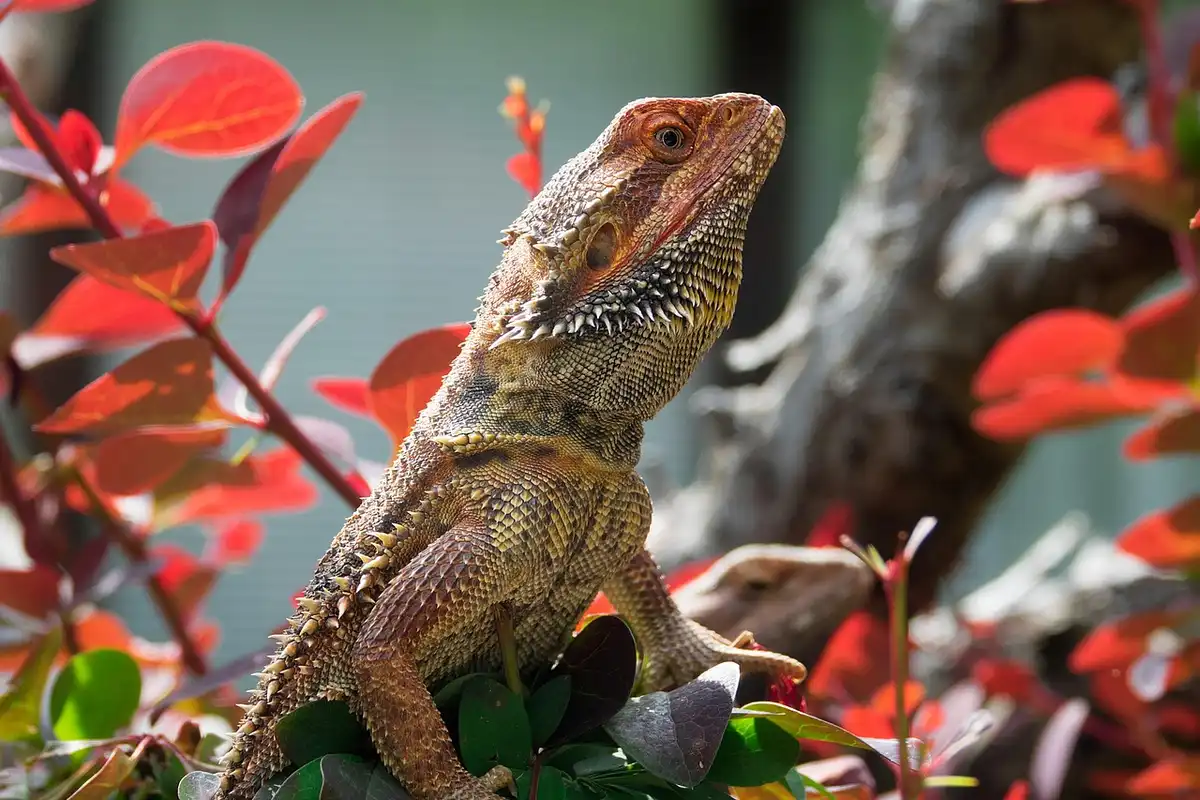
Watching a bearded dragon shed is like watching a slow, deliberate magic trick. The process, known as ecdysis, unfolds in distinct stages. Knowing what to look for at each phase helps you provide the right support and stops you from worrying unnecessarily, especially when trying to determine if your bearded dragon is stressed.
Initial Shedding Stage
This is the quiet before the storm. Your dragon isn’t visibly shedding yet, but their body is preparing. The first thing I always notice is a change in color. Their normally vibrant scales turn a dull, grayish, or even milky white. This is most obvious on their belly and head.
You might also see their eyes looking a bit puffy, cloudy, or blue. Don’t panic! This is completely normal. The skin over their eyes is loosening, which temporarily gives them a glazed-over look and can make their vision a little blurry. This often leads to the other big sign: a reduced appetite. My beardie, Puff, would always turn his nose up at his favorite roaches for a day or two right before a big shed.
Active Shedding Stage
This is the main event, where the old skin starts to visibly peel away. Your dragon will become a rubbing machine. You’ll see them scraping their head and body against every rock, branch, and decoration in their tank. They are trying to catch the loose skin on something to help pull it off.
The skin doesn’t come off in one big piece like a sock. It typically peels in patches, starting from the head and limbs and moving down the body and tail. You might see large, papery flakes hanging off them. It can look a little messy, but it’s a good sign of progress.
Shedding by Body Part
- Head & Beard: Often the first to go. They’ll rub their face vigorously on surfaces. The skin around their lips and eyes usually comes off in tiny pieces.
- Limbs: The skin on their legs and feet can be tricky. You might see it come off like little leggings or gloves.
- Tail & Body: These larger areas often shed in big, satisfying sheets. The tail is usually the last part to complete its shed.
Completion Stage
This is the grand finale. The old skin is gone, revealing the stunning, bright new scales underneath. The transformation is incredible. Their colors will look more vibrant than ever. You’ll know the shed is fully complete when there are no more patches of dull, gray, or loose skin anywhere on their body.
Pay special attention to the toes, tail tip, and spikes around their head. These are common spots for tiny pieces of stuck shed. Once the shed is done, their appetite will come roaring back, and they’ll be their active, alert selves again.
Key Signs Your Beardie Is Shedding
It’s not always obvious, especially to a new owner. Here’s a quick, scannable list of the most common signs that a shed is underway. Recognizing these behaviors helps you understand that your dragon is going through a natural process, not acting strangely.
- Dull, Gray, or Whitish Skin: The most tell-tale visual sign. Their vibrant pattern seems to fade.
- Cloudy, Blue, or Puffy Eyes: Looks alarming but is perfectly normal during the initial phase.
- Intense Rubbing and Scratching: They will use any object in their enclosure to help scrape off the loose skin.
- Loss of Appetite: A very common reaction, especially when their eyes are cloudy and vision is impaired.
- Increased Hiding or Lethargy: Feeling vulnerable, they may spend more time in their hide. They are conserving energy for the taxing process of shedding.
- Irritability or Puffing Up: They might puff out their beard (a “stress beard”) if you try to handle them. They feel uncomfortable and just want to be left alone.
Normal vs. Concerning Behaviors
Most shedding behaviors are normal. However, you should keep a close eye on a few things. It’s normal for them to be grumpy and not eat for a few days; it’s concerning if they stop eating for over a week or show signs of rapid weight loss.
A little rubbing is expected, but frantic, constant scratching could indicate mites or another skin issue. The biggest red flag is stuck shed, particularly on the toes, tail tip, or eyes, as this can cut off circulation and lead to serious injury if not addressed.
Factors That Affect How Long Shedding Takes
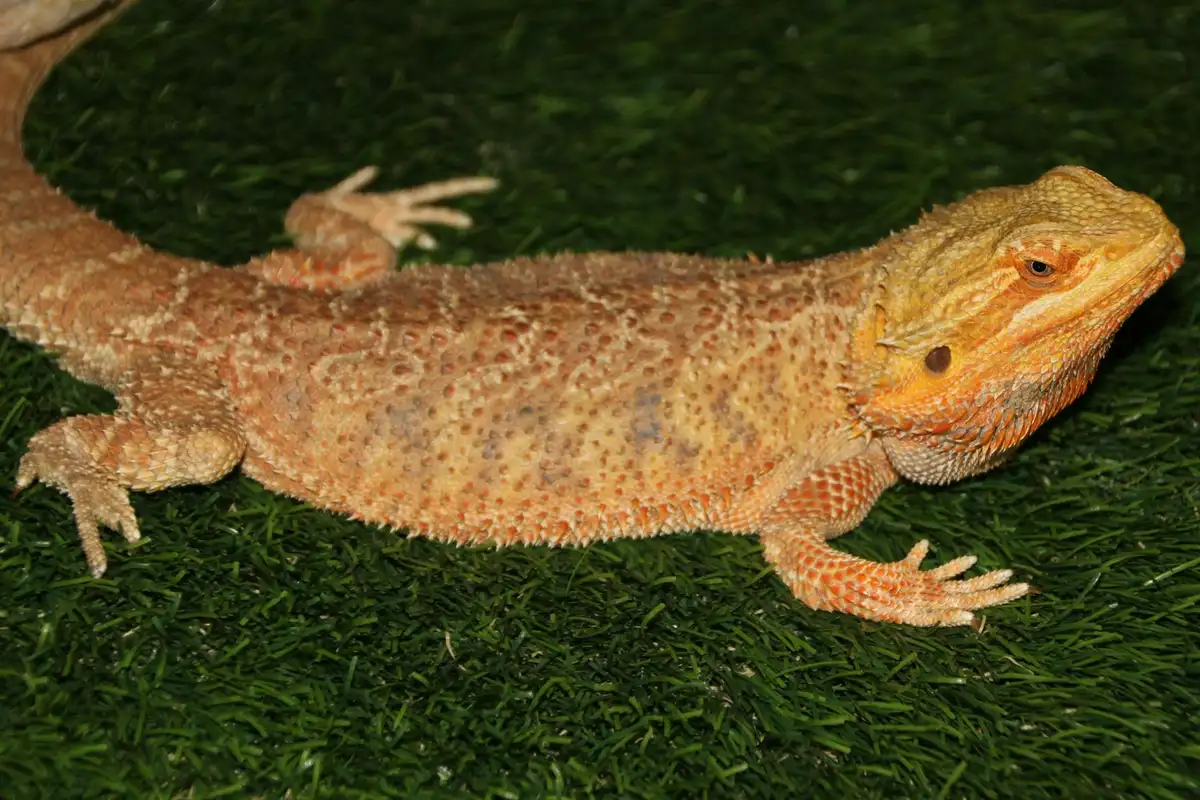
Not every shed is the same. From my own experience watching my dragons grow from tiny juveniles to impressive adults, I’ve seen how much these factors can change the timeline. A full-body shed for a baby can be a weekly event, while my big adult male might take a month to fully clear up a patchy shed. And that ties into the bigger question: how long does it take for a bearded dragon to grow from hatchling to adult? Growth is gradual and influenced by shedding, nutrition, and environment, so the timelines can vary just as they do with sheds.
- Age: This is the biggest factor. Baby and juvenile bearded dragons shed the most frequently and often in large, quick patches because they are growing at an incredible rate. Adults shed less often, and it can be a slower, more partial process.
- Diet and Nutrition: A well-fed dragon has the energy and building blocks for a healthy new layer of skin. I always make sure my dragons have a good variety of gut-loaded insects and fresh greens. A poor diet can lead to difficult, prolonged sheds.
- Humidity: The ambient humidity in the enclosure is like the air’s moisture content. If it’s too low, the old skin becomes brittle and sticks. Aim for a range of 30-40% humidity to help the skin separate naturally. I keep a simple digital hygrometer in each tank to monitor this.
- Heat from Basking Lamp: The basking spot is your dragon’s personal engine. Proper heat helps their metabolism work efficiently, which is vital for the shedding process. Without a hot enough basking area, their entire system, including shedding, can slow down.
- Overall Health: A stressed, sick, or dehydrated dragon will struggle to shed properly. Underlying health issues can cause sheds to drag on or become incomplete, which is a sign you should consult a reptile vet.
To optimize your enclosure, focus on the heat and humidity gradients. Provide a basking area that reaches the proper temperature for your dragon’s age and a cool end to allow for thermoregulation. A shallow water dish adds to ambient humidity and gives them a drinking option.
How to Help Your Bearded Dragon Shed Safely
Seeing your dragon look uncomfortable is tough. I’ve learned that our help should be supportive, not forceful. The golden rule is to never, ever pull the skin off. You can severely damage the delicate new skin underneath. If you’re new to bearded dragons, a beginner’s care guide can help. The take care bearded dragon complete beginners guide offers simple, practical steps for safe handling and basic care.
- Boost Hydration: This is your first and most important step. I offer warm baths in a shallow tub for 15-20 minutes. The water should only come up to their shoulders. This often loosens the skin dramatically without you having to touch it. You can also gently mist them with warm water.
- Create a Humid Hide: I like to add a small hide box filled with slightly damp sphagnum moss or paper towels during a shed. This gives them a private, humid microclimate to hang out in, which softens stubborn skin, especially on their toes and tail.
- Ensure Proper Enclosure Conditions: Double-check that your basking lamp is providing the right surface temperature and that your UVB bulb is still in its effective date range. Proper husbandry fixes most shedding issues before they start.
- Practice Gentle Handling: Your dragon might be itchy and grumpy. Limit handling to essential tasks like bath time. When you do handle them, be extra gentle as their skin is very sensitive.
You must know when to avoid helping. If the skin is still tightly attached and not ready to come off, your “help” is just stressful poking. Let the baths and humidity do the work. If you see stuck shed constricting toes, the tail tip, or around the eyes after the rest has come off, that’s when more focused action or a vet visit is needed.
Dealing with Problem Sheds: Stuck Skin and Solutions
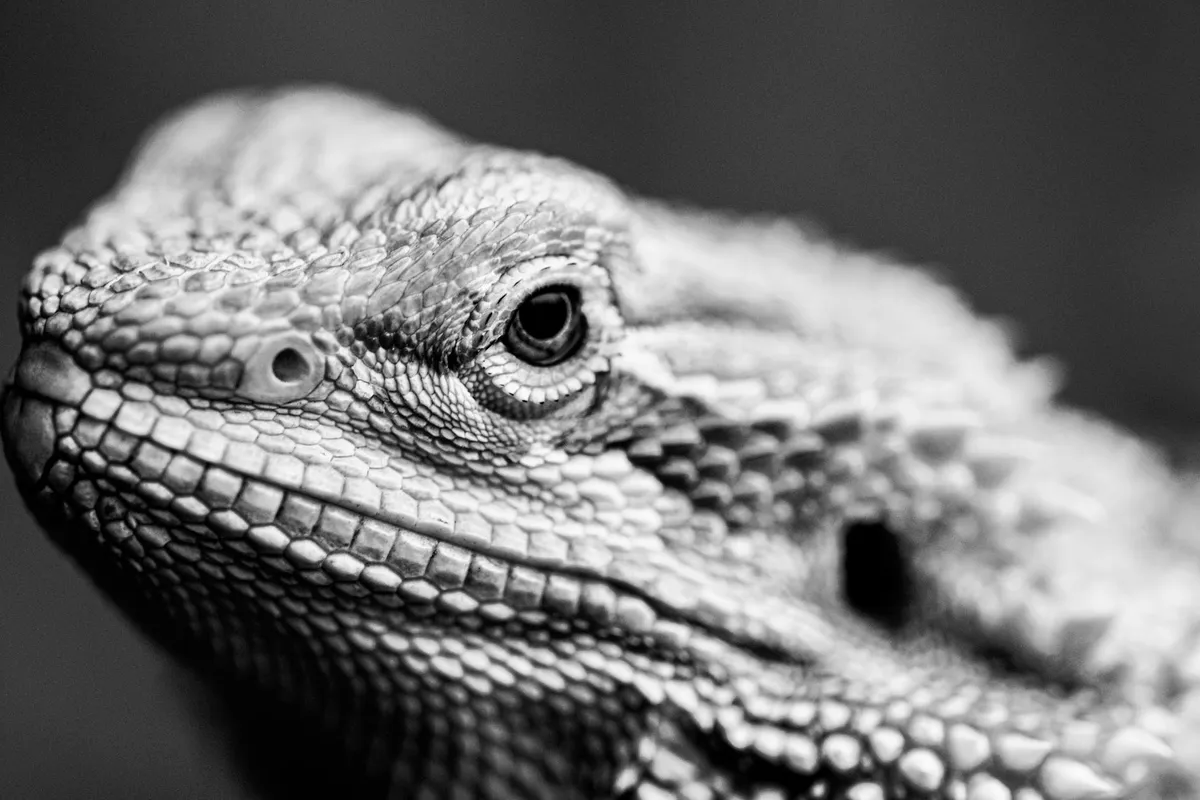
Sometimes, the shedding process doesn’t go smoothly. A patch of old skin, often looking dry, tight, and discolored, just won’t budge. We call this a “stuck shed” or dysecdysis. Retained shed isn’t just a cosmetic issue; it can act like a tourniquet, cutting off circulation to toes, tail tips, and even delicate spikes. I’ve seen firsthand how quickly a constricted toe can become a serious problem if left untreated.
How to Help with Stuck Shed
If you notice stuck skin, don’t panic. Your first instinct might be to pull it off, but you must resist. Pulling or peeling the skin yourself can tear their new, fragile skin underneath and cause serious injury and pain. Instead, follow these gentle steps to help them out.
- Increase Bathing Frequency: Give your dragon a warm (not hot) bath for 15-20 minutes. The water should only be as deep as their shoulders. This helps to hydrate and soften the stubborn skin.
- Gentle Encouragement: After the bath, you can try to very gently rub the area with a soft-bristled toothbrush or a wet cotton swab. Let the moisture do the work; if the skin doesn’t come off with light pressure, it’s not ready.
- Create a Humid Hide: Place a small box filled with damp sphagnum moss or paper towels in their enclosure. This gives them a humid microclimate to retreat to, which can loosen tough patches of skin naturally.
Special Care for Delicate Areas
Some areas need extra caution. Stuck shed on the eyes can prevent them from opening properly, and on the toes it can lead to loss of the digit.
- For the Eyes: Never try to peel shed from their eyes. I simply use a soaked cotton ball to gently dab and moisten the area during their bath. The goal is to let it fall off on its own once it’s soft enough.
- For the Toes and Tail Tip: These are the highest-risk areas. Pay close attention here after baths. If you see a ring of old skin looking like a tiny hairband on a toe, focus your gentle rubbing there. Losing a toe is a preventable tragedy that starts with one piece of stuck shed.
When It’s Time to Call the Vet
While most minor stuck shed can be handled at home, some situations require professional help. You should seek immediate veterinary care if the stuck shed has caused any visible swelling, discoloration (like a dark purple or black toe), or if there is any bleeding. If the retained shed covers a large area of the body or is around the eyes and hasn’t improved after several days of home care, your vet can assist safely. They have the right tools and expertise to handle severe cases without causing harm.
Frequently Asked Questions
Why does my bearded dragon stop eating when shedding?
It’s common for bearded dragons to lose their appetite during shedding because their vision becomes temporarily impaired due to cloudy eyes, making it hard to see and hunt food. Some bearded dragons may nibble at or ingest the shed skin, while others simply lose interest in food during the molt. This appetite change during shedding is a normal part of the shedding process, and their appetite should return once the shed is complete.
Is the tail typically the last part to shed, and why?
Yes, the tail is often the final area to shed because it’s a larger, more complex body part with thicker skin. Providing proper humidity and warm baths can help ensure it sheds smoothly without issues.
Are there helpful videos to understand the shedding process?
Yes, you can find informative bearded dragon shedding videos on reputable reptile care channels or websites, which visually demonstrate the stages and offer tips to support your pet through the process. These resources often include a shed guide for baby, juvenile, and adult dragons, helping you know what to expect at each life stage. It’s helpful to learn how shedding routines differ by age and how to support healthy sheds.
Final Thoughts
Watching your bearded dragon shed is a fascinating part of reptile ownership, and the timeline can vary from a couple of days to over two weeks. The entire process is driven by their individual growth and health, so patience is your greatest tool. Just remember the key signs: dull skin, faded color, and a grumpy dragon who wants to be left alone. You can learn how to assist your bearded dragon during the shedding process and what to do if the shed gets stuck.
Your main job is to provide a perfect habitat with proper humidity and surfaces for rubbing. The single most important rule is to never, ever pull at the loose skin, as this can seriously injure the delicate new scales underneath. During shedding, you can help your dragon shed its skin safely by maintaining proper humidity and providing textured surfaces to rub against. Avoid forcing the peel—let the old skin come off naturally with patience. Trust that your dragon knows what to do, and simply be there to offer support and a watchful eye until they emerge looking bright and brand new.
Further Reading & Sources
- The Complete Guide To Bearded Dragon Shedding
- Bearded Dragon shedding – ExoticDirect
- Bearded Dragon Shedding 101 – Dragon’s Diet
Bearded Dragon Lair is the ultimate resource for bearded dragon enthusiasts, offering expert advice and practical tips to ensure the health and happiness of your scaly companion. With years of experience in reptile care, we are dedicated to providing accurate, up-to-date information to support your bearded dragon journey.
Hatchling Care